
Listen to this Post
Introduction
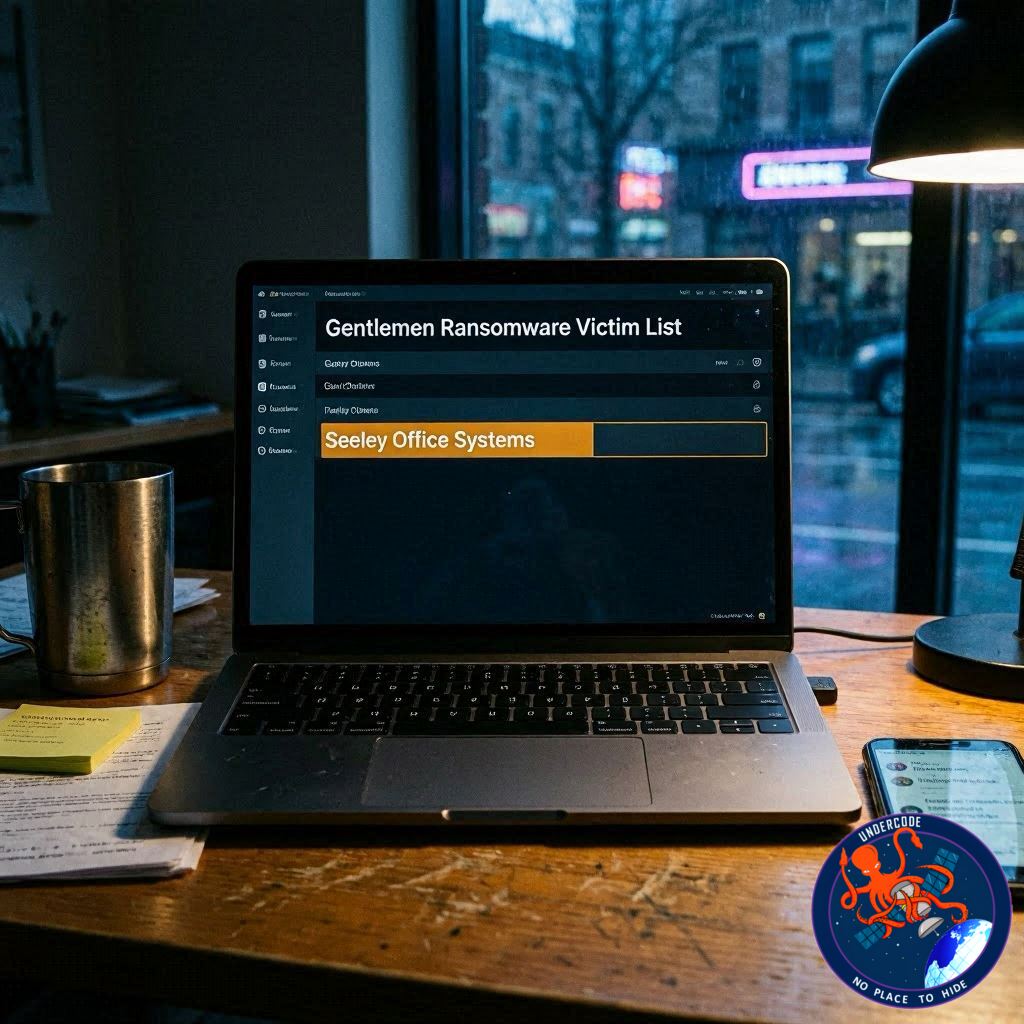
The ransomware ecosystem continues to evolve at an alarming pace, with cybercriminal groups increasingly targeting businesses of all sizes across multiple sectors. In a fresh dark web-related development, the ransomware group known as “TheGentlemen” allegedly added Seeley Office Systems to its growing victim list, according to monitoring activity published by the ThreatMon Threat Intelligence Team on May 24, 2026.
The report surfaced through social media monitoring tied to dark web ransomware leak sites, where threat actors frequently publish victim names as part of extortion campaigns. While no official confirmation from Seeley Office Systems has yet emerged publicly, the appearance of the company’s name in ransomware-related intelligence feeds raises concerns about potential data exposure, operational disruption, and reputational damage.
Cybersecurity researchers have increasingly warned that ransomware gangs are no longer focused solely on encrypting systems. Modern attacks now involve double extortion strategies, where attackers steal sensitive corporate data before encryption and threaten public leaks if ransom demands are ignored. The alleged targeting of Seeley Office Systems appears to fit into this broader and rapidly escalating trend.
ThreatMon Reports New Ransomware Activity
ThreatMon’s intelligence feed identified the ransomware actor “TheGentlemen” as the group allegedly responsible for adding Seeley Office Systems to its victim portal. The activity was timestamped on May 24, 2026, at approximately 12:02 UTC+3.
Threat intelligence platforms such as ThreatMon routinely monitor underground ransomware leak sites, command-and-control infrastructure, and dark web forums to identify emerging cyber threats. Their alerts often serve as early indicators for cybersecurity professionals, journalists, and incident response teams.
The social media post quickly drew attention within the cybersecurity community because ransomware victim disclosures frequently precede larger data leak announcements. In many previous incidents, organizations initially remained silent before confirming breaches days or even weeks later.
TheGentlemen Ransomware Group Continues Expanding Operations
The ransomware group known as “TheGentlemen” has remained relatively obscure compared to larger operations like LockBit or BlackCat, yet smaller ransomware collectives have increasingly become major threats due to their unpredictability and aggressive tactics.
Groups operating under lesser-known brands often rely on affiliate-based attack models. In these operations, independent cybercriminals gain access to company networks through phishing emails, credential theft, VPN vulnerabilities, or exposed remote desktop services. Once access is secured, ransomware payloads are deployed across systems while sensitive information is exfiltrated in parallel.
The emergence of newer ransomware brands also reflects the fragmented nature of the modern cybercrime economy. When law enforcement pressure disrupts one group, operators frequently rebrand under new names and continue operations using similar infrastructure and tactics.
Seeley Office Systems Potentially Faces Serious Risks
If the claims are accurate, Seeley Office Systems could face several immediate cybersecurity and business risks. These include possible operational downtime, exposure of internal corporate files, customer data compromise, and financial losses associated with remediation efforts.
Ransomware incidents can become especially damaging for office systems and technology service providers because they often store client records, network configurations, procurement documents, and sensitive communications. Attackers understand that organizations handling business infrastructure are more likely to pay to avoid service interruptions and public embarrassment.
Beyond technical disruption, companies targeted by ransomware frequently suffer reputational fallout. Customers and partners may question cybersecurity preparedness, especially if sensitive information later appears on public leak forums.
Dark Web Leak Portals Are Becoming Psychological Weapons
Modern ransomware groups increasingly weaponize publicity. Leak portals hosted on hidden services are no longer simply data repositories — they are psychological pressure tools designed to force victims into negotiations.
By publicly naming organizations before releasing files, ransomware gangs create panic among employees, customers, suppliers, and investors. This strategy amplifies pressure on executives while generating media attention that benefits attackers seeking notoriety.
In many cases, threat actors intentionally leak small file samples first to prove compromise claims. If negotiations fail, larger datasets are gradually published online or sold to other criminal actors.
Another Victim Mentioned Alongside the Incident
The same monitoring feed also referenced another ransomware-related incident allegedly involving the “Stormous” ransomware group and Australian entity VSP Solutions. The post claimed a “FULL DATA DUMP” had been added to the group’s leak infrastructure.
This parallel disclosure highlights how ransomware activity remains highly active globally, with multiple groups operating simultaneously across different regions and industries. Threat intelligence analysts now track hundreds of ransomware-related leak announcements every month.
The growing volume of incidents demonstrates how cyber extortion has become industrialized. Some groups even operate customer support channels for ransom negotiations, affiliate recruitment systems, and profit-sharing programs resembling legitimate businesses.
What Undercode Says:
The Real Story Is Bigger Than One Company
The alleged attack against Seeley Office Systems is not an isolated cybersecurity event. It reflects a much larger transformation happening across the ransomware landscape in 2026. Cybercriminal groups are becoming faster, more decentralized, and increasingly media-savvy.
What stands out most in this incident is the operational behavior of modern ransomware actors. Groups no longer wait silently after breaching networks. Instead, they rapidly publicize victims to maximize pressure and force immediate responses. Public exposure itself has become part of the ransom strategy.
Smaller Ransomware Groups Are Becoming More Dangerous
One major misconception in cybersecurity is that only famous ransomware gangs matter. In reality, smaller operations like “TheGentlemen” can be equally dangerous because they often avoid heavy law enforcement scrutiny while experimenting with aggressive tactics.
These groups may lack the sophistication of elite cybercriminal organizations, but they compensate with speed, adaptability, and opportunistic targeting. Many smaller ransomware gangs purchase stolen credentials from underground marketplaces rather than developing advanced intrusion techniques themselves.
This lowers the barrier of entry dramatically. A ransomware affiliate today may require little more than access to compromised credentials and an off-the-shelf encryptor toolkit.
Data Theft Is Now More Valuable Than Encryption
The most important evolution in ransomware is the shift from encryption toward data monetization. Attackers increasingly understand that stolen information itself is more profitable than locking systems.
Even if organizations restore backups successfully, attackers can still extort victims using leaked contracts, internal emails, financial records, or customer databases. This fundamentally changes incident response priorities.
Companies can no longer focus solely on disaster recovery. They must also prepare for information warfare, legal exposure, regulatory consequences, and public relations crises.
Public Leak Announcements Create Secondary Victims
When ransomware groups publish victim names online, the damage extends beyond the targeted company. Employees, suppliers, and customers immediately become indirect victims of uncertainty.
Clients may fear identity theft or financial fraud. Employees may worry about payroll information exposure. Business partners may suspend cooperation until the situation becomes clearer.
This psychological ripple effect explains why ransomware remains highly effective despite improvements in backup technologies and endpoint security systems.
Threat Intelligence Platforms Play a Critical Role
Organizations like ThreatMon have become essential in modern cyber defense ecosystems. Their monitoring capabilities provide early warning signals that allow defenders to react before leaked data spreads widely.
However, threat intelligence visibility alone is not enough. Many companies still lack mature incident response frameworks, offline backups, segmentation policies, and employee awareness programs capable of resisting modern extortion campaigns.
Attack Surfaces Continue Expanding
Remote work infrastructure, cloud migration, unmanaged devices, and third-party integrations continue expanding corporate attack surfaces worldwide. Threat actors increasingly exploit overlooked entry points rather than highly secured environments.
Common attack vectors still include:
Example suspicious brute-force activity
Failed password for admin from 185.x.x.x port 3389 ssh2
Potential ransomware execution behavior
vssadmin delete shadows /all /quiet
Common PowerShell abuse pattern
powershell -ExecutionPolicy Bypass -enc <payload>
These commands frequently appear during post-exploitation phases in ransomware intrusions. Attackers attempt to destroy backups, maintain persistence, and execute malicious payloads rapidly before defenders can respond.
Cybersecurity Is Now a Business Survival Issue
Ransomware is no longer merely an IT problem. It has evolved into a full-scale business continuity threat. Companies that fail to invest in cyber resilience increasingly face operational collapse risks.
Cybersecurity budgets historically focused on prevention tools alone. That approach is outdated. Modern resilience requires:
Continuous monitoring
Employee phishing training
Segmented network architecture
Immutable backups
Incident response simulation
Threat hunting operations
Zero-trust security frameworks
Organizations that delay these investments effectively gamble with their long-term survival.
Law Enforcement Still Faces Major Challenges
Despite international crackdowns, ransomware operations remain resilient because of jurisdictional fragmentation and cryptocurrency-enabled payments. Many threat actors operate from regions with limited extradition cooperation.
Even when law enforcement disrupts infrastructure, affiliates frequently regroup under new branding within weeks. The ransomware ecosystem behaves more like a hydra than a traditional criminal organization.
This persistence explains why ransomware attacks continue increasing despite global cybersecurity awareness campaigns.
🔍 Fact Checker Results
✅ Verified Threat Intelligence Post
ThreatMon publicly posted that the ransomware group “TheGentlemen” allegedly added Seeley Office Systems to its victim list on May 24, 2026.
✅ No Public Confirmation From the Victim
At the time of writing, there is no verified public statement confirming or denying the alleged compromise from Seeley Office Systems.
❌ No Evidence Yet of Published Stolen Data
There is currently no independently verified evidence showing leaked datasets connected to Seeley Office Systems on public ransomware leak portals.
📊 Prediction
Ransomware Leak Announcements Will Increase Further
Ransomware groups are expected to intensify public victim disclosures throughout 2026 as extortion competition grows between criminal organizations. Smaller ransomware gangs will likely become more aggressive in using psychological tactics, rapid leak threats, and media visibility to pressure victims into payment negotiations.
AI-Assisted Cybercrime Could Accelerate Attacks
Threat actors are increasingly expected to leverage AI-driven phishing generation, automated reconnaissance, and credential harvesting systems to scale operations faster than traditional security teams can respond.
Mid-Sized Businesses Will Become Prime Targets
Attackers will continue shifting focus toward mid-sized organizations that possess valuable operational data but often lack enterprise-grade cybersecurity defenses. Companies operating in office systems, logistics, healthcare, and managed services sectors may face elevated targeting risks throughout the year.
🕵️📝Let’s dive deep and fact‑check.
References:
Reported By: x.com
Extra Source Hub (Possible Sources for article):
https://www.reddit.com
Wikipedia
OpenAi & Undercode AI
Image Source:
Unsplash
Undercode AI DI v2
Bing
🔐JOIN OUR CYBER WORLD [ CVE News • HackMonitor • UndercodeNews ]
📢 Follow UndercodeNews & Stay Tuned:
𝕏 formerly Twitter 🐦 | @ Threads | 🔗 Linkedin | 🦋BlueSky | 🐘Mastodon | 📺Youtube


