
Listen to this Post
Introduction
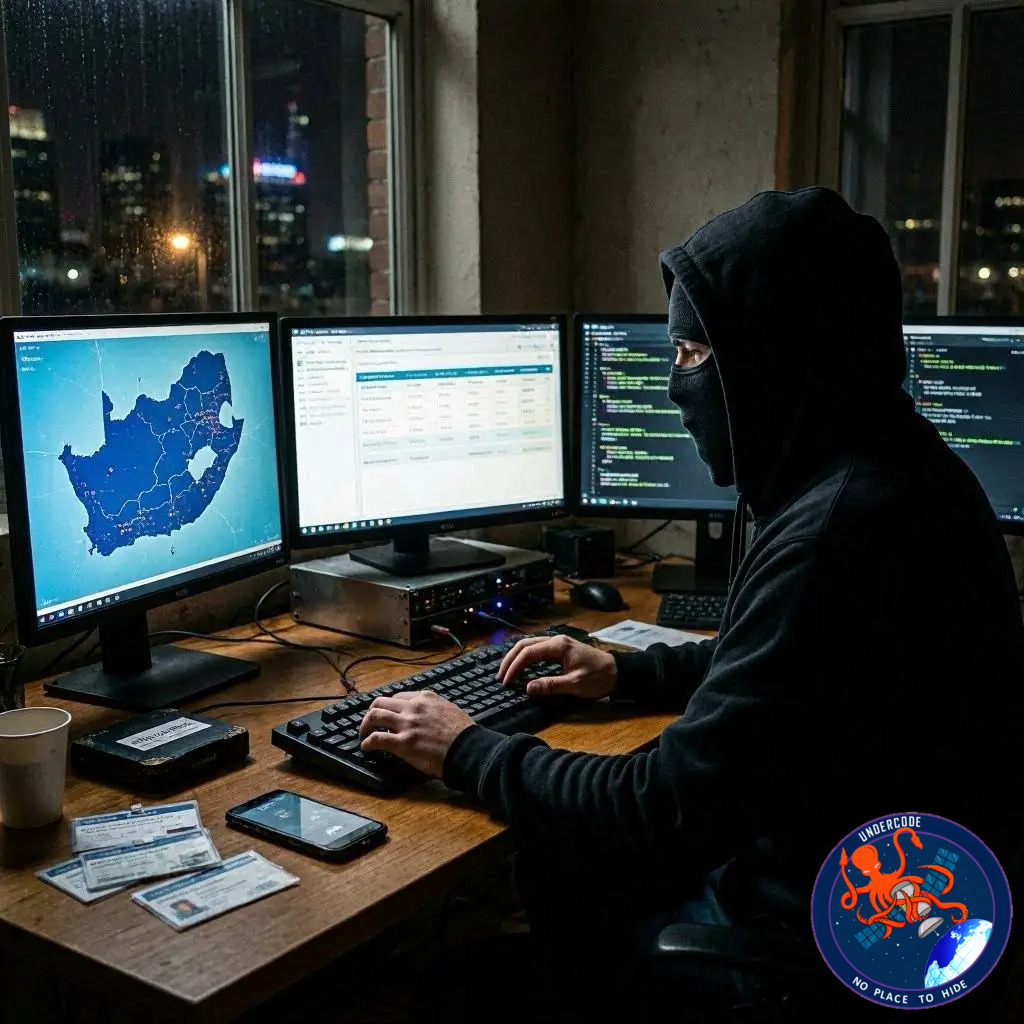
Cybercriminal activity targeting healthcare systems is becoming one of the most dangerous trends in the global threat landscape, and South Africa is increasingly finding itself exposed to these risks. A recent post shared by the account known as Dark Web Intelligence on the social platform X
hinted at a possible cyber-related incident involving South Africa’s health and digital health infrastructure. While the post itself remained vague and lacked technical specifics, the mere suggestion of healthcare-related exposure on the dark web raises serious concerns about patient privacy, digital infrastructure security, and national cyber resilience.
Healthcare organizations remain prime targets for ransomware gangs, data brokers, and financially motivated cybercriminals because of the high value of medical records. Unlike stolen credit cards, healthcare data can be reused for years, making hospitals and digital health platforms attractive assets in underground markets. The mention of South Africa’s digital health ecosystem within dark web monitoring circles therefore immediately triggered concern among cybersecurity observers.
Emerging Concerns Around South Africa’s Digital Health Infrastructure
The original social media post did not disclose whether the incident involved ransomware, database leaks, unauthorized access, or data exposure. However, the wording suggested that cyber threat actors may have identified vulnerabilities or potentially compromised assets connected to South Africa’s healthcare technology sector.
Over the last several years, healthcare systems across the world have undergone rapid digital transformation. Electronic medical records, online appointment systems, telemedicine platforms, cloud-hosted patient databases, and insurance integration have dramatically expanded the attack surface. South Africa’s healthcare modernization efforts are no exception.
This shift toward digital healthcare creates operational efficiency, but it also introduces new cybersecurity risks. Attackers often target healthcare institutions because downtime in hospitals can create life-threatening situations, increasing the likelihood that victims will pay ransom demands quickly.
The dark web has become a marketplace where threat actors advertise stolen databases, leaked credentials, remote access to servers, and ransomware negotiation portals. Even a brief mention by dark web monitoring communities can sometimes indicate reconnaissance activity before a larger attack becomes publicly visible.
Healthcare Data Is More Valuable Than Financial Data
Medical information carries enormous value in underground cybercrime markets. A healthcare record may contain:
Full legal names
National identification numbers
Insurance details
Medical histories
Prescription information
Contact data
Financial records
Unlike passwords or payment cards that can be changed rapidly, medical histories remain permanent. This makes healthcare leaks particularly damaging for victims.
Cybercriminal groups can exploit stolen healthcare information for identity theft, insurance fraud, phishing operations, blackmail campaigns, or social engineering attacks. In many cases, compromised healthcare records become part of larger criminal ecosystems operating across multiple countries.
South Africa’s growing investment in digital healthcare technology makes the sector strategically important but simultaneously vulnerable if cybersecurity controls fail to evolve at the same pace.
Global Healthcare Attacks Continue to Escalate
The healthcare industry has suffered some of the most disruptive cyberattacks in recent years. Hospitals in multiple countries have experienced ransomware incidents that disrupted surgeries, emergency response systems, and patient treatment schedules.
Attackers increasingly use double-extortion techniques, where they not only encrypt files but also steal sensitive information before demanding payment. If organizations refuse to comply, stolen data is leaked publicly through dark web portals.
The healthcare sector remains particularly vulnerable because many institutions still rely on outdated systems, limited cybersecurity budgets, and overburdened IT departments. In developing regions, these challenges are often even more severe.
South Africa has previously experienced major cyber incidents affecting both public and private institutions, demonstrating that the nation’s digital infrastructure is actively targeted by cybercriminal organizations.
What Undercode Says:
The Dark Web Mention May Be More Important Than It Looks
The brief and cryptic nature of the original post may appear insignificant at first glance, but cybersecurity professionals understand that early dark web references often precede larger public disclosures. Threat actors and intelligence monitoring accounts frequently tease incidents before victims officially acknowledge breaches.
If a healthcare-related compromise truly exists, the biggest risk may not be immediate operational disruption but rather silent data exfiltration occurring over extended periods. Modern attackers often remain inside networks for weeks or months before detection.
Healthcare Systems Are Underprepared for Modern Threats
Many healthcare providers still prioritize operational continuity over cybersecurity maturity. Hospitals frequently operate legacy systems that cannot easily be patched or replaced due to compatibility requirements with medical equipment.
This creates ideal conditions for ransomware operators. Once attackers gain initial access through phishing emails, exposed remote services, or stolen credentials, lateral movement across hospital networks can happen rapidly.
South Africa’s healthcare sector faces additional pressure because digital transformation projects may outpace internal cybersecurity staffing and investment. Expanding telemedicine and cloud infrastructure without equally expanding defensive capabilities creates dangerous exposure gaps.
Third-Party Vendors Could Be the Weakest Link
One of the most overlooked risks in healthcare cybersecurity involves third-party suppliers and digital service providers. Even if hospitals maintain decent internal security, external contractors may unintentionally expose sensitive systems.
Cloud-hosted patient management systems, outsourced IT services, insurance integrations, and software vendors can all become attack vectors. Threat actors increasingly target suppliers because compromising one vendor can provide access to multiple healthcare organizations simultaneously.
The vague wording in the original dark web post leaves open the possibility that the issue may involve an external provider rather than a direct breach of hospital infrastructure itself.
Cybercriminals View Healthcare as a Psychological Target
Attacking hospitals creates emotional pressure. Criminal organizations understand that healthcare institutions cannot tolerate prolonged downtime because patient care is directly affected.
This makes healthcare organizations more likely to negotiate quickly during ransomware incidents. Threat actors exploit this urgency strategically.
Additionally, stolen medical records can be weaponized in highly targeted phishing attacks. Attackers may impersonate doctors, insurance companies, or healthcare agencies to trick victims into revealing additional information.
The Lack of Public Information Is Also Concerning
The absence of technical details may indicate one of several scenarios:
Early-stage reconnaissance activity
An unverified underground claim
A developing breach investigation
A leak advertisement not yet publicly indexed
Internal compromise discussions occurring privately
Cybersecurity researchers often monitor these vague signals because they can evolve into confirmed incidents later.
Dark Web Monitoring Has Become Essential
Organizations can no longer rely solely on firewalls and antivirus software. Modern cybersecurity requires continuous dark web monitoring to detect stolen credentials, leaked databases, and underground chatter before attacks escalate.
Healthcare institutions especially need proactive intelligence capabilities. Early detection can significantly reduce operational damage and regulatory fallout.
Regulatory and Legal Fallout Could Be Severe
If patient data were compromised, organizations could face regulatory investigations, legal claims, reputational damage, and public trust collapse. Healthcare breaches often become national controversies because they involve deeply sensitive personal information.
In countries where digital health systems are expanding rapidly, cybersecurity governance frequently struggles to keep pace with innovation.
Attackers Are Becoming More Sophisticated
Modern cybercriminal groups operate like businesses. They use professional negotiation tactics, affiliate programs, malware-as-a-service infrastructure, and advanced data theft techniques.
Healthcare institutions are no longer dealing with amateur hackers. Many attacks now originate from organized ransomware ecosystems with international reach.
Digital Healthcare Requires Cybersecurity by Design
Healthcare modernization cannot succeed without embedding cybersecurity into infrastructure planning from the beginning. Security must become part of procurement, architecture, software development, employee training, and incident response planning.
Reactive cybersecurity is no longer enough.
Deep Analysis
Possible Initial Access Vectors
Attackers targeting healthcare systems commonly exploit:
Exposed Remote Desktop Protocol scanning
nmap -p 3389 --script rdp-enum-encryption target-ip
Vulnerable VPN detection
nmap --script vuln target-domain
Credential stuffing simulation
hydra -L users.txt -P passwords.txt ssh://target-ip
These methods often serve as the first stage before ransomware deployment or data theft.
Indicators of Compromise Organizations Should Monitor
Security teams should monitor for suspicious activities including:
Detect unusual outbound connections
netstat -antp
Monitor failed login attempts
grep "Failed password" /var/log/auth.log
Search for recently modified sensitive files
find / -mtime -2 -type f
Healthcare networks require continuous monitoring because attackers frequently move laterally before triggering disruptive payloads.
🔍 Fact Checker Results
✅ Verified Information
The social media account known as “Dark Web Intelligence” did publish a post mentioning South Africa and a health or digital health-related subject on May 24, 2026.
✅ Healthcare Is a Frequent Cybercrime Target
Global cybersecurity reports consistently confirm that healthcare institutions remain among the most targeted sectors for ransomware and data theft operations.
❌ No Public Confirmation of a Breach Yet
As of now, there is no publicly verified evidence confirming a major healthcare breach specifically tied to the vague dark web post mentioned in the original article.
📊 Prediction
Cyber threats against healthcare infrastructure in Africa are expected to increase significantly over the next few years as digital transformation accelerates across hospitals, insurance providers, and telemedicine platforms.
Dark web intelligence monitoring will likely become a standard requirement rather than an optional security feature. Governments and private healthcare operators may also face increasing pressure to adopt stricter cybersecurity regulations, mandatory breach disclosures, and real-time incident reporting systems.
If healthcare institutions fail to modernize their defenses alongside their digital services, ransomware groups and data brokers will continue viewing the sector as one of the most profitable targets in the cybercriminal ecosystem.
▶️ Related Video (74% Match):
🕵️📝Let’s dive deep and fact‑check.
References:
Reported By: x.com
Extra Source Hub (Possible Sources for article):
https://www.reddit.com
Wikipedia
OpenAi & Undercode AI
Image Source:
Unsplash
Undercode AI DI v2
Bing
🔐JOIN OUR CYBER WORLD [ CVE News • HackMonitor • UndercodeNews ]
📢 Follow UndercodeNews & Stay Tuned:
𝕏 formerly Twitter 🐦 | @ Threads | 🔗 Linkedin | 🦋BlueSky | 🐘Mastodon | 📺Youtube


