
Listen to this Post
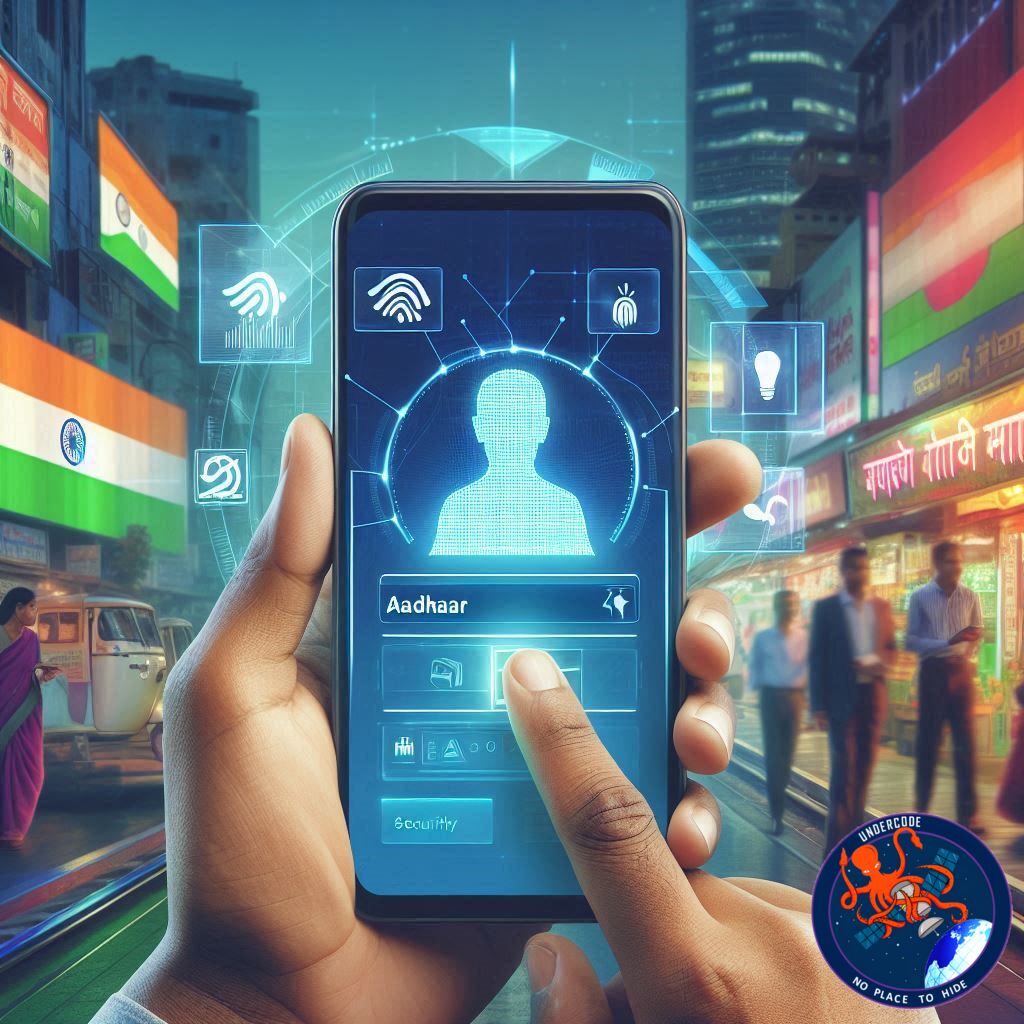
🔹 Introduction: The Future of Identity in Your Pocket
In a country where Aadhaar powers everything from welfare distribution to banking access, the way citizens carry and share their identity is being reimagined. The Unique Identification Authority of India (UIDAI) has officially launched a new Aadhaar mobile app—a move that marks a major evolution in India’s digital identity ecosystem. This isn’t just another update. It’s a shift toward more control, privacy, and everyday convenience. Designed to replace the static concept of carrying an identity card, this new app transforms Aadhaar into a dynamic, secure, and user-driven identity experience that lives on your smartphone.
🔹 A Smarter Way to Carry Aadhaar
The new Aadhaar app functions as a lightweight, digital identity wallet, allowing residents to store, display, and share their Aadhaar profiles with a new level of precision and privacy. Unlike its predecessor, mAadhaar, this app focuses on real-time presentation and controlled sharing of identity data rather than administrative tasks.
Through multi-profile management, users can add up to five Aadhaar profiles on one device, provided they share the same registered mobile number—a thoughtful feature for families. This eliminates the need for multiple devices or paper-based identity sharing.
🔹 Security Built from the Ground Up
At the heart of the app lies UIDAI’s promise of enhanced security and trust. It introduces face authentication, ensuring that only the genuine Aadhaar holder can activate and use their profile. Every step—from onboarding to verification—is safeguarded through OTP verification, biometric locks, and encrypted local storage.
This security-first approach gives users control over when and how their Aadhaar data is accessed. Whether unlocking the profile with a fingerprint, sharing masked details, or scanning a QR code for verification, the app is designed to keep sensitive information invisible to unauthorized parties.
🔹 Offline Access and Masked Sharing
The new app doesn’t stop at connectivity convenience. After the initial setup, offline access enables users to view and present their Aadhaar even in regions with weak or no network coverage. Through selective data sharing, residents can decide what to show—a name and photo, for instance—while hiding other details such as address or full Aadhaar number.
This masked sharing model helps prevent identity misuse, a growing concern in India’s rapidly digitizing society.
🔹 Transparency Through Activity Logs
UIDAI has also introduced a usage and authentication history feature, letting users track when and where their Aadhaar was accessed. This audit trail improves transparency and helps detect suspicious activities, furthering UIDAI’s vision of a secure, accountable identity system.
🔹 The Difference Between mAadhaar and the New App
While the new Aadhaar app is built for everyday presentation, mAadhaar remains the go-to for transactional tasks like downloading e-Aadhaar PDFs, ordering PVC cards, and updating personal details. UIDAI’s strategy is clear: divide functions for simplicity and speed. One app for instant, controlled identity display; another for documentation and backend management.
🔹 Easy Setup for Every Resident
Getting started is simple. Download the official “Aadhaar” app from Google Play Store or Apple’s App Store, verify it’s published by UIDAI, and register your Aadhaar number. An OTP confirms your linked mobile number, while a face scan finalizes activation. You then create a six-digit PIN or enable biometric protection for additional safety. Family profiles can be added with the same process, each requiring individual verification.
🔹 Privacy by Design
UIDAI’s privacy safeguards are comprehensive. Aadhaar data is stored locally on the device and protected by both PIN and biometric locks. The app does not upload full Aadhaar data to any cloud server. Its selective sharing options and masked Aadhaar display ensure that only minimal information is ever shared. This design reinforces UIDAI’s intent to balance usability with confidentiality in a data-sensitive era.
🧩 What Undercode Say:
The new Aadhaar app reflects a major step in India’s ongoing digital transformation, aligning identity technology with global standards of privacy and usability. What makes this rollout significant isn’t merely the features but the philosophy behind them. UIDAI appears to be moving away from centralized dependency and toward decentralized, user-controlled authentication—a model seen in advanced e-ID systems in countries like Estonia and Singapore.
This change also hints at a larger policy evolution. By separating transactional and presentation apps, UIDAI is implicitly acknowledging that users need faster, more secure access in daily life without navigating bureaucratic layers. It’s a sign that India’s identity infrastructure is maturing beyond basic digitization into intelligent, privacy-aware mobility.
From a cybersecurity standpoint, local storage with biometric locks is an excellent safeguard, though it introduces the need for rigorous encryption and consistent patch updates. Any compromise at the device level could expose user data, so continuous user education and app maintenance are essential.
The face authentication mechanism is a double-edged sword. On one hand, it ensures physical presence and prevents impersonation. On the other, it raises questions about facial data retention and potential misuse. UIDAI must maintain transparency on how such biometric data is processed and stored—or better yet, ensure it is ephemeral, used only for instant verification.
This app also marks a cultural shift. It subtly encourages users to treat digital identity as a personal asset—one they can manage, lock, and share on their own terms. The inclusion of family profiles recognizes India’s social structure, where shared mobile numbers are common.
Economically, this could boost digital service adoption across rural areas. Offline access bridges the connectivity gap, allowing verification in places where network access remains inconsistent. For merchants, banks, or government programs, QR-based authentication can streamline processes without exposing full Aadhaar numbers—reducing friction while strengthening privacy.
Ultimately, this new app positions Aadhaar for the next decade of India’s digital identity evolution. It’s lighter, smarter, and more transparent. But its long-term success will depend on public trust—a factor UIDAI must continue to earn through open communication, security transparency, and responsible data governance.
🔍 Fact Checker Results
✅ The new Aadhaar app is officially launched by UIDAI and available on Android and iOS.
✅ mAadhaar remains functional for document and account management tasks.
✅ Features like offline access, face authentication, and selective sharing are verified through official UIDAI documentation.
📊 Prediction
📱 Over the next few years, Aadhaar’s digital wallet could become India’s primary form of identification in both online and offline settings.
🔐 Expect UIDAI to integrate AI-based fraud detection and cross-platform authentication tools to strengthen security further.
🌐 As India pushes toward a paperless, mobile-first identity ecosystem, this app could redefine how 1.4 billion citizens interact with digital governance and financial services.
🕵️📝✔️Let’s dive deep and fact‑check.
References:
Reported By: timesofindia.indiatimes.com
Extra Source Hub (Possible Sources for article):
https://www.instagram.com
Wikipedia
OpenAi & Undercode AI
Image Source:
Unsplash
Undercode AI DI v2
Bing
🔐JOIN OUR CYBER WORLD [ CVE News • HackMonitor • UndercodeNews ]
📢 Follow UndercodeNews & Stay Tuned:
𝕏 formerly Twitter 🐦 | @ Threads | 🔗 Linkedin | 🦋BlueSky | 🐘Mastodon


