
Listen to this Post
Introduction: The Rise of a New Automotive Battleground
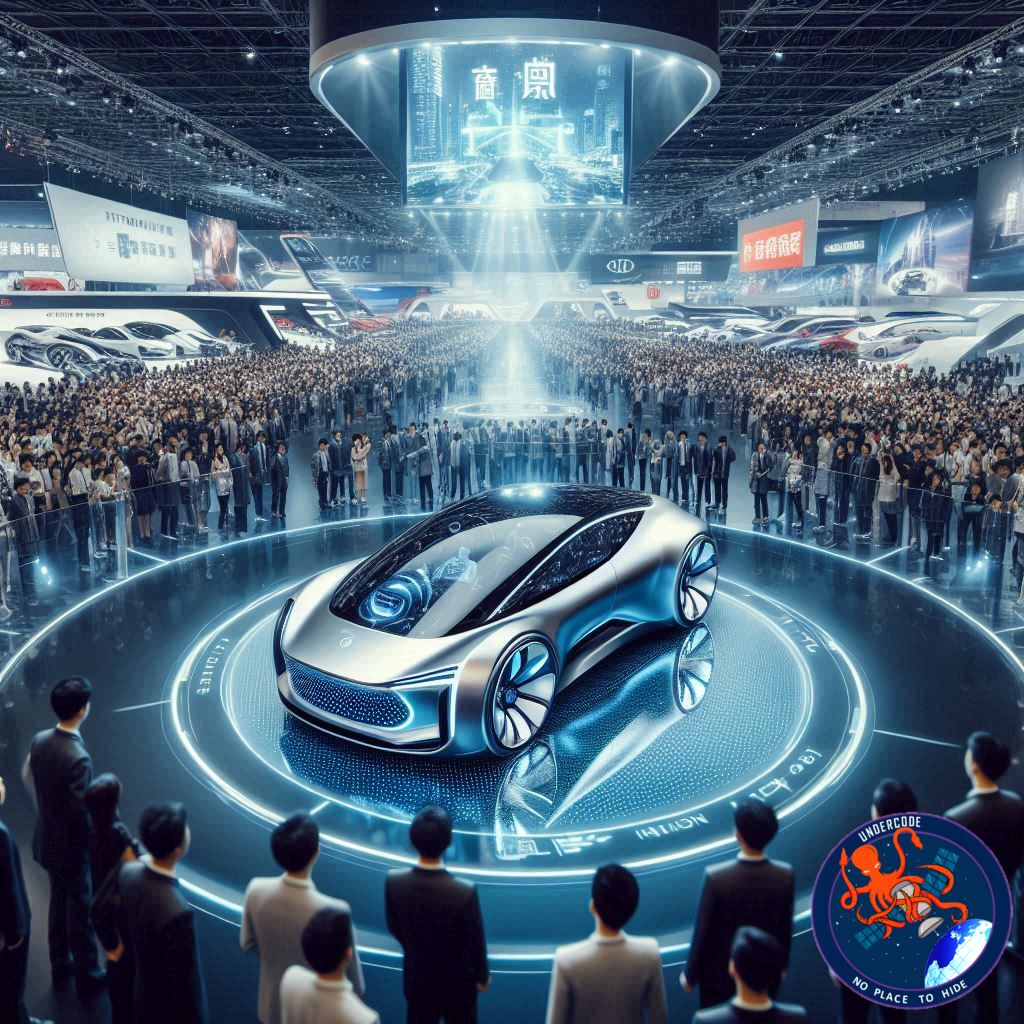
In Guangzhou, a quiet shift is turning into a global shockwave. The Guangzhou International Motor Show, running through the end of the month, has become a stage where Chinese automotive intelligence is no longer emerging, it is dominating. What once looked like a regional exhibition has transformed into a technological battleground where vehicles function less as machines and more as hyperconnected smart systems. Huawei’s driver-assistance ecosystems, autonomous decision engines, and digital nervous systems are no longer experimental concepts. They have become the beating heart of new-generation vehicles from Chinese and foreign brands alike. This show marks a turning point in the race to define the future of mobility, and the world is watching.
China’s Intelligent Car Surge
The Guangzhou Motor Show highlights how China now leads a seismic shift toward automotive intelligence. Huawei’s software-defined driving systems and advanced sensors command attention as their vehicles confidently navigate exhibition routes. These systems, once perceived as add-ons, now serve as the central brain for major global brands like Audi and Toyota, demonstrating how integrated Chinese technologies have become across the international supply chain.
The New Role of Chinese Tech Giants
Chinese communication and tech firms, formerly known for smartphones and networking hardware, now architect the intelligence behind vehicle platforms. Their algorithms enable real-time perception, rapid environmental mapping, and split-second decision-making that improve safety and performance far beyond conventional ADAS designs.
Foreign Automakers Lean on Local Intelligence
German and Japanese automakers, once technology exporters, now find themselves dependent on Chinese-developed intelligence modules. Audi, Toyota, and others incorporate Chinese chips, operating systems, and navigation platforms to keep pace in the world’s fastest-moving EV and smart-vehicle market.
Competition Shifts to Brainpower, Not Horsepower
The automobile arms race has shifted from engines to computing power. Companies compete on neural-network speed, sensor coverage, chip thermal efficiency, and cloud connectivity. Physical design matters, but intelligence defines differentiation.
Seven Exhibits Reflect the Nation’s Vision
Across seven major exhibitions, themes emerge: autonomous corridor testing, urban driving prediction models, advanced infotainment ecosystems, energy-optimized EV platforms, integrated lidar solutions, full-stack in-house operating systems, and real-time cloud-vehicle synergy. Together, they illustrate a coordinated national push toward technological sovereignty.
A Thousand Cars, One Direction
With more than a thousand vehicles displayed, the dominant narrative is unmistakable. Every major brand showcases intelligence, autonomy, or digital integration. Regardless of origin, the tone is set by Chinese innovation. The Guangzhou Motor Show no longer mirrors trends; it creates them.
What Undercode Say:
China’s strategic ascent toward automotive intelligence reflects a long game executed with precision. The nation invested early in vertical integration, ensuring that chips, software stacks, sensors, and cloud infrastructures share a unified development pipeline. This unity is exactly what foreign manufacturers lack. Fragmented supply chains slow iteration, while China’s platforms iterate with the speed of consumer electronics.
Deep learning systems, once isolated research projects, now shape mainstream vehicle functions. Collision prediction, dynamic path optimization, and adaptive driving style modification allow cars to behave with uncanny human-like intuition. Huawei’s shift from communications to mobility intelligence should not be underestimated. Their integrated ecosystem represents a direct challenge to traditional automotive giants because it reframes the car as a data-driven, software-first product.
The Guangzhou Motor Show acts as a pressure test for global competition. European and Japanese firms confront the reality that China has moved beyond manufacturing efficiency. It now dominates the innovation layer. The automotive brain, the true core of future mobility, is being shaped in Shenzhen, Shanghai, and Guangzhou.
This transformation also signals a geopolitical technology shift. The dominance of Chinese ADAS and autonomous stacks could dictate global standards. When enough vehicles rely on one region’s intelligence framework, the ecosystem becomes self-reinforcing. China’s early foothold ensures influence over global protocols, safety baselines, and even UI expectations inside vehicles.
More importantly, China’s strategy prioritizes adaptability. Instead of releasing fixed hardware updates every five years, their smart-car platforms update weekly or monthly. The vehicle’s personality evolves over time. Western automakers still struggle with legacy architectures not designed for continuous deployment.
The Guangzhou Motor Show’s real message is clear. The next generation of cars will not be defined by traditional engineering alone. They will be shaped by software, AI inference capability, real-time connectivity, and user-centric intelligence. On each of these fronts, China has built an ecosystem with scale, speed, and ambition unmatched anywhere else.
Foreign automakers face a crossroads. Either they accelerate collaboration with Chinese tech firms or risk irrelevance in Asia’s largest automotive market. The transition will not be easy, but the gap grows each season that passes. This show is not a showcase of individual brands but an exhibition of China’s coordinated technological momentum.
Fact Checker Results
✅ Chinese tech firms are increasingly supplying core automotive intelligence to global brands.
✅ The Guangzhou Motor Show features extensive displays of autonomous and smart-vehicle innovations.
❌ The show does not indicate foreign retreat, but it does reveal their growing dependency on Chinese systems.
Prediction
China will continue expanding dominance in automotive intelligence, shaping global standards and accelerating transitions toward fully autonomous mobility. Competitors will shift from hardware focus to software partnerships, while Chinese platforms gain deeper integration worldwide. The next three years will bring strategic alliances, regulatory debates, and the global normalization of China-led smart-car ecosystems.
🕵️📝✔️Let’s dive deep and fact‑check.
References:
Reported By: xtechnikkeicom_7cbb2f652cc3ea9a2ecbffff
Extra Source Hub (Possible Sources for article):
https://www.twitter.com
Wikipedia
OpenAi & Undercode AI
Image Source:
Unsplash
Undercode AI DI v2
Bing
🔐JOIN OUR CYBER WORLD [ CVE News • HackMonitor • UndercodeNews ]
📢 Follow UndercodeNews & Stay Tuned:
𝕏 formerly Twitter 🐦 | @ Threads | 🔗 Linkedin | 🦋BlueSky | 🐘Mastodon


