
Listen to this Post
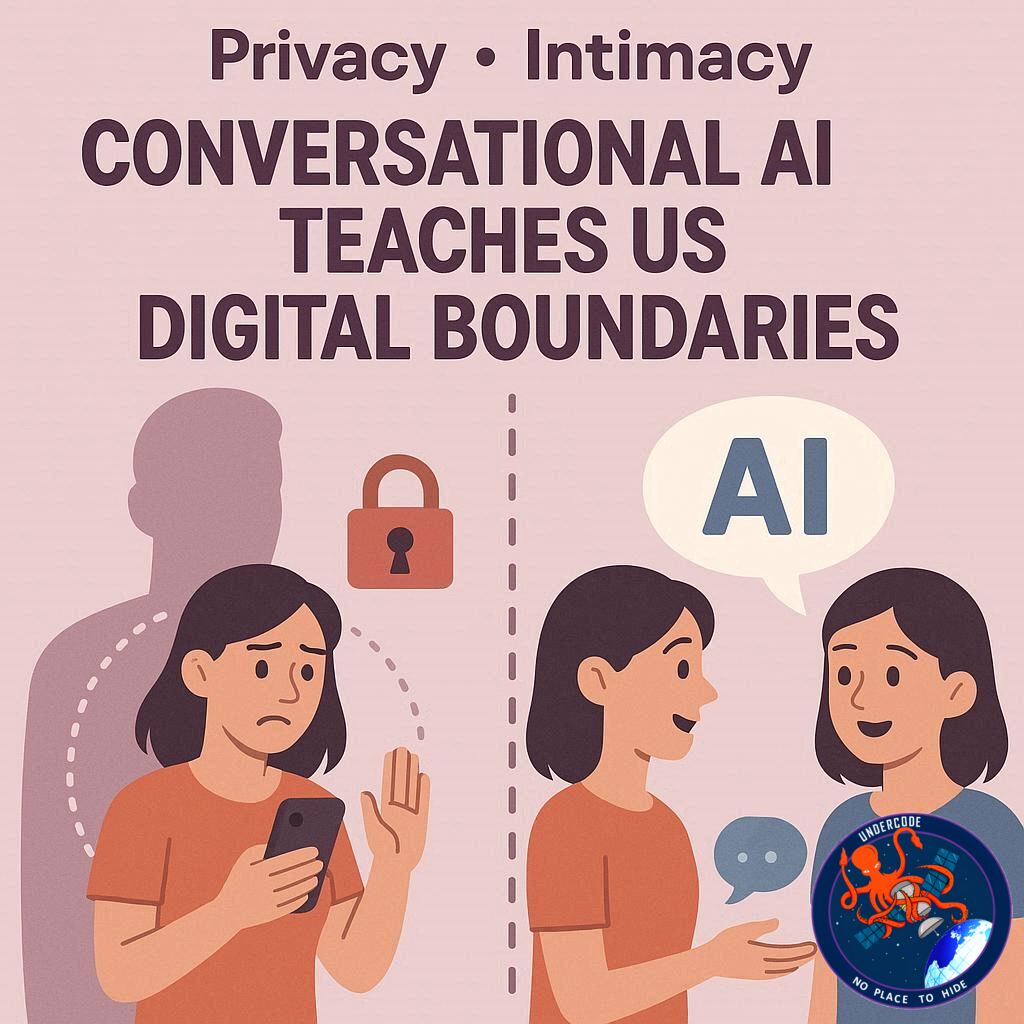
Introduction: A New Era of Digital Privacy
The rise of conversational AI, such as ChatGPT, Claude, and Gemini, is changing how we interact with technology—and how much personal information we willingly share. With whispers of advertising integration into AI systems, questions about digital privacy and monetization of intimate conversations have never been more urgent. Just as social media once exposed our private lives to commercial interests, AI now brings similar risks—but in a far more personal, seemingly confidential setting. Understanding these dynamics is crucial for anyone navigating the modern digital landscape.
The Forgotten Lessons from Social Media
Social media taught us hard truths about privacy. Remember the Cambridge Analytica scandal? Personal data—from likes and posts to demographic information—was weaponized for political gain, igniting public outrage. People realized that “free” platforms often monetize their users. Stricter regulations like GDPR emerged, alongside a culture of digital literacy where users scrutinize what they share and demand more transparency.
Yet, this awareness has not fully translated to conversational AI. Users now confide deeply personal information—health concerns, financial anxieties, sexual preferences, and creative ideas—in AI systems. The one-on-one, human-like interactions create an illusion of privacy, making data sharing feel safe, even intimate. Unlike public social media posts, these AI conversations can feel like private counseling sessions, fostering trust and openness.
Advertising in Conversational AI: A Privacy Minefield
The potential for advertising in AI systems raises serious concerns:
Neglect of Information Hierarchy
When AI prioritizes advertiser-sponsored content, users may receive biased, commercially motivated recommendations instead of objective guidance.
Monetization of Attention and Intimacy
AI integrates ads seamlessly into conversations, blurring the line between genuine advice and marketing, creating “unobjective information” that subtly manipulates users.
Echo Chambers and Filter Bubbles
Personalized advertising could limit exposure to diverse viewpoints, trapping users in narrow information environments that serve commercial rather than personal interests.
The Trust Transfer Problem
Unlike social media, AI interfaces feel private and neutral. This fosters a misplaced sense of security, making users more willing to share sensitive data without questioning how it’s used or monetized.
Moving Forward: Mindful AI Use and Open-Source Solutions
The lessons from social media must inform AI adoption. Users need education on AI data collection, transparency demands, and ethical usage standards. Open-source AI models present a viable alternative, enabling privacy-conscious deployment, local data processing, and user-controlled data policies. Developers can minimize logging, offer deletion options, and design systems that prioritize privacy over advertising revenue. Users should vet providers, understand data storage practices, and remain skeptical of “free” services that extract hidden value.
Ultimately, conversational AI’s intimacy requires a heightened level of vigilance. Privacy is no longer just a technical challenge—it’s about trust and control over our most personal information.
What Undercode Say: 🔍
Conversational AI is not inherently malicious, but it exposes critical privacy gaps. People are comfortable sharing intimate details because AI feels safe and neutral. Yet this very trust can be exploited if monetization enters the picture. AI companies may replicate social media’s advertising-driven model, creating ethical dilemmas around bias, manipulation, and information control.
The subtle integration of advertising could erode objectivity. Users may unknowingly receive suggestions designed to serve commercial interests rather than genuine needs. Filter bubbles could limit exposure to diverse ideas, reinforcing pre-existing beliefs.
Developers have the power to build privacy-first AI, using local deployment, minimal data retention, and transparent processes. Ethical design choices will determine whether AI becomes a tool for empowerment or a sophisticated data-mining system.
Open-source initiatives offer a path forward, allowing users to maintain control over their data while enjoying AI benefits. This approach reduces dependence on corporate-driven AI systems and promotes transparency. Privacy education is equally vital; users must learn to navigate AI conversations with the same caution previously applied to social media.
The balance between convenience and control is delicate. AI can enhance productivity and provide emotional support, but without safeguards, the personal intimacy it fosters could become a commodity. Designers and policymakers must act proactively to ensure AI respects privacy and fosters genuine trust.
Ultimately, conversational AI presents an opportunity to learn from past mistakes. The social media privacy crisis taught us to question “free” services and demand transparency. AI offers a chance to set a higher standard: systems that respect privacy, avoid manipulative advertising, and prioritize user well-being.
Fact Checker Results ✅❌
✅ AI interactions feel private due to human-like interfaces, encouraging users to overshare.
✅ Social media history shows that free platforms often monetize personal data.
❌ Current AI systems have minimal regulation, but ethical frameworks and open-source solutions exist to protect privacy.
Prediction 🔮
As conversational AI adoption grows, privacy-focused and open-source models will gain popularity, challenging traditional monetization models. Users are likely to demand more transparency about data usage and push back against AI advertising. Ethical design standards will become a competitive advantage, shaping the next generation of AI tools. The next five years may see a shift where conversational AI is not only helpful but also genuinely protective of intimate user information, setting a new benchmark for digital trust.
🕵️📝✔️Let’s dive deep and fact‑check.
References:
Reported By: huggingface.co
Extra Source Hub:
https://stackoverflow.com
Wikipedia
OpenAi & Undercode AI
Image Source:
Unsplash
Undercode AI DI v2
🔐JOIN OUR CYBER WORLD [ CVE News • HackMonitor • UndercodeNews ]
📢 Follow UndercodeNews & Stay Tuned:
𝕏 formerly Twitter 🐦 | @ Threads | 🔗 Linkedin | 🦋BlueSky | 🐘Mastodon


