
Listen to this Post
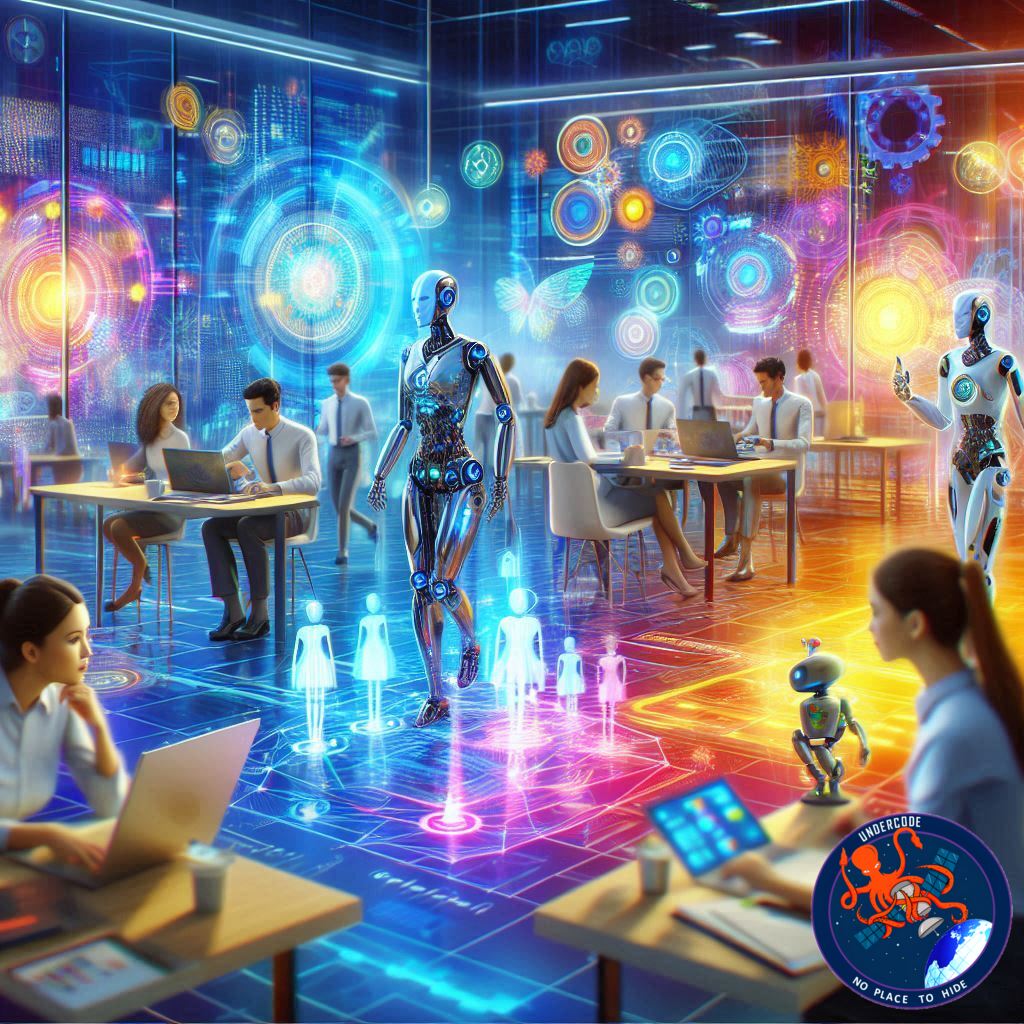
Introduction: A Workplace on the Edge of Reinvention
The modern workplace is standing at the threshold of a dramatic shift. Tools we once considered essential, platforms we logged into daily, and applications that defined our job roles are now poised to dissolve into the background. The rise of AI agents, capable of executing tasks, managing systems, and replacing layers of traditional software, is pushing us toward a reality that looks less like today’s office and more like the seamless automation once imagined in science fiction. This transition is moving faster than most realize, accelerated by new predictions from tech leaders who believe that billions, perhaps trillions, of AI agents will soon operate across enterprises. What happens to work when software becomes invisible, interactions become conversational, and systems manage themselves? This article unpacks the emerging landscape and explores how AI agents will fundamentally reshape everything we consider routine.
Traditional Software Erased by Intelligent Agents
ZDNET’s report on Boomi CEO Steve Lucas reveals a future where familiar software disappears into AI-driven processes. According to Lucas, the applications we open daily will be consumed by artificial intelligence, existing only as logical components rather than standalone tools. Employees will no longer click through dashboards or navigate complex interfaces. Instead, they will use an AI experience layer, communicating with systems verbally, visually, or audibly.
From Software Categories to AI Constructs
Lucas argues that categories like CRM, HR tools, or ERP might fade away as agents perform the tasks these platforms once handled. Much like self-driving cars evolving from glorified cruise control to fully autonomous navigation, enterprise systems will evolve into self-managing entities. AI agents become the operational backbone, ensuring tasks are completed without human intervention.
Enterprises Flooded With AI Agents
Initial predictions claimed companies would deploy thousands of AI agents within two years. Lucas now pushes that estimate further, suggesting billions or even trillions could exist across organizations worldwide. His example of generating a data-quality agent in 30 seconds highlights how quickly these capabilities scale. If a business can generate agents this easily, the need for dedicated tooling shrinks dramatically.
AI Consuming Core Software Responsibilities
The rapid evolution of platforms like ChatGPT demonstrates just how quickly AI capabilities become mainstream. Lucas proposes a scenario where a small business leader simply tells AI to act as a CRM, and the system fulfills that role without traditional software. Agents might approve expense reports automatically, cross-check calendars, or update records without being told. Complexity remains, but the direction is clear: AI is ready to function as both tool and operator.
Goodbye System Logins, Hello Experience Layer
As AI agents automate workflows, the concept of logging into applications will fade. Major systems like Salesforce or Workday will exist as back-end records, similar to modern mainframes. Humans will rarely interact with them directly. Instead, users will speak to their AI layer, which handles everything behind the scenes.
The Rise of the Activation Layer
To make this agent-driven reality possible, the enterprise needs an activation layer that governs integration, compliance, and workflow orchestration. This becomes essential as research from MIT warns that 95 percent of companies do not see measurable impact from AI investments. Without proper integration, automation breaks down. Lucas describes a future where organizations must combine their AI models with agent development platforms and connect everything through activation layers linking data, apps, and processes.
A Future Already Coming Into Focus
Lucas insists this vision is not distant. For him, the transformation is visible from miles away. As AI agents become capable of handling more complex, nuanced tasks, the enterprise will shift from a tool-driven environment to a conversation-driven one. Employees will issue intent, not instructions. Systems will self-regulate, self-check, and self-complete. And the workplace we know will become unrecognizable.
What Undercode Say:
A Deep Dive Into the Coming Agentic Revolution
The trajectory outlined here signals one of the most profound reorganizations in workplace history. The shift is not merely technological. It is structural, cultural, and deeply economic. For decades, the value chain of enterprise software revolved around applications, user interfaces, and human-dependent workflows. AI agents flip this model. They dissolve the barrier between user and system, transforming every tool into a background process triggered by intent rather than action.
Agents as the New Workforce Infrastructure
If trillions of agents emerge across industries, they become a new digital labor force. Instead of rigid software categories, we get clusters of autonomous micro-services operating in parallel. Every business function becomes decomposed into thousands of automated behaviors. Data validation, lead tracking, scheduling, auditing, approvals, procurement, coordination, compliance, all become agent-driven.
The Collapse of Traditional Tooling
This evolution challenges the business models of software vendors. Companies built on feature-rich interfaces may struggle when those interfaces disappear. Value shifts from selling applications to selling integrations, governance layers, and AI-ready data pipelines. The winners will be platforms that orchestrate agents. The losers will be tools that rely on user interaction as their anchor.
Behavioral Change in the Enterprise
The psychological shift will be significant. Workers will move from active operators to passive overseers. Instead of submitting reports, employees will verify outcomes. Instead of assigning tasks, they will confirm intent. This could reduce cognitive load but also risks creating over-reliance on automated judgment. Enterprises must balance trust with verification.
Governance Will Define Success
The activation layer described by Lucas is not just a technical bridge. It becomes the gatekeeper for security, compliance, and workflow consistency. Without it, agent sprawl could create chaos. Integration failures could lead to unpredictable behavior. The companies that prioritize governance early will build stable AI ecosystems. Those that ignore it will face costly disruptions.
The Future Workplace: Invisible Tools, Visible Impact
When logins disappear and systems respond conversationally, employees begin to operate in an environment where technology fades into the background. Productivity becomes fluid. Decision cycles shorten. Bottlenecks dissolve. Yet this also places pressure on leadership to design ethical, resilient, transparent AI frameworks. The transformation is not optional. It is inevitable. The question is whether organizations adapt gracefully or reactively.
A Quiet Shift With Massive Consequences
What begins as convenience ends as disruption. Roles will change. Departments will merge. Traditional software markets may fracture. Companies that prepare today will thrive. Those that underestimate the scale of the shift will be left behind. The agentic wave is not another tech trend. It is the next operating system for work itself.
Fact Checker Results
✅ AI agents are already being deployed in enterprise workflows at large scale.
❌ Traditional software will not vanish completely in the near term, although its visibility will decrease.
✅ Governance and integration remain significant obstacles for companies adopting AI.
Prediction
AI agents will become the primary interface for enterprise work within three to five years. Workflows will shrink into conversational exchanges, and software categories will collapse into background infrastructure. Companies that invest early in activation layers and data governance will emerge as leaders, while late adopters risk operational fragmentation and competitive decline.
🕵️📝✔️Let’s dive deep and fact‑check.
References:
Reported By: www.zdnet.com
Extra Source Hub (Possible Sources for article):
https://www.medium.com
Wikipedia
OpenAi & Undercode AI
Image Source:
Unsplash
Undercode AI DI v2
Bing
🔐JOIN OUR CYBER WORLD [ CVE News • HackMonitor • UndercodeNews ]
📢 Follow UndercodeNews & Stay Tuned:
𝕏 formerly Twitter 🐦 | @ Threads | 🔗 Linkedin | 🦋BlueSky | 🐘Mastodon


