
Listen to this Post
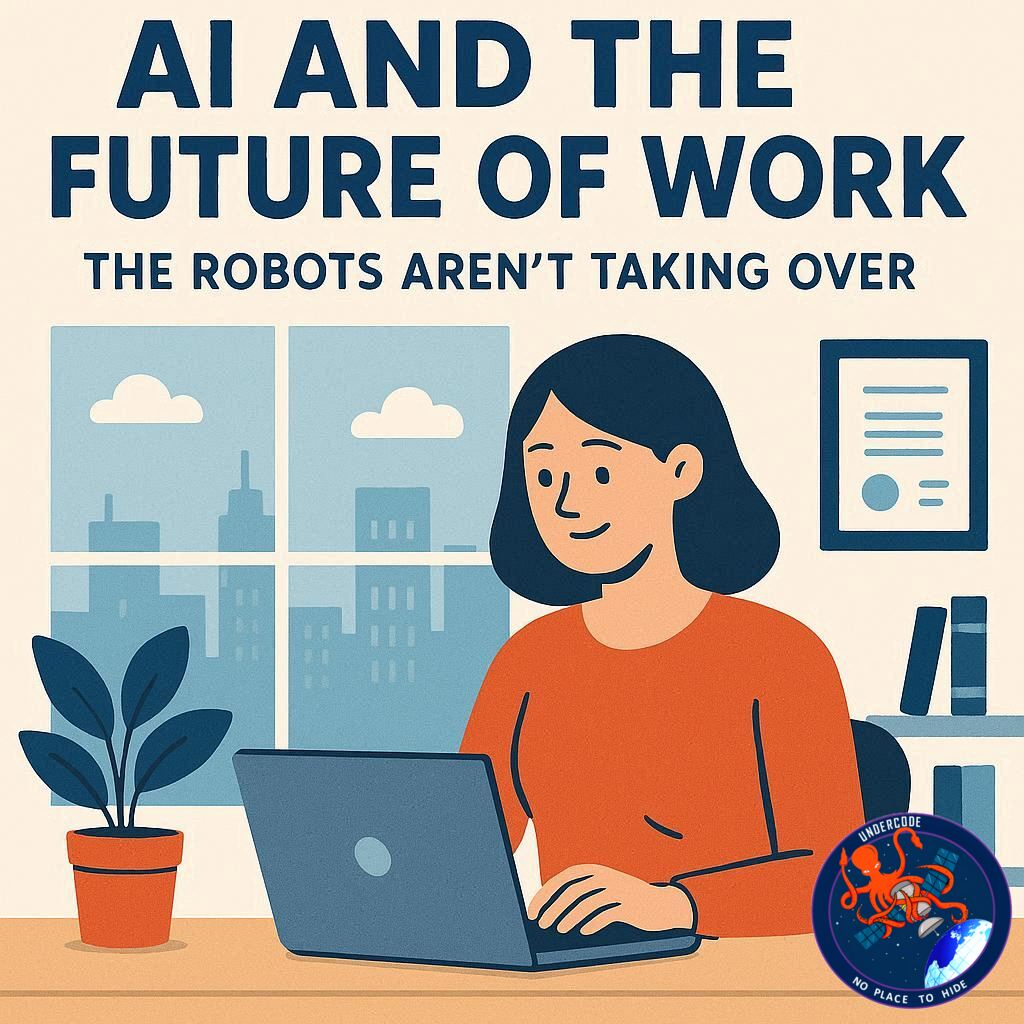
The rise of artificial intelligence has sparked widespread speculation about the future of work, especially for tech professionals. Headlines frequently warn of mass layoffs and a “job apocalypse” as AI systems grow smarter. Yet, leading experts argue that rather than wiping out careers, AI is transforming them, creating new opportunities and amplifying human potential. Far from a threat, AI may expand the software profession and reshape roles in ways that are both innovative and highly valuable.
AI Will Transform, Not Eliminate, Tech Roles
Erik Brynjolfsson, a Stanford University professor, author, and inventor, challenges the doom-and-gloom narrative. According to Brynjolfsson, AI cannot generate real value alone—it requires humans to define problems, execute solutions, and evaluate results. The emerging value lies in asking the right questions, identifying meaningful problems, and creating frameworks for AI to act effectively. This human-centered approach ensures that those who can frame problems and direct AI tools will become indispensable in the workforce.
New Roles Emerging in the AI Era
The evolution of AI-driven work is giving rise to new roles such as “chief question officer” and managers overseeing fleets of autonomous agents. These positions focus on coordinating AI systems and maximizing their productivity, rather than replacing human workers. Historical parallels show that technological advancements rarely eliminate jobs outright. The introduction of fourth-generation programming languages and cloud services, for instance, did not reduce demand for programmers; it merely shifted focus and created new specializations.
Productivity Boosts Without Job Losses
Agentic AI—autonomous AI systems performing complex tasks—will enhance productivity rather than diminish employment. Brynjolfsson predicts that some workers may become 2–10 times more productive, accelerating the demand for software developers globally. AI will democratize coding, allowing people to generate software and applications through natural language commands. While these “citizen developers” may not identify as traditional coders, they will create valuable solutions previously restricted to highly specialized professionals.
Safety, Ethics, and Collaboration
As more people enter software development via AI tools, Brynjolfsson stresses the importance of guardrails to ensure safety, security, and privacy. Proper oversight and collaboration within organizations are essential to prevent misuse or errors. AI can assist in monitoring compliance, making it easier for humans to safely scale their capabilities while maintaining control over outcomes.
AI Beyond Tech
AI is not limited to software development. Brynjolfsson highlights its applicability across fields such as art, music, literature, marketing, and philosophy. Hands-on experience is crucial, and anyone willing to explore AI tools can amplify their work without extensive coding knowledge. The emphasis shifts from pure technical skill to creativity, problem framing, and the ability to manage AI-driven workflows effectively.
Technology as a Complement, Not a Substitute
The fundamental distinction Brynjolfsson draws is between technology as a substitute versus a complement. Substitute technologies replace human effort, while complementary technologies amplify it. Historically, complements have driven wage growth and productivity, empowering humans to accomplish tasks neither they nor machines could achieve alone. AI functions primarily as a complement, expanding human capacity and creating opportunities for innovation rather than eliminating jobs.
Lessons from History
Brynjolfsson compares the AI revolution to the advent of jet engines. While pilots became far more productive, the number of pilots did not decrease. Instead, aviation expanded exponentially, facilitating more travel, commerce, and global connectivity. Similarly, AI will not shrink tech jobs but will elevate human capability, enabling greater output, creativity, and economic growth.
What Undercode Say:
The conversation with Erik Brynjolfsson highlights a fundamental misconception about AI: fear of obsolescence overshadows recognition of opportunity. Historical trends consistently show that technological shifts create new roles and industries, rather than erasing them. The AI revolution is no different. As AI handles routine or computationally intensive tasks, humans will focus on higher-order activities: defining strategic questions, interpreting AI outputs, and guiding ethical implementation.
The rise of agentic AI systems requires new managerial and oversight skills. “Fleet managers” and “question officers” exemplify roles that are uniquely human: they orchestrate AI operations, ensure alignment with organizational goals, and safeguard ethical standards. Such roles will be essential across sectors, from software to finance, healthcare, and creative industries. This indicates a shift in skill demand rather than a contraction in job availability.
Moreover, democratized coding—powered by natural language programming—will broaden the developer ecosystem. AI platforms enable individuals to produce functional software without deep technical expertise, blurring the line between coders and “citizen developers.” Organizations will increasingly leverage hybrid teams of professionals and AI-empowered contributors, expanding the workforce and accelerating innovation.
Guardrails and safety measures are not obstacles but necessary enhancements to scale responsibly. Effective collaboration between humans and AI will mitigate risks such as bias, privacy violations, or unintended consequences, while amplifying productivity. This symbiosis signals a transition to a more collaborative and adaptive labor market, where technology and humans co-evolve.
Importantly, AI’s complementary nature ensures that wages and value creation continue to rise. By amplifying human capability, AI enables people to tackle more complex problems, produce higher-quality work, and generate economic growth across multiple industries. The key determinant of future success will be adaptability, creativity, and the ability to orchestrate AI as a tool rather than an adversary.
AI’s expansion into non-technical fields further democratizes influence. Artists, writers, marketers, and strategists can leverage AI to iterate faster, experiment with new ideas, and access insights previously limited to data specialists. The technology is not an exclusive domain; it is an amplifier of human intellect and innovation.
Historical lessons reinforce this perspective. Technological advances—from computers to the internet—did not eliminate jobs but created ecosystems of new professions, often unforeseen. AI will follow a similar trajectory, generating demand for new skills while enhancing existing roles. The fear of replacement is largely psychological; the reality is a massive opportunity for reskilling, innovation, and economic expansion.
In short, the AI wave is a call to action, not a warning of doom. Tech professionals and non-technical workers alike must embrace AI, learn its capabilities, and leverage it to unlock productivity and creativity. Those who can frame meaningful questions, evaluate outputs, and implement solutions responsibly will define the next generation of success.
Fact Checker Results:
✅ AI complements human work rather than fully replacing it.
✅ New tech roles such as “chief question officer” are emerging.
✅ Productivity increases from AI are consistent with historical patterns of technological adoption.
Prediction 📊
AI will expand the global software development workforce by a factor of 10 within the next decade, fueled by citizen developers.
New roles in AI oversight and strategy will proliferate, becoming essential in every sector.
Economic growth and wage increases will accompany AI adoption, as humans and machines collaborate to solve increasingly complex problems.
🕵️📝✔️Let’s dive deep and fact‑check.
References:
Reported By: www.zdnet.com
Extra Source Hub (Possible Sources for article):
https://www.instagram.com
Wikipedia
OpenAi & Undercode AI
Image Source:
Unsplash
Undercode AI DI v2
Bing
🔐JOIN OUR CYBER WORLD [ CVE News • HackMonitor • UndercodeNews ]
📢 Follow UndercodeNews & Stay Tuned:
𝕏 formerly Twitter 🐦 | @ Threads | 🔗 Linkedin | 🦋BlueSky | 🐘Mastodon


