
Listen to this Post
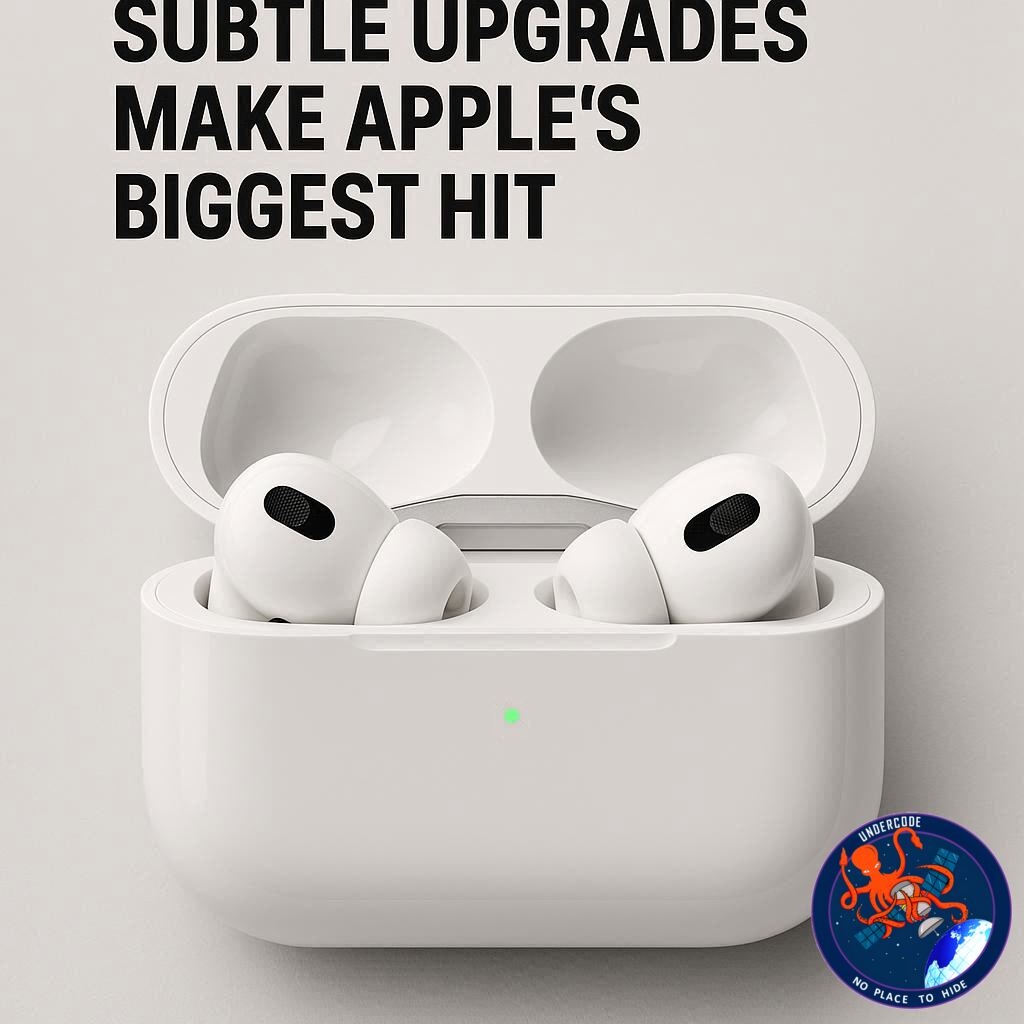
Apple is expected to unveil the iPhone 17 lineup soon, but for many tech enthusiasts, the real excitement lies elsewhere—rumors about the next generation of AirPods Pro. The AirPods Pro 2 remain some of the most popular wireless earbuds on the market, yet whispers of an upgraded AirPods Pro 3 suggest that Apple might be preparing small but significant improvements.
These rumored tweaks may not sound flashy compared to live translation features or temperature sensing, but subtle upgrades—like smarter adaptive noise reduction, more accurate heart rate tracking, and better device location tools—could make the difference between “just another upgrade” and “an instant must-buy.”
Smarter Adaptive Noise Reduction
Apple’s adaptive noise reduction, first introduced in AirPods Pro 2 with iOS 17, uses AI algorithms to detect disruptive sounds and automatically adjust cancellation. Powered by the H2 chip, the feature is a favorite among many users, but it lags slightly behind Bose’s QuietComfort Ultra Earbuds, especially when it comes to smoothness and responsiveness.
The hope is that Apple’s next-gen H3 processor will refine this function, making transitions seamless and the system quicker to recognize when a user is speaking. Current “Conversation Mode,” which lowers sound when someone talks to you, still suffers from minor delays that the AirPods Pro 3 could finally resolve.
Improved Heart Rate Sensing
Apple has already experimented with in-ear heart rate monitoring through its Beats Powerbeats Pro 2. While innovative, the early system was plagued by inconsistent accuracy and limited app integration, often requiring paid fitness apps to unlock full functionality.
If Apple improves accuracy and integrates the feature directly into the Health app without subscription barriers, AirPods Pro 3 could double as lightweight fitness wearables. This would position them not only as premium audio devices but also as health companions, tying into Apple’s broader ecosystem.
Enhanced Device Tracking
The AirPods Pro 2 case includes the U1 ultra-wideband chip for location precision through the Find My app. Apple’s newer U2 chip, already used in recent iPhones and Apple Watches, promises even better accuracy, greater range, and lower power consumption.
If integrated into AirPods Pro 3, this upgrade would allow iPhone users to locate misplaced earbuds from as far as 200 feet (60 meters)—a game changer for anyone constantly losing their earbuds between cushions or bags.
What Undercode Say:
Apple’s rumored approach with the AirPods Pro 3 highlights a fascinating trend in consumer tech: incremental innovation that transforms daily use. Unlike flashy gimmicks, the proposed upgrades target pain points—the subtle frustrations that determine whether a product feels premium or frustrating.
Noise cancellation is a good example. Bose may currently lead in adaptive audio smoothness, but Apple’s integration with iOS gives it the chance to outpace rivals. By pairing hardware (H3 chip) with AI-driven processing, Apple could deliver an earbud experience that feels almost invisible in operation—intelligent enough to adapt without user intervention. This is the future of context-aware audio.
The heart rate sensor, while easy to dismiss as “fitness fluff,” could be Apple’s sleeper feature. Imagine earbuds that provide continuous health tracking—from workouts to stress monitoring—while also functioning as a high-end music device. For Apple, this would deepen ecosystem loyalty, tying AirPods more closely to the Apple Watch and Health app. Competitors like Samsung and Huawei already flirt with health-tracking earbuds, but Apple’s ecosystem lock-in could make its version far more influential.
The U2 chip upgrade might seem minor, but in reality, device tracking is one of Apple’s secret weapons. The ability to recover lost devices easily has become a quiet selling point across iPhones, Watches, and AirTags. Extending this precision to AirPods Pro 3 means fewer frustrated users—and fewer expensive replacements.
From a business standpoint, the AirPods line has become a multi-billion-dollar division for Apple. With smartphone innovation plateauing, accessories like AirPods and Watches drive growth. The rumored upgrades to AirPods Pro 3 suggest Apple understands that small refinements can equal massive sales impact—a strategy similar to its iPhone updates.
The question is whether these subtle changes are enough to entice current AirPods Pro 2 owners to upgrade. Apple’s marketing will likely frame these improvements not as luxuries but as everyday essentials, making it harder for users to justify sticking with older models.
If Apple executes these features well, AirPods Pro 3 could become not just another accessory, but a personal health and lifestyle device disguised as earbuds.
🔍 Fact Checker Results
✅ Adaptive noise cancellation already exists in AirPods Pro 2 but is less refined than Bose’s latest version.
✅ Apple tested heart rate sensing in Beats earbuds, though accuracy issues limited adoption.
✅ The U2 chip is confirmed in recent iPhones and Apple Watches, offering greater precision over the U1 chip.
📊 Prediction
If Apple launches AirPods Pro 3 with an H3 chip, advanced heart rate monitoring, and U2 tracking, the device could set a new benchmark in the premium earbud market. Sales would likely surge not only among audiophiles but also health-conscious users seeking a compact fitness tool.
This move could further entrench Apple’s dominance in the wearables sector, ensuring AirPods evolve beyond music into multi-functional lifestyle devices.
🕵️📝✔️Let’s dive deep and fact‑check.
References:
Reported By: www.zdnet.com
Extra Source Hub:
https://www.quora.com/topic/Technology
Wikipedia
OpenAi & Undercode AI
Image Source:
Unsplash
Undercode AI DI v2
🔐JOIN OUR CYBER WORLD [ CVE News • HackMonitor • UndercodeNews ]
📢 Follow UndercodeNews & Stay Tuned:
𝕏 formerly Twitter 🐦 | @ Threads | 🔗 Linkedin | 🦋BlueSky | 🐘Mastodon


