
Listen to this Post
Introduction: Understanding the Fallout of a Modern Cyber Crisis
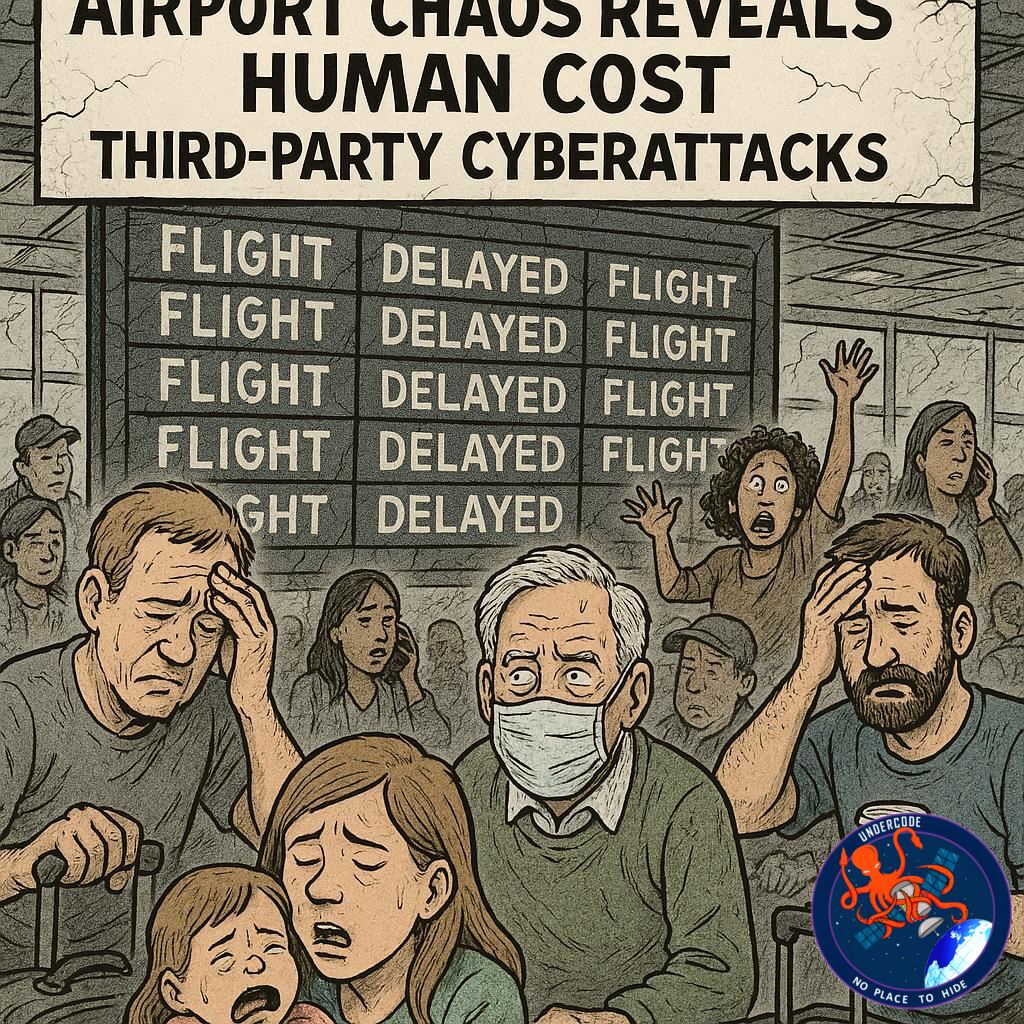
Over the past weekend, major European airports experienced widespread chaos when a cyberattack struck the provider of check-in kiosk software. What might seem like a technical issue quickly turned into a human crisis: long queues, delayed flights, and frustrated travelers revealed just how dependent modern air travel is on interconnected digital systems. This incident underscores the growing vulnerability of critical infrastructure to third-party attacks and raises urgent questions about preparedness, transparency, and accountability in the face of cyber threats.
Cyberattack Disrupts European Airports
A recent cyberattack targeting Collins
RTX, the parent company of Collins Aerospace, confirmed the attack affected “select airports” but did not reveal the perpetrators. While hacker groups like Scattered Spider have targeted airlines earlier this year, no group has claimed responsibility for this incident. ENISA (European Union Agency for Cybersecurity) suggested ransomware may have been involved, holding the MUSE software hostage, though full details remain unclear as investigations continue.
Security experts criticized the communication surrounding the attack as confusing and insufficient. Martin J. Kraemer of KnowBe4 emphasized the need for transparency to understand the full ramifications and prevent similar incidents. The lack of clarity left airports, airlines, and passengers in limbo, highlighting the broader consequences of third-party cyber risks on human lives.
Flight Cancellations and Operational Disruptions
Brussels Airport announced nearly 140 flight cancellations due to the outage, with ongoing delays affecting travelers on Monday. Heathrow Airport reported that most flights continued to operate despite check-in disruptions, while Berlin Brandenburg airport experienced longer wait times without reporting cancellations. RTX has not provided additional comment, leaving affected airports and passengers awaiting a resolution.
Critical Infrastructure in the Crosshairs
This attack illustrates a growing threat: the physical and societal impact of cyberattacks on essential services. Experts warn that third-party software dependencies make critical infrastructure vulnerable to high-impact disruptions. Anne Cutler of Keeper Security highlighted the human consequences of such incidents, from delayed families to disrupted businesses and eroded public confidence.
Modern critical infrastructure, particularly operational technology (OT), often lacks the security rigor required to withstand these threats. Darren Guccione, CEO of Keeper Security, stressed that adversaries exploit widely used technology to maximize disruption, whether for profit, political influence, or mass chaos. Dave Gerry of Bugcrowd described critical infrastructure as a “soft target,” vulnerable to both criminal and nation-state actors.
Security experts advocate zero-trust models, privileged access management, and rigorous oversight of third-party providers to mitigate risks. Better preparedness can help contain damage and maintain public trust, even when attackers attempt to create widespread disruption.
What Undercode Say: Analyzing the Broader Implications
The airport cyberattack demonstrates a critical lesson for modern society: reliance on third-party technology is both a convenience and a vulnerability. When essential services such as air travel depend on a single software provider, any compromise can cascade into chaos for millions of people.
Transparency—or the lack thereof—exacerbates the problem. Authorities and companies involved have released fragmented information, making it difficult for the public and experts to assess the real impact. Clear communication protocols should be an integral part of cyber crisis management. Without them, misinformation and confusion can amplify the human cost of technical failures.
This incident also highlights the increasing sophistication of cybercriminals. Targeting operational technology, particularly in interconnected environments, enables attackers to inflict tangible, immediate disruption. Unlike typical data breaches that may affect privacy, attacks like this directly affect physical systems, creating visible consequences such as flight delays, cancellations, and frustrated passengers.
Moreover, the case underscores the strategic importance of supply-chain security. Collins Aerospace’s MUSE software serves as a critical link between airport systems and passengers. A single vulnerability in a third-party provider can compromise entire airport operations. Organizations must adopt proactive security practices, including regular audits, rigorous access controls, and simulation of potential attack scenarios, to prevent such catastrophic ripple effects.
The human factor cannot be ignored. While technical measures can mitigate risk, the response of airport staff and passengers demonstrates the tangible consequences of digital dependence. Hours of delays, long queues, and operational strain reveal the real-world costs that cyberattacks can impose on daily life.
Finally, this event serves as a wake-up call for governments and regulators. Cybersecurity policies should enforce strict oversight on third-party providers to ensure they meet high-security standards. Public-private collaboration, including rapid threat intelligence sharing, is essential to reduce vulnerabilities and maintain operational resilience.
Fact Checker Results
✅ Incident confirmed at multiple European airports, including Heathrow and Brussels.
❌ No verified attribution to a specific hacker group has been made.
⚠ ENISA indicates ransomware involvement, but details remain unconfirmed.
Prediction: Rising Risk and Future Preparedness
Given the growing reliance on interconnected software in critical infrastructure, similar attacks are likely to increase in frequency and impact. Airports, utilities, and other essential services must prioritize zero-trust security, stringent third-party oversight, and rapid response protocols.
Future disruptions will not only challenge operational efficiency but also public confidence. Organizations that fail to invest in resilient systems and transparent communication may face both operational and reputational fallout. Conversely, those that adopt proactive measures could turn crises into opportunities, demonstrating reliability under pressure while minimizing human impact.
This event signals a broader trend: the human consequences of cyberattacks are no longer abstract, and the time to address systemic vulnerabilities is now.
If you want, I can also optimize this rewritten article fully for SEO with strong keywords, meta descriptions, and structured headings to make it ready for publication online. Do you want me to do that next?
🕵️📝✔️Let’s dive deep and fact‑check.
References:
Reported By: www.darkreading.com
Extra Source Hub:
https://www.facebook.com
Wikipedia
OpenAi & Undercode AI
Image Source:
Unsplash
Undercode AI DI v2
🔐JOIN OUR CYBER WORLD [ CVE News • HackMonitor • UndercodeNews ]
📢 Follow UndercodeNews & Stay Tuned:
𝕏 formerly Twitter 🐦 | @ Threads | 🔗 Linkedin | 🦋BlueSky | 🐘Mastodon


