
Listen to this Post
Introduction
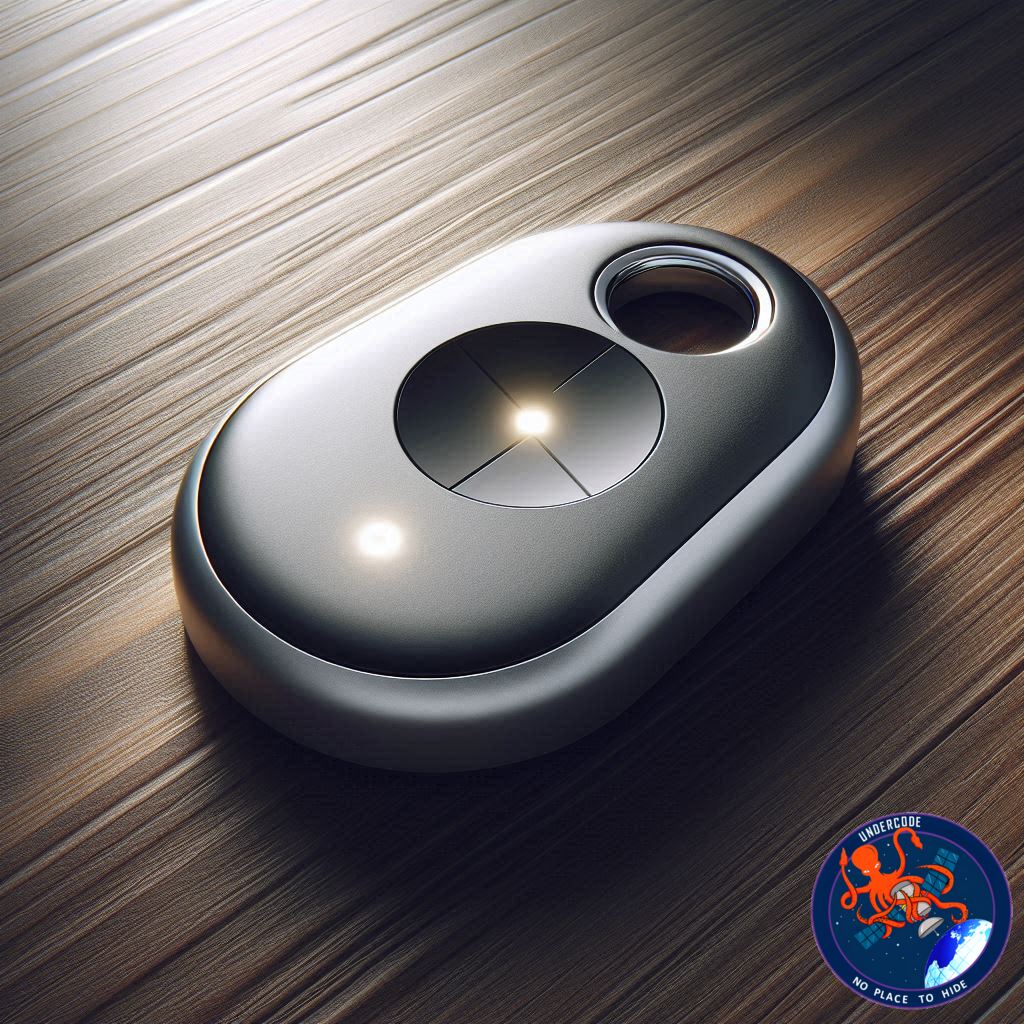
After years of minimal updates, Apple has finally unveiled AirTag 2, bringing a handful of subtle but meaningful improvements to its popular item tracker. At first glance, the new AirTag looks almost identical to the original model, but under the surface, Apple has refined key elements that directly affect real-world usability. Alongside enhanced Precision Finding, an extended Bluetooth range, and a louder speaker, one unexpectedly interesting change has emerged — Apple has altered the actual musical note of the AirTag’s alert sound. It’s a tiny tweak, but one with practical implications.
the Original
Apple’s newly released AirTag 2 introduces several incremental upgrades while maintaining nearly the same external design as its predecessor. The most noticeable improvements include a stronger Bluetooth range, improved Precision Finding accuracy, and a more powerful internal speaker designed to make lost items easier to locate. However, early buyers quickly noticed an unexpected change that Apple did not officially highlight.
One early adopter, Karagana, discovered that the AirTag’s audible alert tone has shifted upward in pitch. The original AirTag emitted a chime centered around the musical note F, while AirTag 2 now uses the note G. This observation was later confirmed by Macworld’s David Price, who verified the pitch difference using digital tools rather than a physical piano.
While the melody, rhythm, and tempo of the alert sound remain unchanged — featuring a short flourish followed by three sets of seven notes — the higher pitch makes the sound stand out more clearly. Although the increase in speaker power is difficult to detect in isolation, the pitch change alone helps the sound travel slightly better through ambient noise.
Within normal listening ranges, most users are expected to find the new alert tone marginally easier to hear over distance. The difference is subtle rather than dramatic, but it becomes noticeable when comparing the two versions side by side. A video demonstration highlights this change, allowing listeners to hear the higher pitch for themselves.
The rest of the article includes affiliate links to Apple accessories, AirTag holders, and unrelated tech products, along with a disclosure noting the use of income-earning affiliate links.
What Undercode Say:
Apple’s decision to adjust the AirTag’s alert pitch may seem trivial, but it reveals how deeply the company thinks about human perception. Higher-frequency sounds tend to cut through background noise more effectively, especially in environments filled with low-frequency clutter like traffic, conversations, or HVAC systems. By shifting from F to G, Apple subtly increases the chances that a lost AirTag will be heard without significantly increasing volume.
This move also aligns with Apple’s long-standing focus on accessibility and user experience rather than brute-force hardware changes. Instead of dramatically boosting speaker output — which could impact battery life — Apple opted for a psychoacoustic improvement. It’s a classic Apple strategy: refine perception rather than specs.
The unchanged melody structure suggests Apple wanted continuity, ensuring existing users instantly recognize the sound as “an AirTag,” while still benefiting from the tweak. This is important for muscle memory and user trust, especially for a product designed to reduce anxiety when something goes missing.
Interestingly, this change also has implications for anti-stalking features. A slightly more audible AirTag alert makes it easier for unintended trackers to be detected, reinforcing Apple’s privacy-first positioning. While Apple hasn’t marketed the pitch shift as a safety improvement, it indirectly supports that narrative.
From a market perspective, AirTag 2 is a conservative update, but that may be intentional. Apple appears to be treating AirTag as a mature product category, focusing on refinements rather than reinvention. The pitch change is symbolic of that philosophy — small, calculated, and grounded in real-world usage rather than flashy specs.
Ultimately, AirTag 2 demonstrates that even the smallest design decisions can carry outsized impact. For users who rely on AirTags daily — travelers, photographers, or anyone prone to misplacing keys — these micro-improvements collectively add up to a noticeably better experience.
Fact Checker Results
The AirTag 2 launch and hardware upgrades are confirmed.
The pitch change from note F to G has been independently verified.
No evidence contradicts claims about improved audibility within normal range.
Prediction
AirTag 2 will likely reinforce Apple’s dominance in the item-tracking market rather than expand it. Future updates may focus more on software intelligence and safety features than hardware redesigns, with sound optimization continuing to play a quiet but crucial role.
🕵️📝✔️Let’s dive deep and fact‑check.
References:
Reported By: 9to5mac.com
Extra Source Hub (Possible Sources for article):
https://www.discord.com
Wikipedia
OpenAi & Undercode AI
Image Source:
Unsplash
Undercode AI DI v2
Bing
🔐JOIN OUR CYBER WORLD [ CVE News • HackMonitor • UndercodeNews ]
📢 Follow UndercodeNews & Stay Tuned:
𝕏 formerly Twitter 🐦 | @ Threads | 🔗 Linkedin | 🦋BlueSky | 🐘Mastodon


