
Listen to this Post
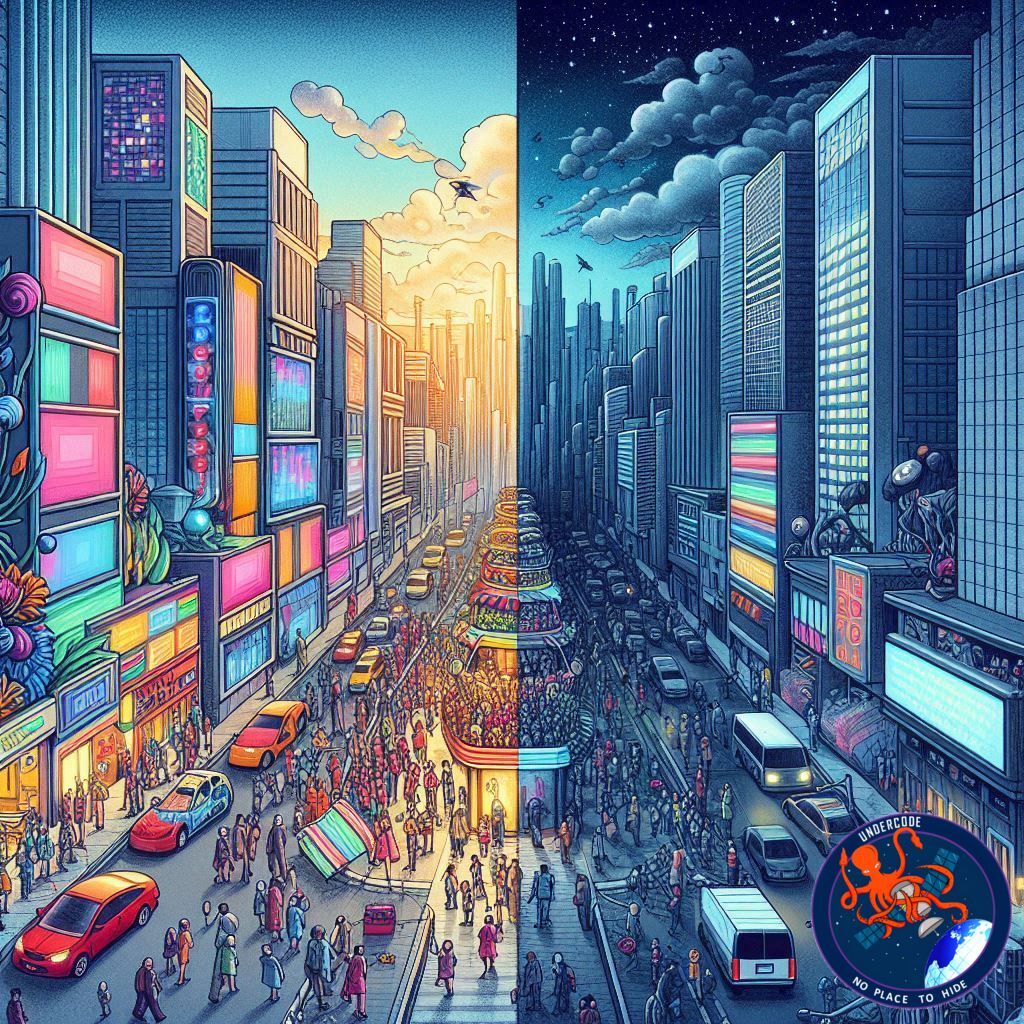
Introduction
The dream of a modern productivity miracle is spreading fast. As artificial intelligence accelerates, many optimists insist we are standing at the threshold of another golden era, something reminiscent of the late 1990s when technology powered growth, prices stayed calm, jobs were plentiful, and interest rates barely budged. It is a tempting comparison, especially for policymakers desperate for signs that AI could solve the inflationary and demographic pressures weighing on the global economy.
But history rarely repeats itself cleanly. Beneath the surface of today’s AI excitement sits an economic landscape that looks far more fragile, more constrained, and more complex than the world of the 1990s. The forces that once pushed inflation down and opened the doors to endless job creation are now moving in reverse. And while AI could indeed unlock extraordinary productivity, the path may be far more turbulent, with sharper job displacement and slower institutional response.
Here is a deep look at why many leading economists warn that today’s AI movement may not produce the smooth, inflation-free boom so many hope for.
Main Summary
In the late 1990s, a wave of digital innovation reshaped the global economy, boosting productivity across industries and allowing growth to accelerate despite low inflation. Technology helped companies operate faster and more efficiently. When combined with low interest rates, abundant labor, and rapidly expanding globalization, the result was an era that many remember as an economic sweet spot. Some observers believe today’s rise of artificial intelligence could recreate those conditions, sparking another age of prosperity.
But economists argue that today’s foundations are very different. The disinflation of the 1990s did not emerge from technology alone. It was amplified by demographic strength and global integration. The baby boom generation was entering its peak working years, adding millions of new workers to the labor force. The share of American women participating in the workforce was still growing quickly. Immigration was robust, adding even more supply. These factors kept wages and prices stable as technology transformed business operations.
Globalization was accelerating. Manufacturing moved abroad, supply chains stretched across continents, and imported goods became dramatically cheaper. This global competition acted as a powerful drag on inflation, helping keep consumer prices down even as demand surged.
Today, these forces are reversing. Baby boomers are retiring in massive numbers, shrinking the labor pool. Female labor participation has plateaued. Immigration is tighter and more politically contested. Tariffs and protectionist trade policies are pushing the cost of imported goods upward instead of downward. As Matthew Luzzetti of Deutsche Bank notes, the forces that once lowered inflation have flipped. Trade policy now lifts price pressures, and aging populations create labor shortages rather than surpluses.
At the same time, AI’s rollout could cause deeper disruptions. The technology is advancing quickly, faster than previous waves, and many corporate leaders predict widespread job displacement. Unlike the 1990s, when digital innovation eliminated roles slowly enough for new industries to absorb displaced workers, AI could destroy certain job categories faster than new ones emerge. Economists worry about a painful adjustment period, where job destruction occurs at high speed while job creation lags behind.
In the 1990s, displaced workers found new opportunities in newly formed tech-driven fields. The internet killed travel agents, but created digital marketing specialists, web developers, and countless other roles. The transition, while uneven, was manageable because the pace of change was moderate. AI, according to Federal Reserve governor Christopher Waller, is following a pattern of “ever-faster adoption.” This creates a risk: the disruptions come first, and the benefits take much longer.
Many policymakers, including some associated with the Trump administration, have invoked the 1990s as a hopeful blueprint. But that economic miracle relied not only on technology, but also on a world that was younger, more globalized, and more politically open to trade and immigration. Today’s economic backdrop is structurally tighter, more inflation-prone, and less equipped to absorb rapid technological upheaval.
The bottom line is clear: the AI era may bring extraordinary long-term gains, but the journey could be bumpier, more inflationary, and more socially disruptive than the smooth expansion of the 1990s.
What Undercode Say:
The comparison between the 1990s digital revolution and the current AI wave is both compelling and misleading. On the surface, both moments involve transformative technologies promising to reshape productivity. But the real engine of any economic boom lies not only in innovation, but in the ecosystem that surrounds it.
During the 1990s, technology flourished because it sat atop ideal conditions. A massive workforce, strong demographics, falling global barriers, and low-cost imports created a cushion that absorbed technological shocks. Workers replaced by computers could shift into new roles because the labor market was expanding, not contracting. It was a moment when creativity, demographics, and global openness aligned.
Today those supports are gone. AI is arriving in a world defined by aging populations, geopolitical tension, deglobalization, and persistent inflation. This means productivity gains may struggle to overpower structural price pressures. Even if AI increases efficiency, shortages in labor, raw materials, and global supply may keep inflation sticky. Unlike the 1990s, technology might fight uphill against broader macroeconomic trends.
Another critical factor is the pace of adoption. The internet took decades to reshape the economy. AI is advancing in months. Fast adoption means fast disruption. The jobs most vulnerable to AI—customer service, administrative roles, basic content creation, data processing—are among the largest employment categories in modern economies. If displacement happens quickly, millions may face unemployment or forced reskilling in a compressed time frame. Without strong governmental and corporate support, the transition could become socially destabilizing.
Yet the long-term opportunity remains enormous. AI could unlock vast productivity, especially in sectors that have resisted digital transformation: healthcare, education, logistics, energy. If productivity growth accelerates meaningfully, the economic payoff could mirror the 1990s—but only after a turbulent adjustment.
The key unknown is whether policymakers can build a modern framework that supports workers through rapid transition. Immigration reform, reskilling programs, smarter trade policy, and safety nets will determine whether AI becomes a driver of prosperity or a catalyst for economic instability.
In essence, AI is a powerful engine, but today’s economic vehicle has worn-out tires. The technology might take us far, but only if the underlying structure is repaired.
🔍 Fact Checker Results
Claims about demographic reversal and aging workforce align with current labor statistics. ✅
Assertions about AI-driven job displacement are predictions, not established outcomes. ❌
Comparisons to the 1990s are historically accurate, though conditions differ sharply today. ✅
📊 Prediction
AI will push productivity higher, but the economic cycle may feel more chaotic before it becomes beneficial. ⚠️
Inflation is likely to remain stubborn without structural labor and trade reforms. 📈
Long-term growth potential remains strong, but the transition could be socially and politically volatile. 🔮
🕵️📝✔️Let’s dive deep and fact‑check.
References:
Reported By: axioscom_1763592151
Extra Source Hub (Possible Sources for article):
https://www.digitaltrends.com
Wikipedia
OpenAi & Undercode AI
Image Source:
Unsplash
Undercode AI DI v2
Bing
🔐JOIN OUR CYBER WORLD [ CVE News • HackMonitor • UndercodeNews ]
📢 Follow UndercodeNews & Stay Tuned:
𝕏 formerly Twitter 🐦 | @ Threads | 🔗 Linkedin | 🦋BlueSky | 🐘Mastodon


