
Listen to this Post
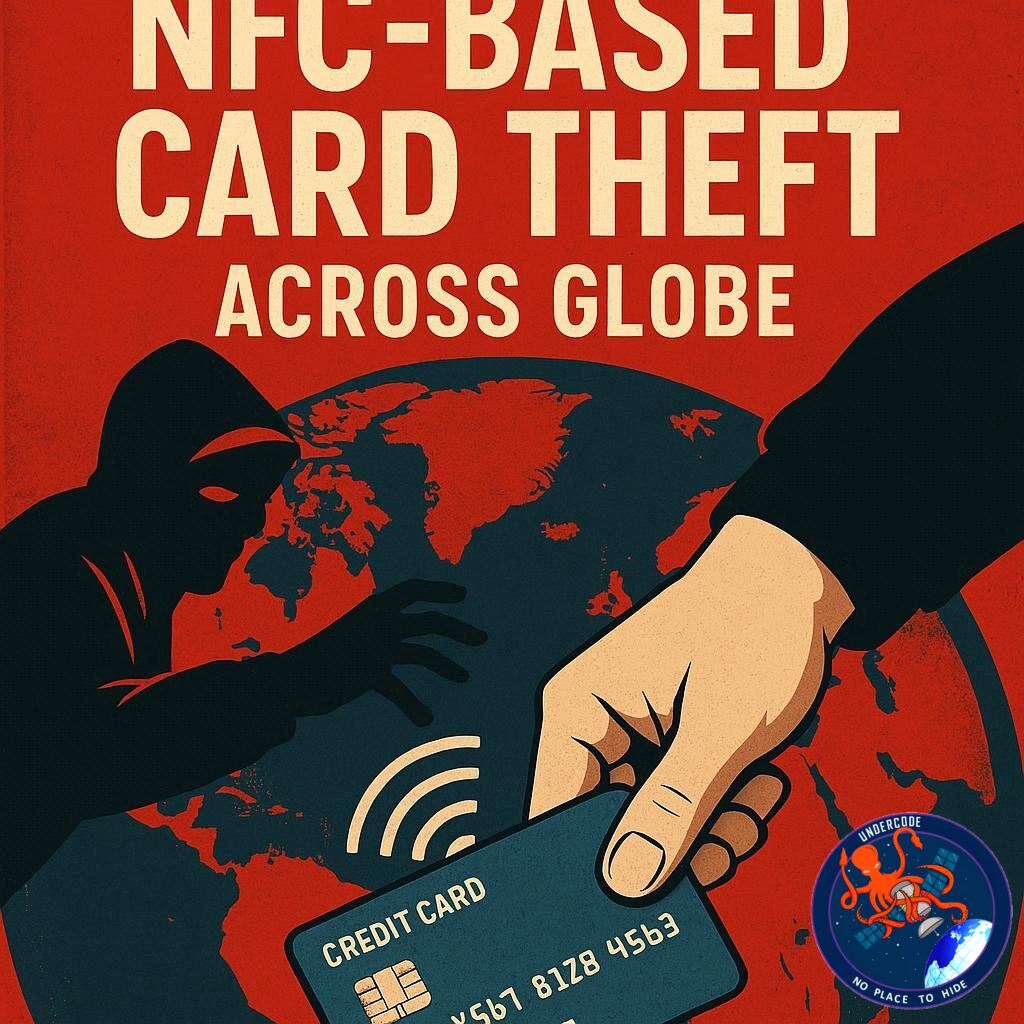
The digital world is facing a new wave of financial threats as cybercriminals exploit everyday technologies in increasingly sophisticated ways. Since April 2024, over 760 Android applications have been discovered stealing sensitive payment card information using NFC (Near Field Communication) and HCE (Host Card Emulation) technologies. This alarming trend spans multiple countries, including Russia, Poland, and Brazil, highlighting a global vulnerability in mobile payment systems. By mimicking legitimate banking apps and services, these malicious programs have successfully deceived countless users, emphasizing the urgent need for enhanced cybersecurity awareness and safeguards.
The Scope of the NFC/HCE Card Theft Epidemic
According to recent reports, these fraudulent Android apps have targeted EMV (Europay, MasterCard, and Visa) card data by abusing NFC and HCE functionalities. Attackers set up over 70 command-and-control (C2) servers to manage their operations remotely. In addition, they leveraged Telegram channels to coordinate, distribute malware, and communicate with victims. Prominent financial brands, including Tinkoff and Google Pay, were impersonated, amplifying the scam’s credibility and widening its impact.
This campaign reflects a highly organized cybercrime network, capable of adapting to global financial technologies and exploiting weaknesses in mobile platforms. Users interacting with NFC-enabled apps or unfamiliar banking tools face heightened risk, as attackers can capture and transmit sensitive card data silently. The multi-country reach of this campaign—spanning Russia, Poland, Brazil, and potentially other regions—demonstrates the international scope of mobile financial fraud today.
Experts note that the attack combines technical ingenuity with social engineering. The apps appear authentic, featuring logos and UI designs that replicate official banking applications. Victims are lured by the promise of financial management tools, cashback, or rewards programs, only to unknowingly expose their card credentials.
How Attackers Exploit NFC and HCE
Near Field Communication allows mobile devices to communicate with payment terminals by simply tapping or bringing devices close together. HCE, meanwhile, enables mobile apps to emulate physical payment cards without the need for a secure hardware element. While both technologies offer convenience, they also open doors for hackers who embed malicious code within seemingly legitimate apps. Once a device interacts with such an app, EMV card information can be captured, stored, and transmitted to remote servers without the user noticing.
The sheer volume—760+ malicious apps—is staggering, revealing the industrial-scale nature of these attacks. Each app acts as a potential entry point, meaning even cautious users can fall victim if the apps appear trustworthy. Moreover, the decentralized nature of C2 servers and Telegram channels makes it challenging for authorities to trace operations and shut down the network efficiently.
Regional Impacts and Financial Implications
While Russia, Poland, and Brazil are explicitly mentioned, cybersecurity analysts warn that similar attacks could spread to other countries with high adoption rates of NFC-based mobile payments. The financial damage is difficult to quantify but potentially immense. EMV card theft not only results in direct monetary losses for consumers but also undermines trust in digital banking ecosystems. Banks and mobile payment providers must adopt proactive monitoring and implement stricter app verification protocols to prevent such breaches.
What Undercode Say:
The rise of NFC/HCE card theft signals a critical shift in cybercrime strategy. Traditional phishing and malware attacks are evolving into hybrid schemes that combine hardware-level vulnerabilities with social engineering, targeting the very convenience features that users rely on. This trend underscores the need for a multi-layered approach to mobile security. Users must remain vigilant about the apps they download, particularly those requesting NFC access or banking credentials.
From a technical standpoint, the exploitation of HCE highlights a fundamental challenge: convenience versus security. Mobile payments are designed to simplify transactions, but in doing so, they create attack surfaces that are difficult to monitor. Cybercriminals now treat NFC-capable smartphones as portable card skimmers, capable of executing attacks on a massive scale without leaving physical traces.
Moreover, the use of Telegram for command and control illustrates the intersection of cybercrime and social platforms. Unlike traditional malware servers, these channels provide real-time interaction with victims, enabling criminals to adapt campaigns quickly. The decentralized and encrypted nature of Telegram complicates law enforcement efforts, necessitating international collaboration to track and mitigate threats.
Financial institutions must also rethink authentication strategies. While multi-factor authentication and tokenization can reduce risk, they are not foolproof against malware designed to emulate payment processes. Education campaigns targeting end-users—informing them about app authenticity checks and safe NFC usage—are critical.
This incident also serves as a warning for developers. Apps requesting NFC or HCE access should be scrutinized by app stores and independent security auditors before public release. Implementing anomaly detection, behavioral monitoring, and transaction verification could mitigate risks associated with such fraud.
In conclusion, the NFC/HCE card theft wave is a stark reminder that technological convenience carries inherent risks. The balance between usability and security remains a moving target, and both users and institutions must adapt rapidly. The threat is not hypothetical—it’s active, widespread, and evolving. Vigilance, education, and technological safeguards will be key to defending against this emerging class of financial cybercrime.
Fact Checker Results:
✅ 760+ Android apps targeting EMV cards confirmed.
✅ Attacks leveraged 70+ C2 servers and Telegram channels.
❌ No evidence suggests these attacks have fully penetrated all global NFC users yet.
Prediction:
📈 NFC/HCE-based financial fraud will continue to expand, likely targeting more countries and banking platforms by 2026. Mobile payment security features may evolve with stronger app verification and real-time transaction monitoring, but attackers will simultaneously innovate faster than defenses. Enhanced user education will become a frontline defense in combating these cybercrime strategies.
🕵️📝✔️Let’s dive deep and fact‑check.
References:
Reported By: x.com
Extra Source Hub (Possible Sources for article):
https://www.linkedin.com
Wikipedia
OpenAi & Undercode AI
Image Source:
Unsplash
Undercode AI DI v2
Bing
🔐JOIN OUR CYBER WORLD [ CVE News • HackMonitor • UndercodeNews ]
📢 Follow UndercodeNews & Stay Tuned:
𝕏 formerly Twitter 🐦 | @ Threads | 🔗 Linkedin | 🦋BlueSky | 🐘Mastodon


