
Listen to this Post
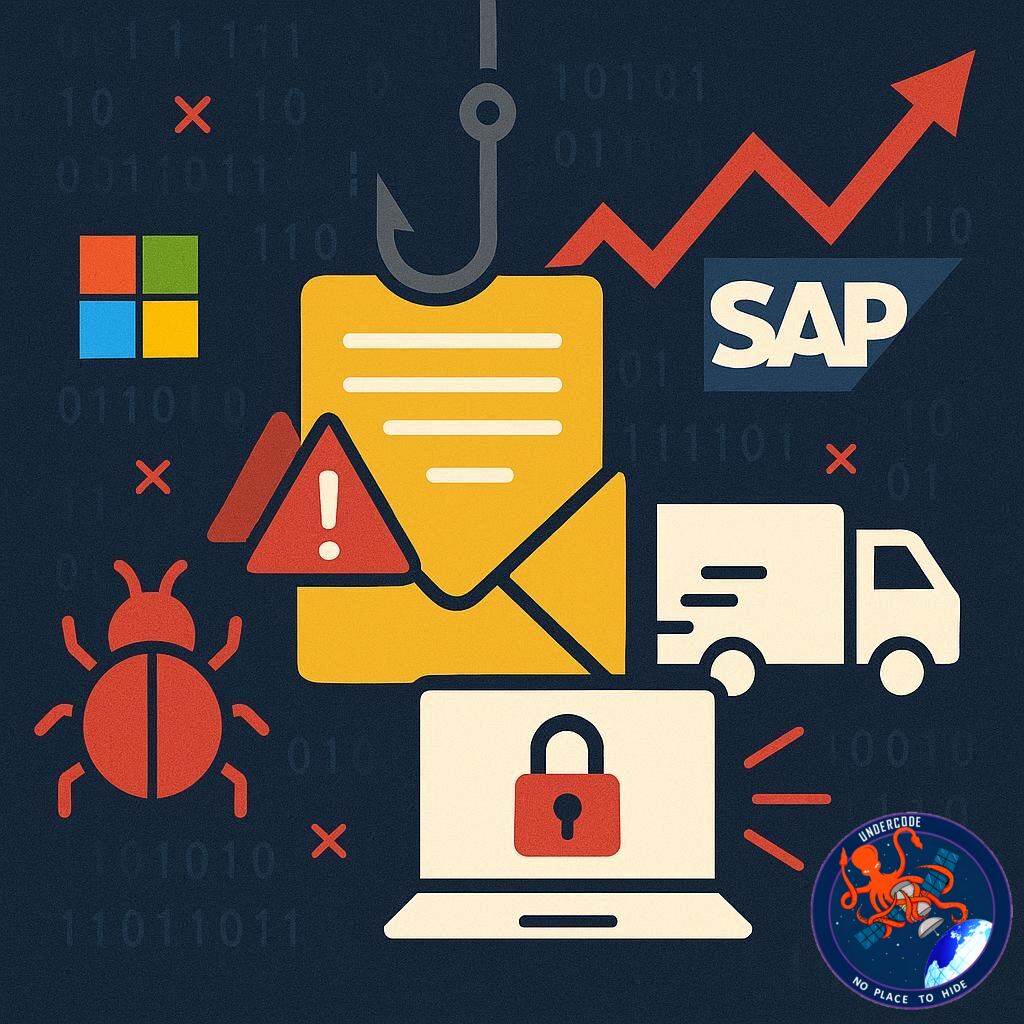
In the ever-evolving landscape of cybersecurity, April 2026 has seen a spike in sophisticated attacks exploiting both individual and corporate vulnerabilities. Threat actors are leveraging compromised vendor accounts and malicious code in software packages to infiltrate networks, steal credentials, and manipulate users into providing sensitive information. These incidents underscore the increasing complexity of cybercrime and the urgent need for enhanced digital defenses.
Recent Cybersecurity Breaches
On April 9, 2026, cybercriminals exploited a compromised vendor mailbox along with the sharing features of Kuse.ai to distribute a phishing Markdown document. This malicious file redirected unsuspecting users to a fake Microsoft login page, aiming to harvest credentials. The attack highlights the growing trend of combining social engineering with technical exploits, targeting trusted services to bypass security measures.
In another alarming incident, official SAP npm packages—including @cap-js/sqlite, @cap-js/postgres, @cap-js/db-service, and mbt—were compromised by the hacker group TeamPCP. The attackers embedded a malicious preinstall script within these packages, which operates via a Bun runtime loader to steal developer and continuous integration (CI) credentials. This supply chain attack in Germany emphasizes the vulnerabilities in software distribution channels and the risks posed to enterprises relying on third-party dependencies.
Both attacks reveal a strategic shift in cybercrime: exploiting high-trust platforms and software ecosystems to maximize reach and damage. The phishing campaign leverages social engineering and user trust, while the SAP npm compromise targets technical workflows, threatening the integrity of enterprise operations on a large scale.
What Undercode Says: Analyzing the Implications
Growing Sophistication in Phishing Techniques
These incidents illustrate how attackers are refining their methods, combining technical exploits with psychological manipulation. By using familiar platforms like Kuse.ai and mimicking Microsoft login pages, they increase the likelihood of credential theft. Enterprises must prioritize user awareness and multi-factor authentication to mitigate these risks.
Supply Chain Vulnerabilities Exposed
The SAP npm package compromise signals that attackers are increasingly targeting the supply chain. Preinstall scripts in widely used software packages allow malicious actors to access sensitive developer and CI credentials. This poses a systemic threat, where a single compromised package can propagate across thousands of projects globally.
Implications for Enterprise Security
Organizations must implement stringent package verification, code signing, and dependency scanning. Traditional endpoint security alone is insufficient against such indirect attacks. Companies that rely on third-party libraries and vendor services need to adopt proactive monitoring for suspicious behavior.
International and Regulatory Considerations
Supply chain attacks like these raise questions about global cybersecurity standards and regulations. Governments and regulatory bodies may increase scrutiny over software dependencies, and companies could face legal and financial consequences if breaches occur through compromised packages.
Need for Continuous Threat Intelligence
Monitoring sources like threat research feeds and social media alerts (e.g., X posts from @TweetThreatNews) is crucial for real-time response. Threat intelligence sharing between companies and cybersecurity communities can help preempt attacks and limit damage.
Economic and Operational Risks
Credential theft from phishing and supply chain attacks can lead to direct financial losses, ransomware incidents, and reputational damage. Companies may incur costs associated with remediation, incident response, and customer trust recovery.
Long-Term Security Culture Shift
These attacks are pushing organizations to rethink security from a holistic perspective—considering not only endpoint protection but also third-party risk management, developer training, and organizational vigilance.
Lessons for Developers and IT Teams
Developers must exercise caution when incorporating third-party packages and enable automated scanning tools to detect suspicious code. IT teams should enforce strict CI/CD pipeline security to prevent compromised scripts from infiltrating production systems.
The Role of Advanced Technologies
Emerging solutions like AI-driven threat detection, behavioral analytics, and automated incident response systems can play a significant role in identifying unusual activity in real-time, mitigating both phishing and supply chain threats.
Cybercrime Trends to Watch
The incidents highlight a trend where attackers combine social engineering with technical exploits. Future attacks may increasingly target collaborative platforms and software dependencies simultaneously, creating multi-vector threats.
Organizational Preparedness
Companies should invest in security drills, simulated phishing campaigns, and threat hunting exercises. A culture of cybersecurity awareness combined with technical safeguards is the most effective defense against sophisticated attackers.
Collaborative Defense Strategies
Public-private partnerships, industry-wide information sharing, and collaboration with cybersecurity research organizations can help create early warning systems and countermeasures against emerging threats.
Emphasis on Rapid Response
Quick detection and response are vital. Delays in identifying compromised packages or phishing campaigns can exponentially increase the impact, emphasizing the need for automated monitoring and alerting mechanisms.
Future-Proofing Cybersecurity Practices
As attackers innovate, organizations must stay ahead by adopting agile cybersecurity strategies, integrating continuous learning, and leveraging threat intelligence to anticipate potential attack vectors.
Psychological Aspects of Cybersecurity
Human factors often remain the weakest link. Employee training, awareness programs, and regular security audits are critical to reduce susceptibility to phishing and social engineering attacks.
Industry-Specific Risks
Sectors heavily reliant on software ecosystems, such as finance, healthcare, and manufacturing, face disproportionate exposure to supply chain attacks. Tailored strategies for these industries are essential.
Impacts on Open-Source Ecosystems
The compromise of npm packages raises broader concerns for the open-source community, highlighting the importance of rigorous oversight, code reviews, and community-driven safeguards.
Cybersecurity Investment Imperatives
The rising complexity of attacks necessitates increased investment in cybersecurity infrastructure, tools, and human resources. Organizations that underinvest may face escalating risks and higher recovery costs.
Building Resilience
Resilience involves both prevention and rapid containment. Organizations must adopt layered defense strategies, integrate threat intelligence, and foster a security-conscious culture across all departments.
Strategic Lessons for Leadership
Executives must understand cybersecurity as a strategic risk, not just a technical challenge. Decision-making should include risk assessment, resource allocation, and proactive engagement with threat intelligence communities.
The Role of Automation
Automation in vulnerability scanning, patch management, and anomaly detection reduces human error and accelerates response times, mitigating both phishing and supply chain risks.
The Human Element
Despite technological solutions, human vigilance remains irreplaceable. Regular updates, awareness campaigns, and strict adherence to security protocols are essential.
Global Implications
Cyberattacks on widely used platforms can have international repercussions, affecting cross-border commerce, supply chains, and even geopolitical stability.
Conclusion
These attacks highlight the evolving sophistication of cybercrime, targeting both human behavior and software supply chains. A multi-layered defense strategy, combining technical safeguards, human vigilance, and proactive threat intelligence, is essential for mitigating these emerging risks.
🔍 Fact Checker Results
✅ Phishing campaign exploited Kuse.ai to redirect users to a fake Microsoft login page.
✅ SAP npm packages were compromised with a malicious preinstall script targeting developer credentials.
❌ No evidence of direct financial losses reported from these specific attacks yet.
📊 Prediction
Cybercrime targeting software supply chains and phishing campaigns is likely to escalate throughout 2026. Organizations that fail to strengthen third-party risk management, enforce multi-factor authentication, and implement automated monitoring tools will face significant exposure. Threat actors may increasingly combine social engineering and technical exploits, creating more complex, multi-layered attacks across both enterprise and open-source ecosystems.
🕵️📝Let’s dive deep and fact‑check.
References:
Reported By: x.com
Extra Source Hub (Possible Sources for article):
https://stackoverflow.com
Wikipedia
OpenAi & Undercode AI
Image Source:
Unsplash
Undercode AI DI v2
Bing
🔐JOIN OUR CYBER WORLD [ CVE News • HackMonitor • UndercodeNews ]
📢 Follow UndercodeNews & Stay Tuned:
𝕏 formerly Twitter 🐦 | @ Threads | 🔗 Linkedin | 🦋BlueSky | 🐘Mastodon


