
Listen to this Post
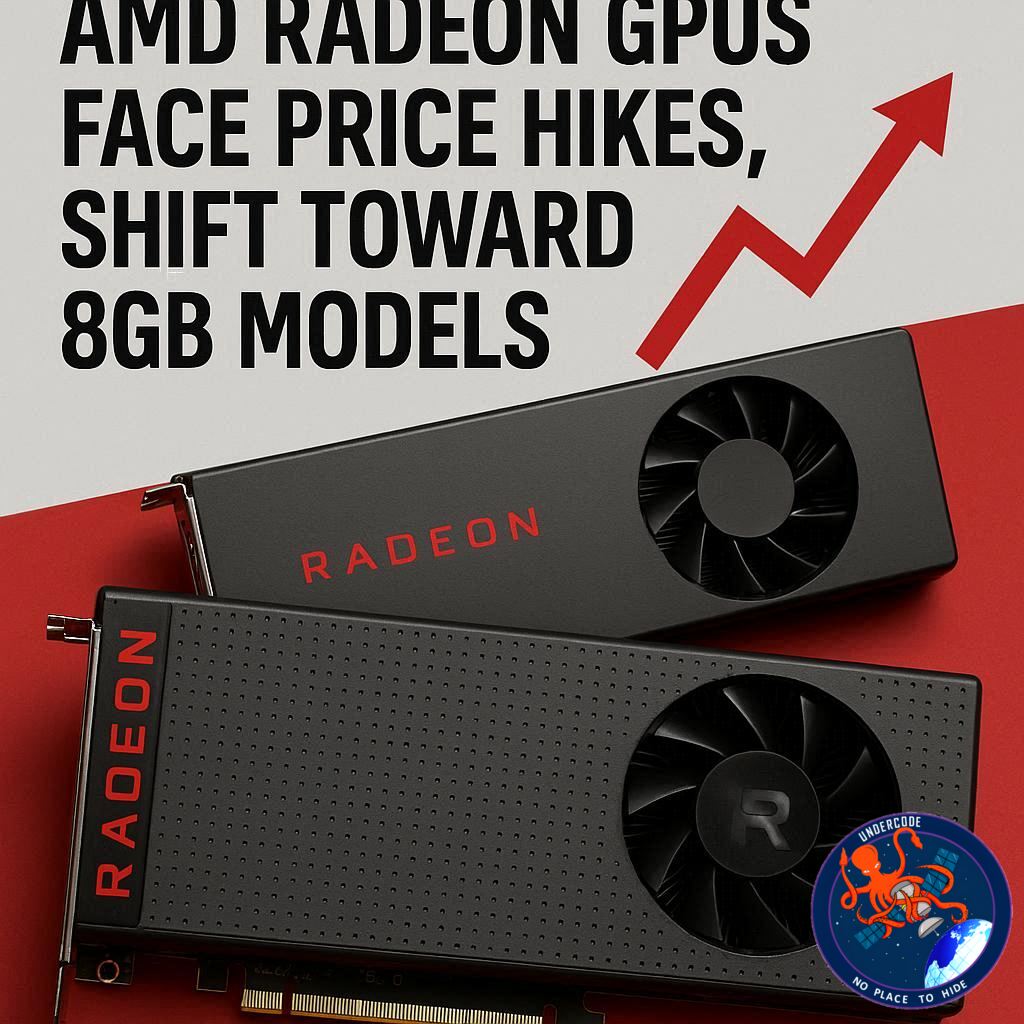
The GPU market is bracing for another potential shake-up as AMD reportedly plans further price increases for its Radeon graphics cards and may shift production focus toward 8GB models rather than higher-capacity 16GB GPUs. These developments come amid ongoing VRAM pricing pressures and rising costs in the broader semiconductor supply chain, signaling that gamers and PC builders could face higher bills and limited options in 2026.
Rising GPU Prices on the Horizon
Rumors emerging from Asian supply chain sources, particularly via China’s Board Channels, suggest that AMD graphics card makers may implement another price hike as early as this month or in March. This follows a 5–10% increase in January, reflecting ongoing inflation in GPU components and competitive pricing pressures relative to Nvidia’s offerings. The exact scale of the expected increases remains unclear, but analysts anticipate that AMD’s Radeon GPUs will align more closely with comparable Nvidia models in pricing.
Shift to 8GB Models
Alongside price adjustments, AMD is reportedly adjusting its production strategy to favor 8GB GPUs. Specifically, the RX 9060 XT 8GB and the RX 7650 GRE are expected to see higher production levels, while their 16GB counterparts may receive reduced emphasis. The RX 7650 GRE, primarily available in Asia, is a modestly upgraded variant of the RX 7600, highlighting AMD’s subtle shift toward prioritizing more mainstream VRAM configurations that balance performance and cost.
The VRAM Debate and Market Realities
The trend toward 8GB models raises questions about future-proofing, as modern games increasingly demand higher memory capacities. While some gamers remain skeptical about 8GB sufficiency, AMD’s approach mirrors Nvidia’s strategy with GPUs like the RTX 5060 Ti, available in both 8GB and 16GB versions. Cost pressures, driven by the global RAM shortage, appear to be the main driver behind these decisions, as higher-capacity cards are becoming increasingly expensive for consumers.
Current Pricing Landscape
For context, the RX 9060 XT 16GB currently retails at around $440 in the US, nearly $100 above its launch price of $349 last year. Comparatively, the RTX 5060 Ti 16GB maintains an $80 gap over AMD’s GPU, consistent with their launch price differential. These trends reinforce the idea that AMD is adjusting prices to track Nvidia’s mark-ups, creating a more uniform high-end GPU market amid constrained supply.
What Undercode Say:
AMD’s rumored pivot toward 8GB GPUs is a strategic response to both economic and technological pressures. As VRAM prices remain high, prioritizing 8GB models allows AMD to maintain competitive pricing while avoiding overproduction of expensive 16GB cards that may face slower demand. This strategy could also streamline manufacturing, reduce inventory risk, and better align with mainstream gaming requirements.
The decision to potentially hike prices further is unsurprising. Despite signs of stabilization in the RAM market, component costs are still elevated and likely to persist through early 2026. Consumers seeking high-capacity GPUs may face difficult choices—either purchasing now before prices rise or delaying until supply and cost conditions improve. This scenario mirrors trends in the PC hardware market over the past decade, where supply chain fluctuations have directly influenced both retail prices and production priorities.
AMD’s alignment with Nvidia pricing strategies also reflects broader competitive dynamics. By keeping Radeon prices in line with equivalent Nvidia GPUs, AMD preserves perceived value while mitigating margin losses in a high-cost environment. The move toward 8GB models may further appeal to budget-conscious gamers and OEMs, as these cards balance cost, performance, and energy efficiency.
From a long-term perspective, AMD’s approach could signal a larger industry trend where mid-range GPUs become the mainstay for consumers, while ultra-high VRAM cards remain niche products for enthusiasts. This may also influence software optimization, as developers adapt to the majority of players using 8GB configurations. Additionally, the shift may accelerate interest in technologies like GPU memory compression, intelligent VRAM allocation, and cloud-based gaming solutions that reduce dependency on large local memory pools.
For gamers, the current landscape suggests careful planning. With price volatility expected to continue, securing a GPU now could be advantageous, particularly for those seeking 16GB models before potential stock reductions and price increases. Conversely, mid-range 8GB GPUs may become the default choice for most users, offering adequate performance for modern games without the premium cost of higher VRAM variants.
Overall, AMD’s rumored strategy reflects the tension between technological advancement, market demand, and production realities. While 16GB GPUs remain appealing for future-proofing, economic constraints and component scarcity are forcing manufacturers to make pragmatic decisions. As both AMD and Nvidia navigate these challenges, consumers are likely to see a recalibrated GPU market with a heavier emphasis on efficiency, cost-effectiveness, and mainstream accessibility.
Fact Checker Results:
✅ AMD GPU price hikes have been reported by multiple supply chain sources.
✅ 8GB Radeon GPUs are reportedly prioritized over 16GB models.
❌ Specific pricing and launch dates are unconfirmed and based on rumors.
Prediction:
📊 In 2026, expect mainstream 8GB GPUs to dominate AMD’s production lines, with 16GB cards becoming limited and premium-priced. Prices for Radeon GPUs may continue to rise modestly, closely tracking Nvidia’s offerings, while supply chain pressures keep high-VRAM models scarce. Enthusiasts might increasingly turn to second-hand markets or wait for mid-year stabilization for better deals.
🕵️📝✔️Let’s dive deep and fact‑check.
References:
Reported By: www.techradar.com
Extra Source Hub (Possible Sources for article):
https://www.digitaltrends.com
Wikipedia
OpenAi & Undercode AI
Image Source:
Unsplash
Undercode AI DI v2
Bing
🔐JOIN OUR CYBER WORLD [ CVE News • HackMonitor • UndercodeNews ]
📢 Follow UndercodeNews & Stay Tuned:
𝕏 formerly Twitter 🐦 | @ Threads | 🔗 Linkedin | 🦋BlueSky | 🐘Mastodon


