
Listen to this Post
Introduction: A Digital Alarm Bell Rings in Alaska
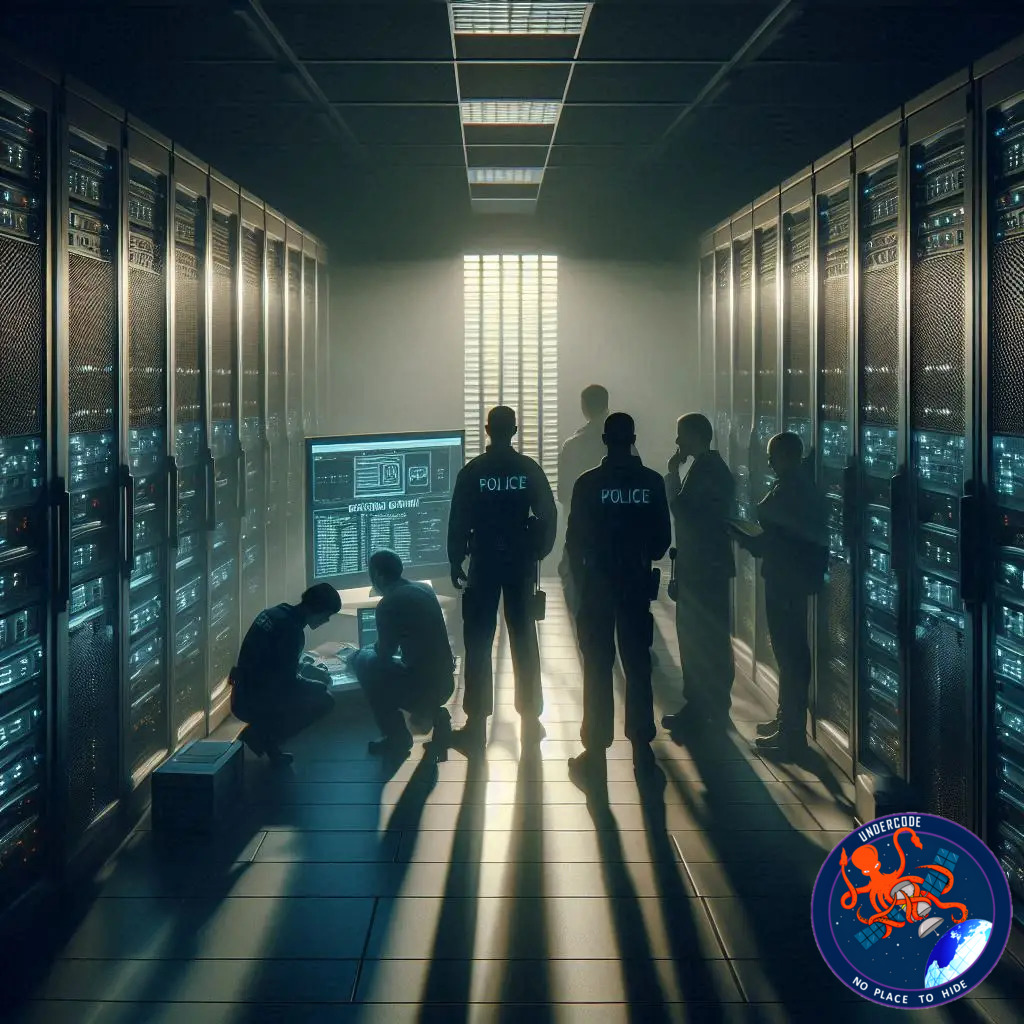
In a world where cyberattacks strike without warning, even law enforcement agencies are no longer immune. This week, Anchorage Police Department (APD) confirmed it had temporarily shut down select servers and severed vendor access after a cybersecurity incident involving a third-party service provider. While officials insist no data breach has been detected, the move raises serious questions about digital vulnerabilities inside government infrastructure. With cyber threats escalating worldwide, this incident is another stark reminder that no system is truly bulletproof.
the Original
Background of the Incident
Anchorage Police Department discovered a cybersecurity incident linked to a third-party vendor responsible for a software upgrade. The breach did not originate from APD’s internal systems but rather from an external service provider involved in maintaining their digital infrastructure.
Immediate Response Measures
Upon learning about the potential threat, APD quickly shut down select servers to prevent any possible spread of malicious activity. They also terminated access for the third-party vendor as a precautionary measure.
Official Statement from Authorities
Law enforcement officials emphasized that the action was taken out of an abundance of caution. Their primary objective was to protect sensitive data and preserve system integrity.
No Evidence of Data Breach
According to internal assessments, there is currently no evidence suggesting that personal data, criminal records, or internal documents were compromised during the incident.
Ongoing Monitoring
APD confirmed that cybersecurity teams are continuously monitoring systems to detect any abnormal activity. Digital forensic investigations are also underway.
Vendor Under Scrutiny
The third-party provider responsible for the software upgrade is now under review. Authorities are evaluating whether the company followed proper cybersecurity protocols.
Transparency and Public Trust
APD reassured the public that transparency remains a priority. Officials pledged to release updates if new information emerges.
Cybersecurity in Law Enforcement
This event highlights the growing risks law enforcement agencies face as they become more digitally dependent.
Industry-Wide Implications
Experts suggest this incident could serve as a wake-up call for government agencies nationwide to reassess vendor security standards.
Preventative Actions
APD is reportedly strengthening internal cybersecurity procedures to avoid future risks.
External Audits
Cybersecurity specialists may be brought in to conduct independent audits on APD’s systems.
Public Reactions
Residents expressed mixed reactions, with some praising APD’s swift action and others concerned about possible hidden risks.
Media Coverage
Cybersecurity News Everyday first broke the story, amplifying it across social media platforms.
Investigation Timeline
The incident occurred during a routine software upgrade, emphasizing how even standard procedures can pose risks.
Broader Cyber Threat Landscape
Ransomware and data breaches are becoming increasingly common across public and private sectors.
Lessons Learned
Security experts stress that third-party risk management is just as critical as internal cybersecurity defenses.
Government Responsibility
Public agencies are urged to adopt stricter compliance standards for external vendors.
Digital Resilience
The situation underscores the importance of digital resilience planning.
Future Safeguards
APD is expected to implement new monitoring tools and vendor screening processes.
Conclusion of the Incident
While no data loss has been confirmed, the investigation remains active, and authorities are staying vigilant.
What Undercode Say:
Third-Party Risk Is the Real Enemy
This incident perfectly illustrates a growing trend: organizations are no longer breached directly. Instead, hackers target the weakest link — third-party vendors. No matter how secure your internal systems are, a compromised supplier can open the door.
Government Systems Are Prime Targets
Law enforcement databases contain highly valuable information. Even if nothing was stolen this time, the attempt itself signals high-level interest from cybercriminals.
“No Breach” Doesn’t Mean “No Risk”
Officials say no data was compromised — but history teaches us that breaches are often discovered weeks or months later. Continuous monitoring is good, but delayed detection remains a major threat.
Software Updates Are a Major Vulnerability
Ironically, the incident happened during a routine software upgrade — the exact moment when systems are most exposed. This is a red flag for IT departments everywhere.
Vendors Need Tougher Vetting
Government agencies must apply military-grade security standards to vendors. Background checks, penetration testing, and compliance audits should be mandatory.
Public Communication Was Strategic
APD acted fast in controlling the narrative. Transparency builds trust, but it also limits panic — a smart PR move.
Cybercrime Is Evolving Faster Than Laws
Hackers adapt faster than regulators. This gap leaves public institutions dangerously exposed.
Zero Trust Should Be the New Standard
Every vendor, employee, and system should be treated as a potential threat. Trust must be continuously verified, not assumed.
Incident Response Was Impressive
APD’s rapid server shutdown shows preparedness. Many organizations hesitate — and that delay often costs millions.
This Could Have Been Much Worse
Imagine if criminal records or undercover officer identities were leaked. The consequences would have been catastrophic.
Law Enforcement Must Lead by Example
If police departments struggle with cybersecurity, what about smaller government agencies with fewer resources?
Cybersecurity Budgets Need Expansion
Security is often underfunded until disaster strikes. This incident should unlock larger investments.
Third-Party Contracts Need Redesign
Cybersecurity clauses should be stricter, including financial penalties for negligence.
Training Is Just as Important as Technology
Human error remains the 1 cause of breaches. Staff training must become routine.
Social Media Helped Spread Awareness
The viral nature of this story shows how fast cyber incidents go public.
Silence Is No Longer an Option
In today’s world, breaches leak anyway. Proactive disclosure is smarter.
This Incident Will Shape Policy
Expect internal changes at APD — new protocols, new vendors, and stricter oversight.
Cyber Insurance Will Become Mandatory
Organizations will soon require cyber insurance just like physical coverage.
Attackers Are Playing the Long Game
Even if no data was taken, attackers may still have planted backdoors.
Trust But Verify
APD’s claim of no breach should be validated by independent auditors.
This Is a Warning Shot
Next time, the attackers might not be so subtle.
Data Is the New Gold
Law enforcement databases are digital treasure chests for criminals.
Public Agencies Are Behind the Curve
Private companies invest more in cybersecurity than most governments.
This Incident Should Go National
Other police departments should review their vendors immediately.
Cybersecurity Is National Security
Breaches threaten not just data, but public safety.
We Need Real-Time Threat Intelligence
Waiting for alerts is outdated. Proactive hunting is the future.
The Vendor’s Reputation Is Now at Risk
Trust is fragile. One incident can destroy a company.
Silence From Vendor Is Telling
The third-party provider has yet to issue a public statement.
Transparency Builds Credibility
APD earned respect by addressing the issue quickly.
Expect More Incidents Like This
Cybercrime isn’t slowing down — it’s accelerating.
Governments Must Collaborate
Sharing threat intelligence between agencies is essential.
This Should Be a Case Study
Universities should analyze this incident for cybersecurity training.
Prevention Is Cheaper Than Recovery
One breach can cost millions — prevention costs far less.
Security Must Be Proactive
Waiting for attacks is a losing strategy.
The Digital Battlefield Is Real
Cyberwarfare isn’t science fiction anymore.
This Was a Close Call
APD dodged a potential disaster.
The Public Deserves Stronger Protection
Citizen data must be guarded at all costs.
🔍 Fact Checker Results
✅ Anchorage Police confirmed server shutdown as a precautionary measure.
✅ No official evidence of data compromise has been reported.
❌ No public confirmation yet from the third-party vendor involved.
📊 Prediction
🔮 Cyber incidents involving third-party vendors will increase dramatically in 2026.
🔮 Government agencies will introduce stricter cybersecurity compliance laws.
🔮 Cyber insurance will become mandatory for public institutions.
🕵️📝✔️Let’s dive deep and fact‑check.
References:
Reported By: x.com
Extra Source Hub (Possible Sources for article):
https://www.quora.com
Wikipedia
OpenAi & Undercode AI
Image Source:
Unsplash
Undercode AI DI v2
Bing
🔐JOIN OUR CYBER WORLD [ CVE News • HackMonitor • UndercodeNews ]
📢 Follow UndercodeNews & Stay Tuned:
𝕏 formerly Twitter 🐦 | @ Threads | 🔗 Linkedin | 🦋BlueSky | 🐘Mastodon


