
Listen to this Post
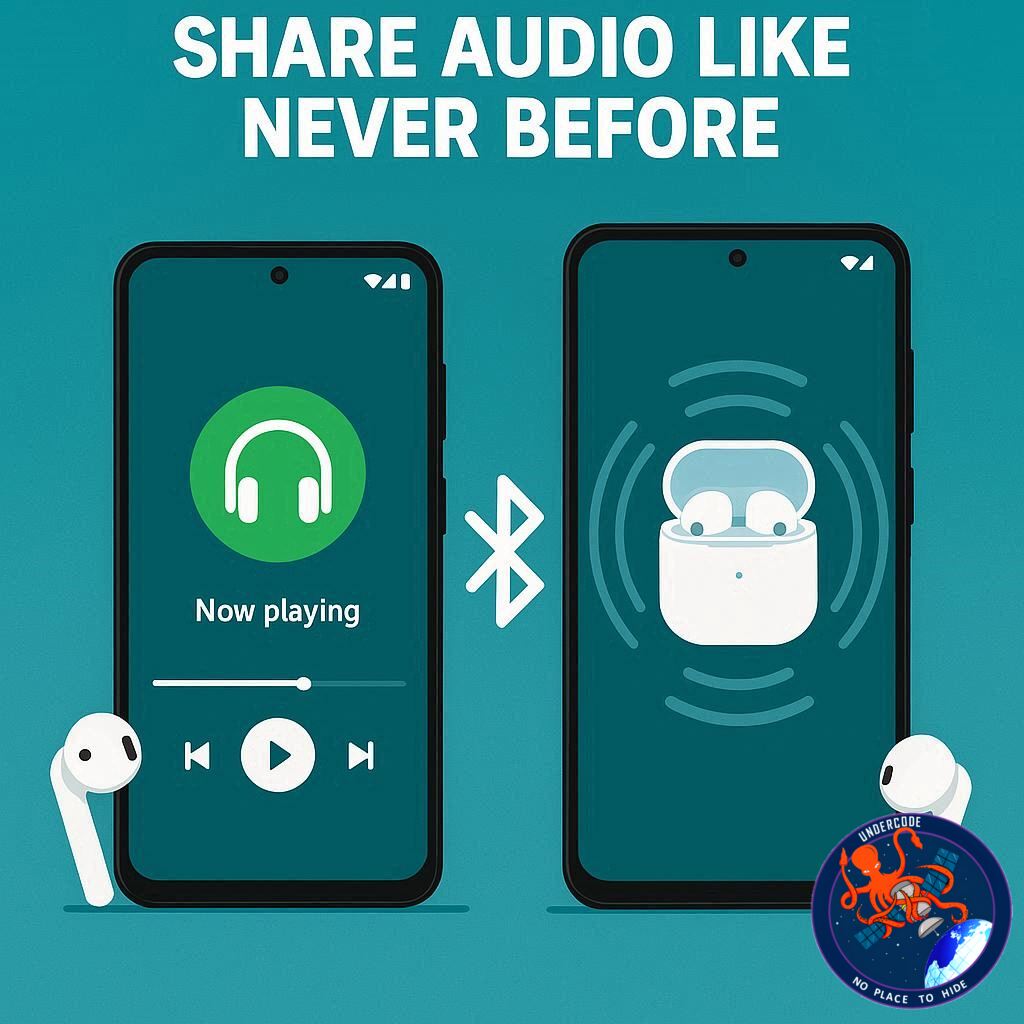
In a major leap for mobile audio, Android users can now enjoy a groundbreaking feature that makes sharing sound with friends seamless and more versatile than ever. Thanks to Google’s latest update, Bluetooth LE Audio and Auracast technology are expanding to more smartphones and headphones, offering users the ability to broadcast audio from one device to multiple receivers effortlessly. Whether you’re streaming music, watching videos, or sharing podcasts, this upgrade transforms how Android users experience and share audio content.
Breaking Down the Update: How Auracast Works
Auracast, built on the Bluetooth LE Audio protocol, allows a single device to broadcast audio to multiple compatible headphones simultaneously. Unlike traditional Bluetooth pairing, this feature removes the limits of one-to-one connections. Users can privately share audio with one friend or a larger group, with listeners joining via a QR code scan or Google Fast Pair. From music playlists to TikTok videos, any sound playing on your phone can be broadcast to friends’ headphones in real time.
Which Devices Can Use LE Audio Auracast?
Currently, support for Bluetooth Auracast is limited but growing. Key smartphones include Google Pixel 8 and newer, Samsung Galaxy S23 through S25, Galaxy Z Fold 5 to Z Fold 7, as well as select Xiaomi and Poco models. While these devices enable private audio sharing and connectivity with compatible public broadcasts, not all are supported by U.S. carriers yet. The feature also allows users to access public broadcasts at gyms, theaters, airports, museums, and other venues using a QR code, although adoption remains gradual.
Headphones and Earbuds Supporting Auracast
To enjoy Auracast, both the broadcasting phone and receiving headphones must support the technology. Currently, supported devices include Samsung Galaxy Buds 3 Pro, JBL Tour One M3, Sennheiser Accentum True Wireless, and select Sony headphones like the WF-1000XM5 earbuds. As the technology gains traction, more audio devices are expected to join the list, making shared audio experiences more accessible.
What Undercode Say:
This update marks a significant milestone in wireless audio technology. Auracast is more than just a convenience—it represents a shift in how we think about sound sharing and media consumption. For users, it removes the frustrating limits of one-to-one Bluetooth pairing, opening doors to shared listening experiences in both private and public settings.
For venues, Auracast can redefine accessibility and engagement. Imagine museums or theaters broadcasting audio directly to visitor headphones without cumbersome setups. While device compatibility and venue adoption are still in their early stages, the potential for enhancing both personal and communal experiences is immense.
From a broader tech perspective, this move strengthens Android’s position against competitors by offering an innovative feature that Apple’s ecosystem currently lacks. It could also encourage headphone manufacturers to accelerate Auracast integration, further expanding user choice. For everyday users, this means more flexibility in device use, enhanced convenience in social and public spaces, and the ability to maintain private listening even in crowded environments.
In the long term, Auracast could inspire new social and collaborative audio applications—from shared gaming soundtracks to synchronized workout sessions—redefining expectations for mobile audio interaction. As more devices support the feature and adoption increases, it may become a standard for Bluetooth audio, pushing the entire industry toward a more connected, user-centric model.
🔍 Fact Checker Results:
✅ LE Audio Auracast is real and officially supported by Google.
✅ Current device compatibility is limited to select Pixel, Samsung, Xiaomi, and Poco models.
❌ Widespread public venue adoption remains limited and is not yet standard.
📊 Prediction:
As Auracast adoption grows, expect an influx of new headphones supporting the feature and broader integration in public spaces. Within two years, shared audio broadcasting could become a staple of Android devices, transforming both personal and communal listening experiences worldwide.
🕵️📝✔️Let’s dive deep and fact‑check.
References:
Reported By: www.zdnet.com
Extra Source Hub:
https://www.discord.com
Wikipedia
OpenAi & Undercode AI
Image Source:
Unsplash
Undercode AI DI v2
🔐JOIN OUR CYBER WORLD [ CVE News • HackMonitor • UndercodeNews ]
📢 Follow UndercodeNews & Stay Tuned:
𝕏 formerly Twitter 🐦 | @ Threads | 🔗 Linkedin | 🦋BlueSky | 🐘Mastodon


