
Listen to this Post
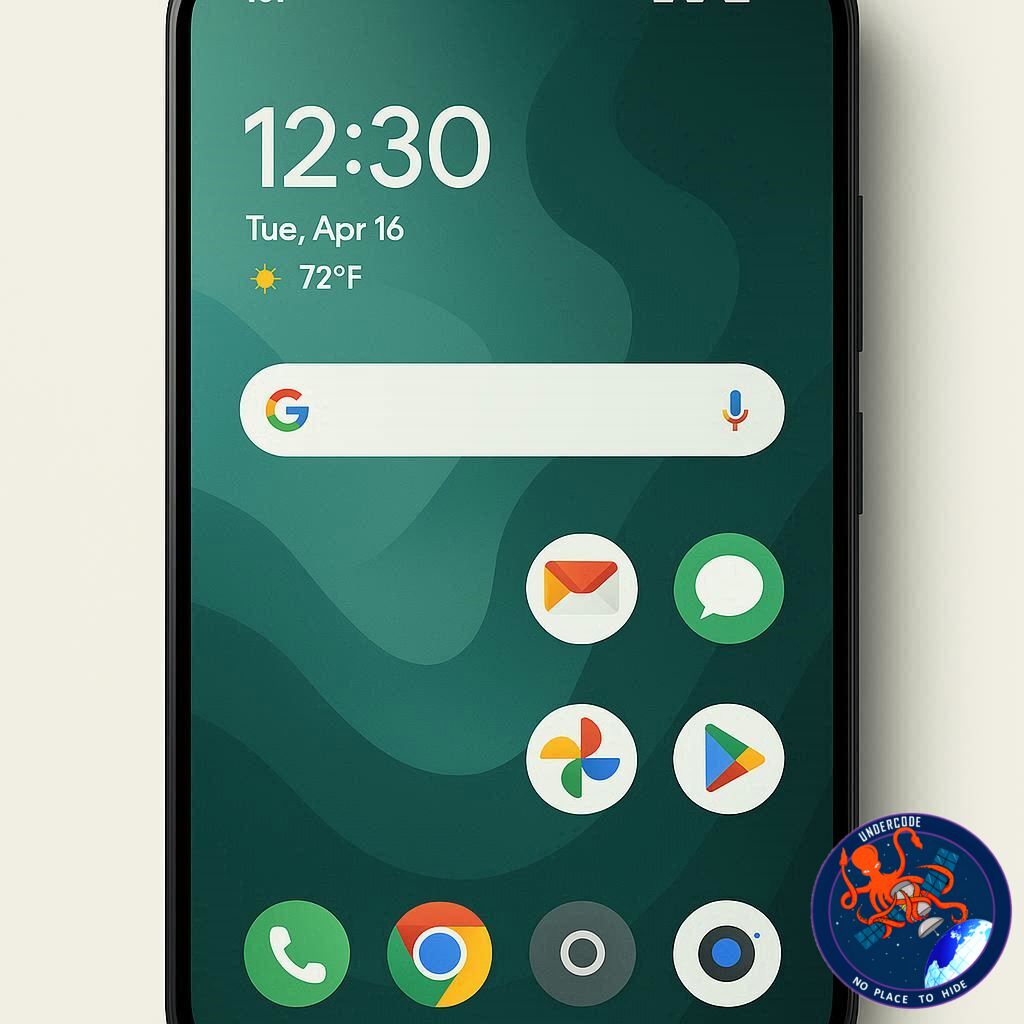
Android has long been praised for its flexibility and customizability, but one area where it often lagged behind Apple’s iOS was in sheer aesthetic appeal. That narrative is changing fast. With the latest Android feature drop, Google has delivered a remarkable facelift that transforms Android’s interface into something genuinely elegant, functional, and, dare I say, more visually appealing than iOS.
The Long-Awaited Material 3 Expressive Arrives
When the update landed on my Pixel 9 Pro, I was immediately struck by the difference. Material 3 Expressive, a design overhaul Google has been teasing for months, finally makes its full debut. Unlike previous incremental updates, this release introduces a cohesive visual language that permeates the entire OS. From the App Drawer to the Notification Shade, and even third-party app interfaces, every element now feels polished and thoughtfully designed.
Material 3 Expressive isn’t just about looking pretty. It draws heavily from two personal choices: your wallpaper and your selected color palette. Before this update, these elements had minimal impact beyond superficial accents. Now, they are fully integrated, influencing every corner of Android 16’s interface. Notification Shades are no longer harsh black; the App Drawer now features a subtle blur and color adaptation; and even icons can adopt your chosen theme colors. It’s a level of personalization iOS users have envied for years.
Performance and Animations: More Than Skin Deep
This isn’t merely a cosmetic upgrade. Animations feel fluid and meaningful, transforming routine interactions into visually engaging experiences. Fonts are sharper, more readable, and overall, the interface feels alive. For Pixel users, this update is especially significant. It finally allows the hardware to shine, making devices like the Pixel 9 Pro feel noticeably faster and more responsive. The overall impression is one of polish and elegance, blending beauty with functionality in a way Android has rarely achieved before.
Material 3 Expressive also marks a pivotal moment for Android’s ecosystem. Beyond colors and animations, Google has refined the UI to deliver a cohesive experience that encourages both new and seasoned users to engage more deeply with their devices. The thoughtful integration of themes, performance boosts, and smoother interactions collectively elevate Android to a new standard.
What Undercode Say: Analyzing the Android Makeover
Google’s Material 3 Expressive is more than a design facelift; it’s a statement that Android is now capable of competing with—and in some areas surpassing—iOS. For years, Android’s flexibility was a double-edged sword: immense customization potential, but inconsistent visual appeal. Material 3 Expressive addresses that gap, offering a consistent, elegant aesthetic while preserving Android’s hallmark adaptability.
From an analytical perspective, several key trends emerge:
- Enhanced Personalization – By tying the interface directly to user preferences like wallpaper and color palette, Android is offering a deeply individualized experience that iOS cannot match in the same granular way.
- Hardware Synergy – Pixel devices now feel like they are designed with the OS in mind. Performance improvements are subtle but meaningful, showing Google’s commitment to holistic user experience.
- Animation and Feedback – User interactions are now more intuitive. Animations are not just decorative—they provide real feedback that makes navigating Android feel natural and engaging.
- UI Cohesion Across Apps – Previously, the inconsistency between system UI and third-party apps was a visual hurdle. Material 3 Expressive significantly narrows this gap, giving Android a unified, professional look.
- Competitive Edge Against iOS – While Apple still leads in simplicity and ecosystem integration, Android’s aesthetic leap and customization edge could attract users who value both form and function.
- User Retention and Satisfaction – A visually and functionally enhanced interface directly contributes to longer engagement and higher satisfaction, making users more likely to stick with Pixel devices and Android overall.
Overall, Material 3 Expressive signals a strategic pivot: Android is now serious about combining beauty, performance, and personalization without compromise.
🔍 Fact Checker Results
✅ Material 3 Expressive is officially part of the Android 16 feature drop.
✅ The update enhances colors, animations, and system performance, especially on Pixel devices.
❌ Claims that Android universally outperforms iOS are subjective; metrics may vary depending on hardware and personal preferences.
📊 Prediction
Given the current trajectory, Google is likely to continue expanding Material 3 Expressive features to more devices beyond Pixel. The update could redefine Android’s public perception, positioning it as not just highly customizable but genuinely elegant. Expect a ripple effect where third-party apps adopt similar aesthetic standards, pushing the overall Android ecosystem toward a visually cohesive future. Over the next year, this could even influence market share as users increasingly compare aesthetics and experience alongside functionality.
Material 3 Expressive is a bold step forward, transforming Android from a purely practical platform into one that delivers style, responsiveness, and personalization—all at once. The era of Android merely competing with iOS in flexibility is over; now it’s competing in beauty too.
🕵️📝✔️Let’s dive deep and fact‑check.
References:
Reported By: www.zdnet.com
Extra Source Hub:
https://www.discord.com
Wikipedia
OpenAi & Undercode AI
Image Source:
Unsplash
Undercode AI DI v2
🔐JOIN OUR CYBER WORLD [ CVE News • HackMonitor • UndercodeNews ]
📢 Follow UndercodeNews & Stay Tuned:
𝕏 formerly Twitter 🐦 | @ Threads | 🔗 Linkedin | 🦋BlueSky | 🐘Mastodon


