
Listen to this Post
Introduction: When a Debug File Becomes a Cybersecurity Crisis
In an era where artificial intelligence systems are rapidly evolving into critical infrastructure, even minor oversights can trigger major consequences. A recent incident involving Anthropic has highlighted just how fragile the balance between innovation and security can be. A seemingly routine npm package update exposed an enormous amount of internal data related to its Claude Code CLI—raising serious concerns about transparency, intellectual property protection, and the hidden vulnerabilities within AI ecosystems. What appeared to be a simple debug artifact quickly escalated into a full-scale security discussion across the cybersecurity community.
the Original Incident
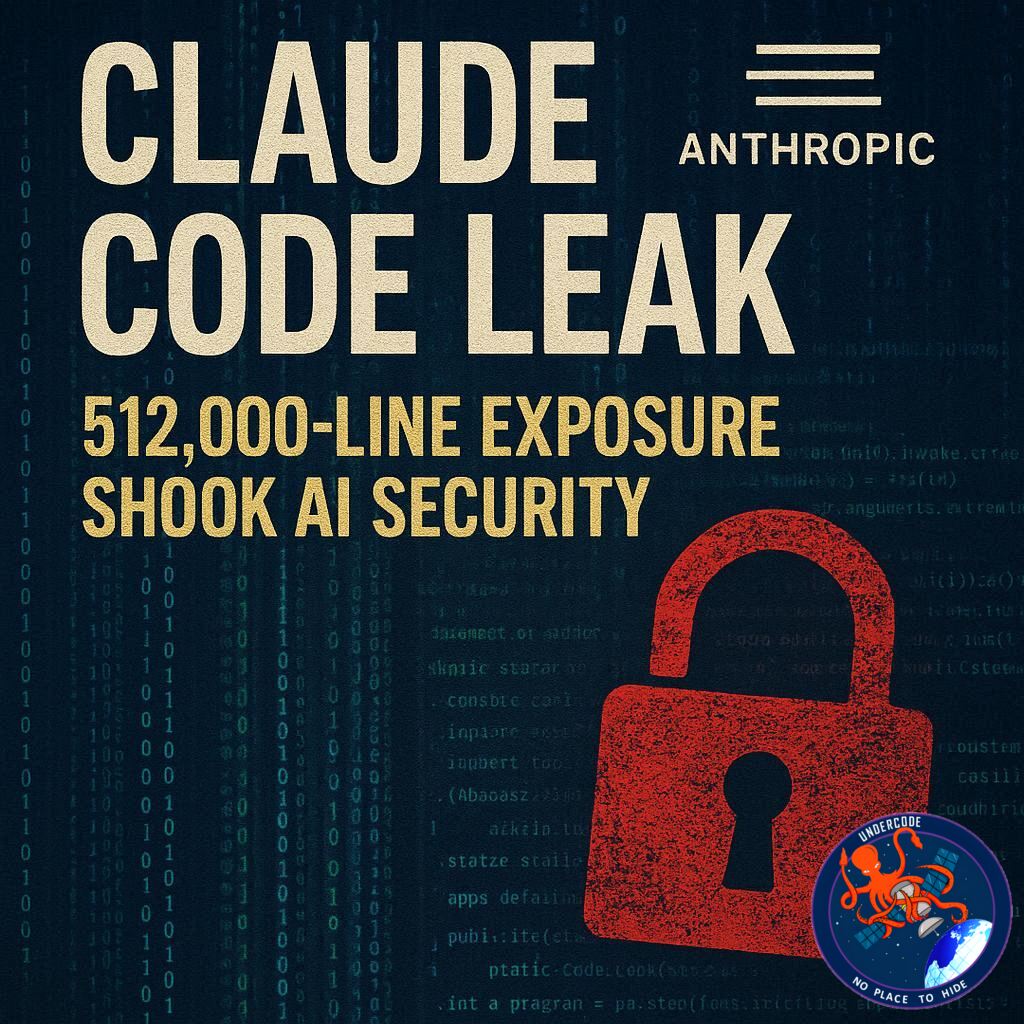
A major cybersecurity alert surfaced when a debug file embedded within version 2.1.88 of an npm package inadvertently exposed the internal source code of Anthropic’s Claude Code CLI. The file, weighing approximately 59.8MB, contained an astonishing 1,900 files and more than 512,000 lines of code. This was not just a minor leak—it offered a deep, almost complete view into the system’s architecture.
The exposed data revealed key components such as internal tools, system guardrails, and structural frameworks that define how the Claude Code CLI operates. For developers and security researchers, this kind of visibility is rare, as such systems are typically protected with strict access controls. However, in this case, the accidental inclusion of a debug file made everything publicly accessible through a widely used package distribution platform.
The implications were immediate and far-reaching. Not only did the leak expose proprietary design elements, but it also potentially opened doors for malicious actors to analyze and exploit weaknesses within the system. Guardrails—intended to enforce safety and ethical use—were also revealed, raising concerns that adversaries could now better understand how to bypass them.
This incident also underscored a recurring issue in modern software development: the risks associated with automated deployment pipelines and insufficient auditing of published packages. A single oversight in packaging allowed sensitive internal data to slip through the cracks and become publicly available.
Beyond the technical exposure, the event sparked broader conversations about the responsibility of AI companies to secure their systems. With AI tools increasingly integrated into enterprise and public-facing applications, the stakes are significantly higher than in traditional software leaks.
The leak was initially reported through cybersecurity monitoring channels and quickly gained traction on social media platforms, where experts began dissecting its potential consequences. Discussions ranged from intellectual property theft to the possibility of reverse engineering advanced AI capabilities.
In essence, this was not just a leak of code—it was a window into the inner workings of a leading AI system, exposing both its strengths and its vulnerabilities in equal measure.
What Undercode Says:
The Hidden Cost of Transparency in AI Development
While transparency is often celebrated in the tech world, this incident demonstrates its unintended consequences when it occurs accidentally. The exposure of Claude’s internal architecture provides valuable insights—but not just for researchers. Malicious actors can now study the system with the same level of detail as its creators.
Debug Files: The Most Overlooked Security Threat
Debug artifacts are typically ignored during final deployment stages, yet they often contain highly sensitive information. This case reinforces the idea that even non-production files can become critical attack vectors if mishandled.
Guardrails Are Only Effective When Hidden
AI guardrails are designed to prevent misuse, but once exposed, they can be analyzed and circumvented. This leak potentially reduces the effectiveness of those safeguards, as attackers can now understand exactly how the system enforces its rules.
The npm Ecosystem as a Double-Edged Sword
npm remains one of the most widely used package managers in the world, but its open nature makes it a high-risk distribution channel. A single compromised or misconfigured package can impact thousands of developers and applications instantly.
Intellectual Property at Risk
The leak raises serious concerns about the protection of proprietary AI technologies. With over half a million lines of code exposed, competitors and independent developers may gain insights that would otherwise take years to develop.
Automation Without Oversight Is Dangerous
Modern CI/CD pipelines prioritize speed and efficiency, often at the expense of thorough review. This incident highlights the dangers of relying too heavily on automation without implementing strict validation checks.
Security Culture Needs Reinforcement
The event reflects a broader issue within tech organizations: security is often treated as a secondary concern rather than a foundational principle. Incidents like this emphasize the need for a stronger, more proactive security culture.
Reverse Engineering Becomes Easier
With access to internal logic and structure, attackers can simulate the system’s behavior and identify weaknesses more efficiently. This significantly lowers the barrier for sophisticated cyberattacks.
Trust in AI Systems Could Be Affected
Users and enterprises rely on AI providers to maintain secure and reliable systems. A leak of this magnitude can erode trust, especially when it exposes internal mechanisms meant to ensure safety.
The Bigger Picture: AI as Critical Infrastructure
As AI systems become integral to industries like finance, healthcare, and defense, their security becomes a matter of global importance. This incident serves as a warning that even minor lapses can have major consequences.
🔍 Fact Checker Results
Verification of the Leak Claim
✅ The reported exposure of a large debug file containing extensive source code aligns with typical risks associated with npm package misconfigurations.
Scope of the Data Exposure
✅ The scale—thousands of files and hundreds of thousands of lines—is plausible for a full-featured CLI tool, making the claim technically credible.
Security Risk Interpretation
❌ While the leak is serious, the extent of exploitable vulnerabilities depends on how much of the code remains actively used and whether patches were deployed quickly.
📊 Prediction
Short-Term Industry Response
🚨 AI companies will likely tighten their deployment pipelines and introduce stricter auditing mechanisms to prevent similar leaks.
Rise in AI-Focused Cyber Attacks
⚠️ Threat actors may increasingly target AI tools, leveraging exposed architectures to craft more advanced and targeted exploits.
Regulatory Pressure on AI Security
📉 Governments and regulatory bodies could push for stricter compliance standards, forcing AI firms to adopt more rigorous security frameworks moving forward.
🕵️📝✔️Let’s dive deep and fact‑check.
References:
Reported By: x.com
Extra Source Hub (Possible Sources for article):
https://www.instagram.com
Wikipedia
OpenAi & Undercode AI
Image Source:
Unsplash
Undercode AI DI v2
Bing
🔐JOIN OUR CYBER WORLD [ CVE News • HackMonitor • UndercodeNews ]
📢 Follow UndercodeNews & Stay Tuned:
𝕏 formerly Twitter 🐦 | @ Threads | 🔗 Linkedin | 🦋BlueSky | 🐘Mastodon


