
Listen to this Post
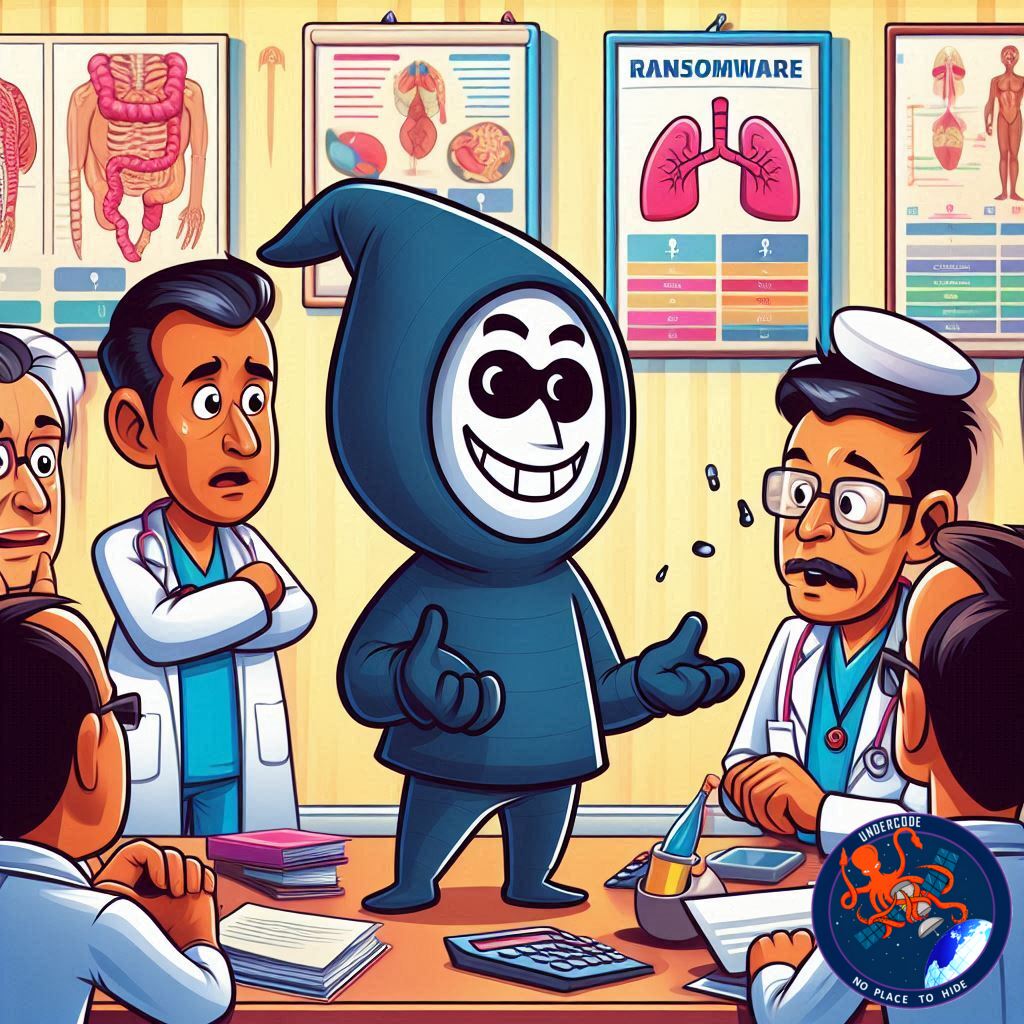
The cybersecurity landscape continues to face relentless attacks, and the latest victim reportedly is Mid South Pulmonary & Sleep Specialists. According to the ThreatMon Threat Intelligence Team, the infamous Anubis ransomware group has allegedly targeted this healthcare provider, signaling yet another alarming intrusion into sensitive medical data. As ransomware operations grow increasingly sophisticated, organizations across industries—especially healthcare—remain prime targets for data breaches, operational disruptions, and potential extortion.
Ransomware Incident Summary
On November 28, 2025, at 12:19:44 UTC+3, the ThreatMon Threat Intelligence Team detected activity linked to the Anubis ransomware group involving Mid South Pulmonary & Sleep Specialists. The group is known for infiltrating organizations, encrypting critical data, and demanding ransom payments, often via the dark web. ThreatMon’s platform, designed for end-to-end threat intelligence, has been tracking Indicators of Compromise (IOC) and command-and-control (C2) activity related to Anubis.
While the full extent of the breach has not been publicly disclosed, the incident underscores a persistent trend in cybercrime: healthcare institutions are frequently targeted due to their rich repositories of sensitive patient information and often less robust cybersecurity infrastructures. Data from prior Anubis attacks indicate that the group prioritizes high-value information, aiming to maximize leverage for ransom negotiations.
Security experts emphasize that ransomware campaigns like this often evolve rapidly. Attackers exploit vulnerabilities in software, unpatched systems, or human error to gain initial access. Once inside, the malware encrypts critical files and spreads laterally, compromising operational continuity. In this case, the early detection by ThreatMon’s platform may help mitigate some of the potential fallout, but the impact on patients, staff, and administrative processes could still be significant.
Historically, Anubis has targeted both private and public healthcare networks, indicating a pattern of opportunistic but calculated attacks. Each new incident provides insights into the group’s evolving techniques, from spear-phishing campaigns to the use of sophisticated encryption algorithms designed to thwart conventional decryption efforts.
The broader cyber threat environment remains tense, with ransomware attacks reported almost daily worldwide. Healthcare providers, financial institutions, and critical infrastructure organizations continue to be high-value targets. Analysts caution that as ransomware groups become more organized, attack timelines are shrinking—from intrusion to encryption—forcing organizations to adopt real-time monitoring and rapid incident response protocols.
Preventive strategies are now more critical than ever. Multi-layered cybersecurity defenses, regular patch management, employee training, and robust backup solutions are essential to reduce exposure to ransomware. Moreover, collaboration with intelligence platforms like ThreatMon can provide early warning signals, enabling organizations to react before the attack reaches critical systems.
What Undercode Say:
The Anubis attack on Mid South Pulmonary & Sleep Specialists highlights multiple underlying issues in the healthcare cybersecurity domain. First, healthcare organizations are inherently vulnerable due to a combination of outdated legacy systems, high-value patient data, and operational urgency that often prioritizes access over security.
Second, the rapid identification of this attack by ThreatMon demonstrates the increasing importance of specialized threat intelligence platforms. Without real-time IOC and C2 tracking, organizations may remain unaware of breaches until ransomware has already encrypted crucial data, increasing both financial and reputational damage.
Third, the attack illustrates the ongoing trend of cybercriminals targeting niche sectors like pulmonary and sleep clinics. While large hospital networks receive widespread media coverage, smaller or specialized clinics are equally lucrative targets due to their potentially weaker defenses.
From an analytical perspective, Anubis’ modus operandi appears to blend opportunistic targeting with strategic pressure. By hitting healthcare providers, they exploit the high urgency and sensitivity of medical operations. This increases the likelihood of ransom compliance, especially in institutions where patient care cannot be paused.
Furthermore, the timing of this incident aligns with broader trends in 2025: ransomware groups are leveraging AI-driven reconnaissance to identify vulnerabilities faster and deploy attacks with minimal human intervention. This raises the bar for traditional defensive strategies, as even well-staffed IT departments may struggle to keep pace with automated threats.
The healthcare sector, already facing staffing shortages and resource constraints, is particularly exposed. Combined with increased remote work and cloud adoption, these factors create a complex threat landscape that ransomware actors exploit with precision.
Another noteworthy aspect is the potential downstream impact. Breaches like this not only compromise patient data but can disrupt treatment schedules, delay diagnoses, and erode trust in medical providers. The reputational damage, combined with regulatory fines under HIPAA or other local privacy laws, compounds the financial consequences of a successful attack.
Proactive mitigation measures must evolve beyond conventional firewalls and antivirus solutions. Behavioral monitoring, anomaly detection, and continuous threat intelligence integration are now crucial. Organizations need to adopt a “zero-trust” model, ensuring that no internal or external actor is automatically trusted, regardless of network location.
Collaboration between healthcare providers, cybersecurity firms, and government agencies is becoming increasingly necessary. Sharing threat intelligence, participating in public-private partnerships, and adhering to best practices in cyber hygiene can significantly reduce the likelihood and impact of ransomware attacks.
The case also underscores the necessity of ongoing employee training. Even the most advanced detection systems can be circumvented if staff fall victim to phishing attacks or inadvertently execute malicious files. Continuous education on emerging threats is therefore a cornerstone of modern healthcare cybersecurity.
Finally, the broader trend of ransomware targeting specialized sectors signals a shift in attacker priorities. Cybercriminals are no longer focused solely on volume; they are seeking high-impact, high-value targets. This evolution necessitates an equally sophisticated and agile response from organizations, combining technology, human vigilance, and intelligence sharing.
Fact Checker Results:
✅ ThreatMon confirmed Anubis activity targeting Mid South Pulmonary & Sleep Specialists.
❌ No public disclosure yet on ransom payment or data exfiltration.
✅ Anubis is a known ransomware group with prior healthcare sector attacks.
Prediction:
💥 Expect increased ransomware alerts in specialized healthcare sectors as groups like Anubis refine their tactics.
⚡ Organizations with robust threat intelligence and rapid incident response will mitigate impact, but smaller clinics may face greater risk.
📊 Regulatory scrutiny and insurance implications will intensify as attacks on patient-sensitive institutions continue to rise.
🕵️📝✔️Let’s dive deep and fact‑check.
References:
Reported By: x.com
Extra Source Hub (Possible Sources for article):
https://www.facebook.com
Wikipedia
OpenAi & Undercode AI
Image Source:
Unsplash
Undercode AI DI v2
Bing
🔐JOIN OUR CYBER WORLD [ CVE News • HackMonitor • UndercodeNews ]
📢 Follow UndercodeNews & Stay Tuned:
𝕏 formerly Twitter 🐦 | @ Threads | 🔗 Linkedin | 🦋BlueSky | 🐘Mastodon


