
Listen to this Post
Introduction: A Quiet Company, a Loud Cyberattack
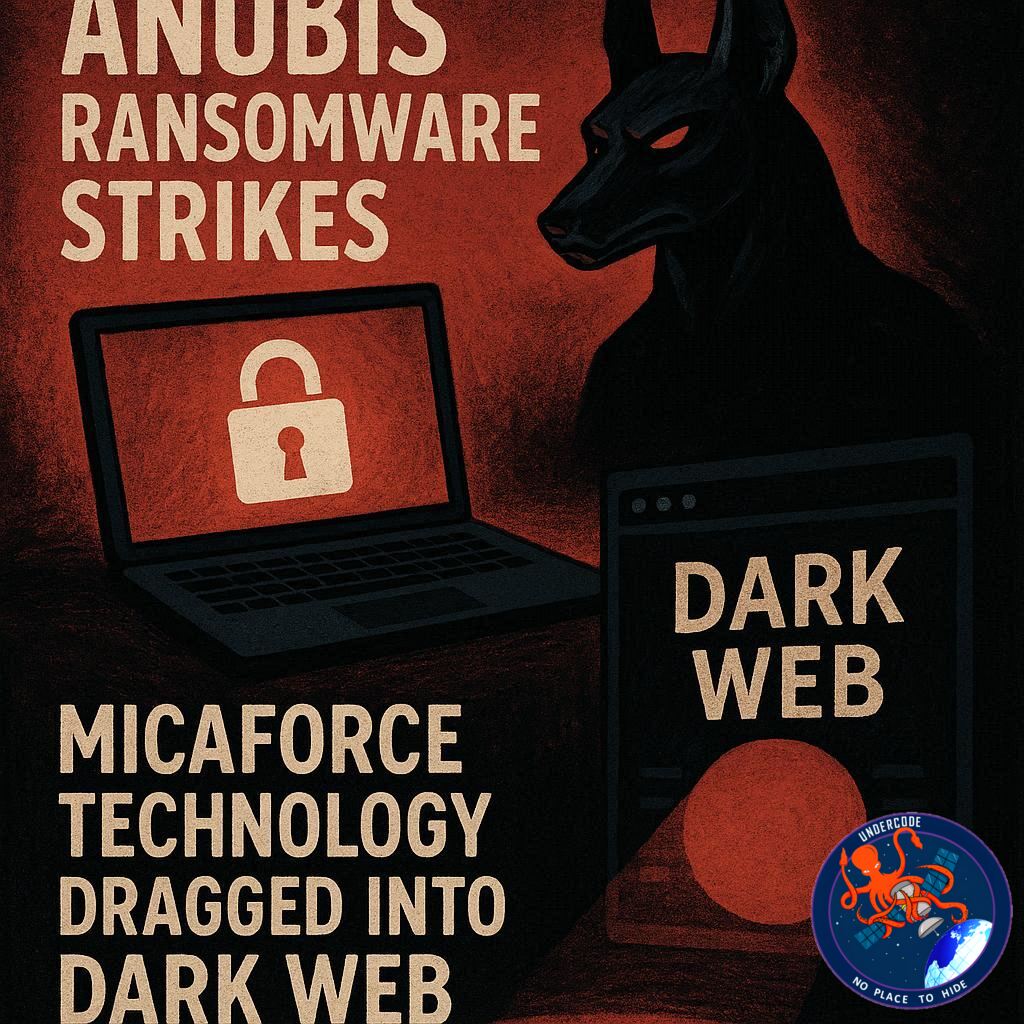
In the constantly evolving world of cybercrime, ransomware groups are moving faster, hitting harder, and choosing their targets with unnerving precision. On February 21, 2026, a fresh alert rippled through threat-intelligence circles: Micaforce Technology had allegedly been listed as a new victim by the Anubis ransomware operation. The disclosure didn’t come from a press release or a breach notification—but from the shadows of dark web monitoring, where threat actors often announce their “successes” long before victims can respond publicly. This incident highlights how quickly organizations can find themselves exposed, pressured, and scrutinized in today’s ransomware economy.
Incident Summary: What Happened to Micaforce Technology
According to monitoring by the ThreatMon Threat Intelligence Team, the ransomware group known as Anubis added Micaforce Technology to its list of claimed victims. The activity was detected on February 21, 2026, around 03:00 UTC+3, with the initial public signal appearing hours earlier on social media. The post, timestamped at 10:22 PM on February 20, 2026, indicated ongoing dark web ransomware activity tied to Anubis. While no technical details about the intrusion, encryption scope, or data exfiltration were shared publicly, the listing alone is significant. Ransomware groups frequently use victim disclosures as leverage—applying psychological pressure to force negotiations, ransom payments, or silence. At the time of detection, Micaforce Technology had not issued a public statement confirming or denying the breach, leaving many unanswered questions about the scale and impact of the alleged attack.
What Undercode Say: Inside the Strategy and the Signals
From an analytical standpoint, this incident fits a familiar—and troubling—pattern in modern ransomware operations. Groups like Anubis are no longer relying solely on technical damage; they are running full-scale extortion campaigns. Publicly naming a victim is often step two, not step one. Step one is quiet access, lateral movement, and data theft. Step two is exposure. By the time a company’s name appears on a leak site or in threat-intelligence feeds, the attackers usually hold sensitive leverage.
What makes this case notable is the speed and confidence of the disclosure. Anubis did not accompany its claim with proof files or samples—at least not publicly—which can indicate one of two things. Either negotiations are already underway behind closed doors, or the group is testing pressure tactics early to provoke a response. Both scenarios are common in 2025–2026 ransomware playbooks.
The role of platforms like ThreatMon is critical here. Continuous monitoring of dark web forums, leak sites, and threat-actor communications allows early detection—sometimes days before mainstream media or even affected partners become aware. However, early detection does not equal early resolution. Organizations caught in this position face a brutal decision tree: disclose or delay, negotiate or resist, pay or rebuild.
Another layer worth examining is reputational risk. Even unverified claims can damage trust, especially when amplified through social networks and platforms operated by X Corp.. A single post can spark speculation, investor concern, and customer anxiety. Ransomware groups understand this dynamic and exploit it ruthlessly.
Strategically, Anubis appears to favor visibility over subtlety. Unlike stealth-focused actors who remain silent for months, Anubis opts for rapid naming and shaming. This suggests confidence in their access or a desire to move quickly from intrusion to monetization. For defenders, the lesson is blunt: perimeter security alone is no longer enough. Incident response readiness, legal coordination, and communication planning are now just as critical as firewalls and EDR tools.
🔍 Fact Checker Results
✅ Anubis has publicly claimed Micaforce Technology as a victim via monitored channels.
✅ The alert originates from a recognized threat-intelligence monitoring operation.
❌ No public forensic evidence has yet confirmed the extent of compromise or data leakage.
📊 Prediction
If Micaforce Technology does not respond publicly in the coming days, Anubis is likely to escalate by releasing sample data or setting a countdown deadline. More broadly, similar mid-sized technology firms should expect increased targeting, as ransomware groups continue to prioritize victims with valuable data but limited public-relations firepower.
🕵️📝✔️Let’s dive deep and fact‑check.
References:
Reported By: x.com
Extra Source Hub (Possible Sources for article):
https://www.stackexchange.com
Wikipedia
OpenAi & Undercode AI
Image Source:
Unsplash
Undercode AI DI v2
Bing
🔐JOIN OUR CYBER WORLD [ CVE News • HackMonitor • UndercodeNews ]
📢 Follow UndercodeNews & Stay Tuned:
𝕏 formerly Twitter 🐦 | @ Threads | 🔗 Linkedin | 🦋BlueSky | 🐘Mastodon


