
Listen to this Post
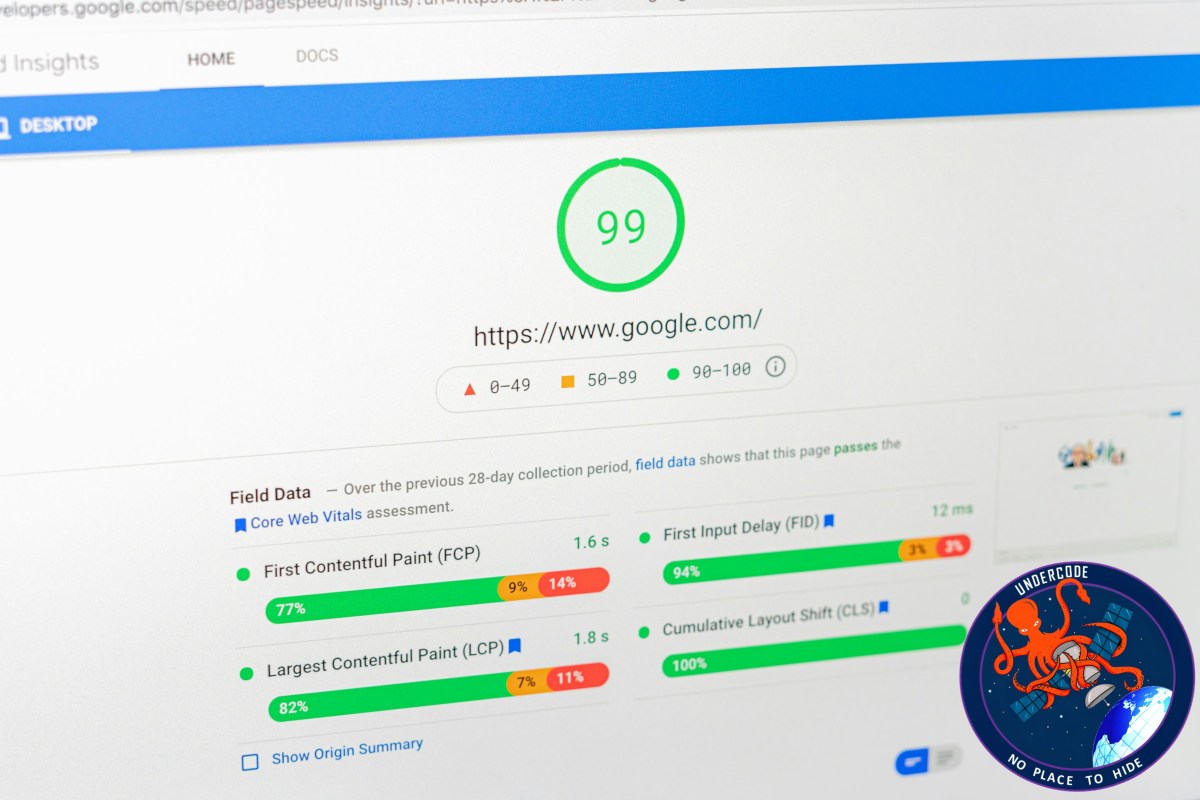
In today’s digital ecosystem, understanding how websites perform under real-world conditions has never been more critical. APIContext, a leading provider of resilience monitoring solutions, has unveiled its new Browser Monitoring tool—a headless browser capability designed to help organizations gain deep insight into their website performance. This tool offers a granular look at page load speeds, user interactivity, and the impact of third-party scripts, empowering businesses to optimize web experiences for both users and search engines.
Precision Monitoring for Real-World Web Performance
APIContext’s Browser Monitoring captures detailed timing metrics, showing how long a page takes to load, which elements contribute to delays, and when a page is fully ready for interaction. With 58% of web traffic now generated by machines, according to Akamai Technologies, understanding how websites interact with APIs and automated agents is essential. This capability allows organizations to identify performance bottlenecks that could impact both user experience and operational resilience.
SEO Optimization and Page Ranking Impact
Google’s updated ranking algorithms now emphasize page load speed, interactivity, and overall performance. By offering precise analytics on these metrics, APIContext equips businesses to improve SEO outcomes, ensuring that slow-loading pages or inefficient front-end elements do not compromise search visibility. This integration of browser monitoring with synthetic API monitoring provides teams with a holistic view of website health, from both a backend and frontend perspective.
Extending Synthetic Monitoring Beyond APIs
APIContext’s new feature allows teams to observe full page loads in a controlled, headless browser environment. This enables tracking of rendering behavior, user interactions, and overall availability, complementing traditional API monitoring. From homepages to landing pages, CDNs, and third-party scripts, the tool provides insights to validate front-end releases and prevent issues before they reach end users. All data collected adheres to OpenTelemetry standards, ensuring portability and compatibility with analytics platforms.
Key Benefits of APIContext’s Browser Monitoring
Early Detection: Identify broken elements, missing assets, or content drift before users encounter issues.
Full Visibility: Track all dependencies and third-party calls to pinpoint slowdowns.
Enterprise-Ready: Static IPs allow secure, allow-listed monitoring.
Unified Analysis: Combine API and browser data to streamline troubleshooting and accelerate incident response.
What Undercode Say:
The launch of APIContext’s Browser Monitoring represents a significant evolution in website performance management. As modern web pages grow increasingly complex, conventional monitoring often fails to capture the nuanced interactions between front-end elements and backend APIs. By integrating headless browser technology, APIContext enables teams to see their websites exactly as users—or automated agents—do. This level of detail is especially critical in today’s SEO-driven environment, where milliseconds can influence page rankings.
Moreover, the tool’s capability to monitor third-party scripts and CDNs is a strategic advantage. Many slowdowns originate from external resources, and without a unified view, diagnosing these issues can be a time-consuming challenge. APIContext’s approach simplifies this process, allowing organizations to preemptively fix issues and maintain optimal site performance.
Another noteworthy aspect is adherence to OpenTelemetry standards. This ensures collected data remains interoperable with other monitoring and analytics solutions, providing flexibility for enterprises with complex observability stacks. The combination of API and browser monitoring into a single dashboard offers operational efficiency, reducing incident response times while enhancing overall visibility.
From a strategic standpoint, this tool could reshape how organizations approach digital resilience. It bridges the gap between front-end user experience and backend API reliability, addressing both performance and availability concerns simultaneously. For businesses relying heavily on web traffic, the potential ROI is substantial: faster page loads, higher search rankings, and improved user satisfaction directly translate into better engagement and conversion metrics.
Furthermore, this innovation comes at a time when machine-generated traffic is surging. Traditional monitoring often overlooks how bots interact with web pages, potentially missing vulnerabilities or performance bottlenecks. APIContext’s Browser Monitoring ensures that both human and automated interactions are analyzed, giving teams a more comprehensive understanding of real-world performance.
Fact Checker Results:
✅ Browser Monitoring provides real-time insights on page load and interactivity.
✅ Data aligns with OpenTelemetry standards for portability and analytics readiness.
❌ It does not replace API monitoring but complements it with full-page visibility.
Prediction:
📊 As more organizations embrace complex web architectures and rely on SEO-driven traffic, tools like APIContext’s Browser Monitoring will become essential. Expect widespread adoption across enterprises aiming to maintain digital resilience, optimize user experience, and safeguard search rankings. Websites leveraging these insights could see measurable improvements in load times and operational reliability over the next 12–18 months.
🕵️📝✔️Let’s dive deep and fact‑check.
References:
Reported By: www.itsecurityguru.org
Extra Source Hub (Possible Sources for article):
https://www.medium.com
Wikipedia
OpenAi & Undercode AI
Image Source:
Unsplash
Undercode AI DI v2
Bing
🔐JOIN OUR CYBER WORLD [ CVE News • HackMonitor • UndercodeNews ]
📢 Follow UndercodeNews & Stay Tuned:
𝕏 formerly Twitter 🐦 | @ Threads | 🔗 Linkedin | 🦋BlueSky | 🐘Mastodon


