
Listen to this Post
Introduction: The Design Choices Apple Almost Made
Apple products are often remembered not only for what they are, but for what they deliberately refused to become. The AirPods are a perfect example of this philosophy. Nearly a decade after their first release, new leaks reveal that Apple once explored bold and playful color options for AirPods charging cases, including bright pink and yellow, before abandoning them entirely. These forgotten prototypes offer a rare glimpse into Apple’s internal debates about identity, branding, and long-term product recognition. At the same time, Apple’s newest AirPods Pro generation shows how the company has shifted its priorities from visual experimentation to deep health integration and acoustic precision.
Early AirPods Color Prototypes and Abandoned Designs
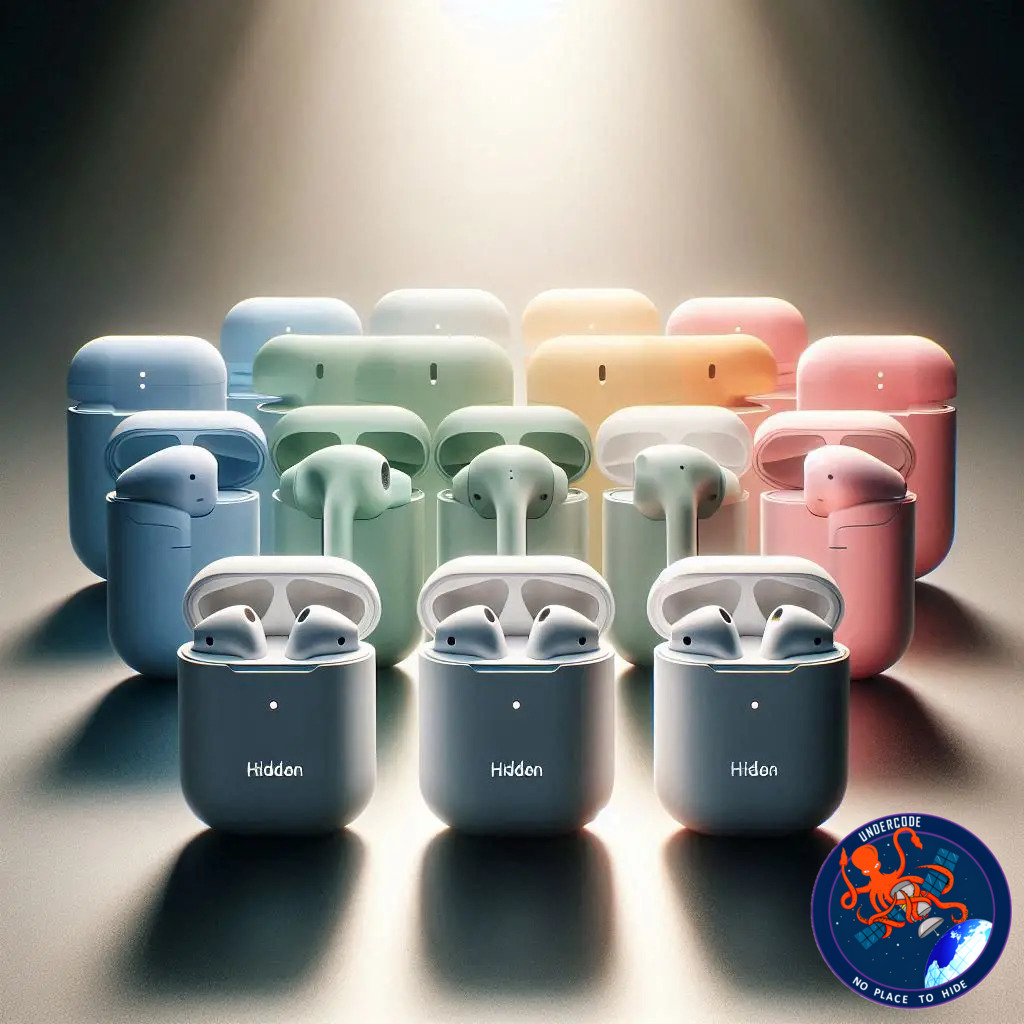
Almost nine years after the debut of the original AirPods, a leak from well-known source Koustami revealed that Apple experimented with bright pink and yellow charging cases during internal design validation testing in 2016. These vivid prototypes were developed alongside the early AirPods hardware, but were ultimately scrapped before the product reached consumers. While pale pink and skin-tone prototypes had surfaced in the past, the newly revealed bright yellow case represents one of the boldest visual directions Apple ever considered for its wireless earbuds.
Apple’s History of Exploring Colorful AirPods
This was not the first time Apple explored colorful AirPods designs. In 2023, Koustami disclosed that Apple had internally tested AirPods in finishes such as Pink, PRODUCT(RED), Purple, Black, and Blonde. These colors were designed to align with the iPhone 7 lineup, which included silver, gold, rose gold, and black variants. Apple also reportedly planned a purple iPhone 7, which was canceled before launch, further limiting the rationale for matching colored AirPods.
Why Apple Ultimately Rejected Bright Colors
Apple’s final decision to stick with white AirPods was rooted in brand strategy rather than technical limitations. The company wanted AirPods to visually complement the iPhone 7 color palette while maintaining a minimalist identity inspired by the iconic white iPod earbuds. Bright colors risked fragmenting that identity and reducing instant recognizability. By choosing white, Apple ensured that AirPods would stand out as a universal accessory, independent of phone color or fashion trends.
The Power of a Recognizable White Design
Since their launch in 2016, AirPods have become one of Apple’s most successful products. The white earbuds and charging case are instantly recognizable across the world, often visible even from a distance. This visual consistency turned AirPods into a status symbol and cultural marker, something colorful variations may have diluted. Although third-party brands continue to offer custom-painted AirPods, Apple itself has never officially deviated from the white-only approach.
AirPods Pro 3 Marks a Shift Toward Health and Performance
While Apple resisted visual experimentation, it has aggressively expanded functionality. The newly launched AirPods Pro 3 represent the most significant upgrade in the product’s history. Nearly five years after the original AirPods Pro, Apple introduced a redesigned airflow system that widens the sound stage, dramatically improves audio clarity, and enhances active noise cancellation. Foam-infused ear tips now deliver double the noise cancellation compared to the previous generation.
Comfort, Durability, and Precision Engineering
Apple describes the AirPods Pro 3 as the best-fitting AirPods ever. After analyzing tens of thousands of ear shapes, Apple reduced the size of each earbud and improved internal weight distribution. Five different ear tip sizes are included to ensure a more precise fit. The earbuds now feature IP57-rated sweat and water resistance, making them suitable for workouts and outdoor use without compromise.
The Breakthrough Heart Rate Sensor in AirPods
The most striking addition to AirPods Pro 3 is the built-in heart rate sensor. Apple integrated its smallest-ever photoplethysmography sensor, which uses invisible infrared light pulsed 256 times per second to measure blood flow. Combined with accelerometers, gyroscope, and GPS data, the AirPods can now track heart rate, calories burned, and physical activity across up to 50 workout types.
Integration with Apple Intelligence and Fitness Ecosystem
All collected health data seamlessly syncs with the Fitness app on iPhone, mirroring the Apple Watch experience. Advanced computational models powered by Apple Intelligence process the data in real time, turning AirPods from a listening device into a lightweight health companion that users can wear for hours without discomfort.
What Undercode Say:
Apple’s abandoned color experiments reveal a deeper truth about the company’s product philosophy. Apple does not chase novelty for its own sake. The decision to kill bright pink and yellow AirPods was not a failure of creativity, but a calculated move to protect long-term brand coherence. White AirPods became a visual language of their own, signaling Apple ownership without logos or branding.
What stands out is how Apple redirected its innovation energy. Instead of surface-level customization, the company invested in invisible technology that delivers lasting value. Health sensors, improved ergonomics, and computational audio have a longer lifespan than trendy colors. This strategy also aligns with Apple’s ecosystem lock-in, where AirPods now complement Apple Watch and iPhone as part of a unified health platform.
From a market perspective, colored AirPods might have driven short-term sales spikes, but they would have fragmented manufacturing, inventory, and marketing. Apple’s restraint preserved simplicity at scale. The AirPods Pro 3 proves that Apple believes the future of wearables is not visual expression, but biometric intelligence embedded into everyday objects.
The irony is that the boldest Apple innovation today is almost invisible. A heart sensor hidden inside an earbud delivers more impact than any bright yellow charging case ever could. Apple’s restraint in aesthetics allowed it to dominate function, and that trade-off continues to define its success.
Fact Checker Results
✅ Leaks confirming pink and yellow AirPods prototypes align with known reports from Koustami.
✅ AirPods Pro 3 features, including heart rate sensors and improved ANC, match Apple’s official claims.
❌ No evidence suggests Apple plans to release colored AirPods in the near future.
Prediction
📊 Apple will continue prioritizing health and biometric features over cosmetic customization.
📊 AirPods may eventually rival Apple Watch in passive health tracking importance.
📊 Official colored AirPods are unlikely unless Apple radically redefines its accessory branding strategy.
▶️ Related Video (86% Match):
🕵️📝✔️Let’s dive deep and fact‑check.
References:
Reported By: timesofindia.indiatimes.com
Extra Source Hub (Possible Sources for article):
https://www.linkedin.com
Wikipedia
OpenAi & Undercode AI
Image Source:
Unsplash
Undercode AI DI v2
Bing
🔐JOIN OUR CYBER WORLD [ CVE News • HackMonitor • UndercodeNews ]
📢 Follow UndercodeNews & Stay Tuned:
𝕏 formerly Twitter 🐦 | @ Threads | 🔗 Linkedin | 🦋BlueSky | 🐘Mastodon


