Listen to this Post
Introduction
Apple has once again taken a bold step in its software strategy. Just one week after releasing iOS 18.6.2, the company officially stopped signing the older version, iOS 18.6.1. This means iPhone users can no longer roll back to the previous update and must stay on the latest release until the much-anticipated iOS 26 arrives. While the update may seem minor, it carries a major security patch that could have serious implications for device protection. Let’s break down what this move means for Apple users, how it impacts security, and what we can expect as iOS 26 approaches.
the
Apple recently pushed out iOS 18.6.2, a new update for iPhone users. The highlight of this release is a critical security fix within the ImageIO framework, which is essential for processing and displaying images across apps and system functions. Security experts suggest this fix was urgent enough to make Apple move quickly in disabling downgrades.
By stopping the signing of iOS 18.6.1, Apple essentially closes the door for users who prefer staying on older software. While this might frustrate some who face bugs or performance hiccups, Apple argues that keeping devices on the latest version ensures maximum protection from vulnerabilities.
The update itself is relatively light, with no flashy new features or design changes—just a quiet yet powerful improvement to safeguard iPhones. Apple users now have only one choice: install iOS 18.6.2 if they want to stay updated.
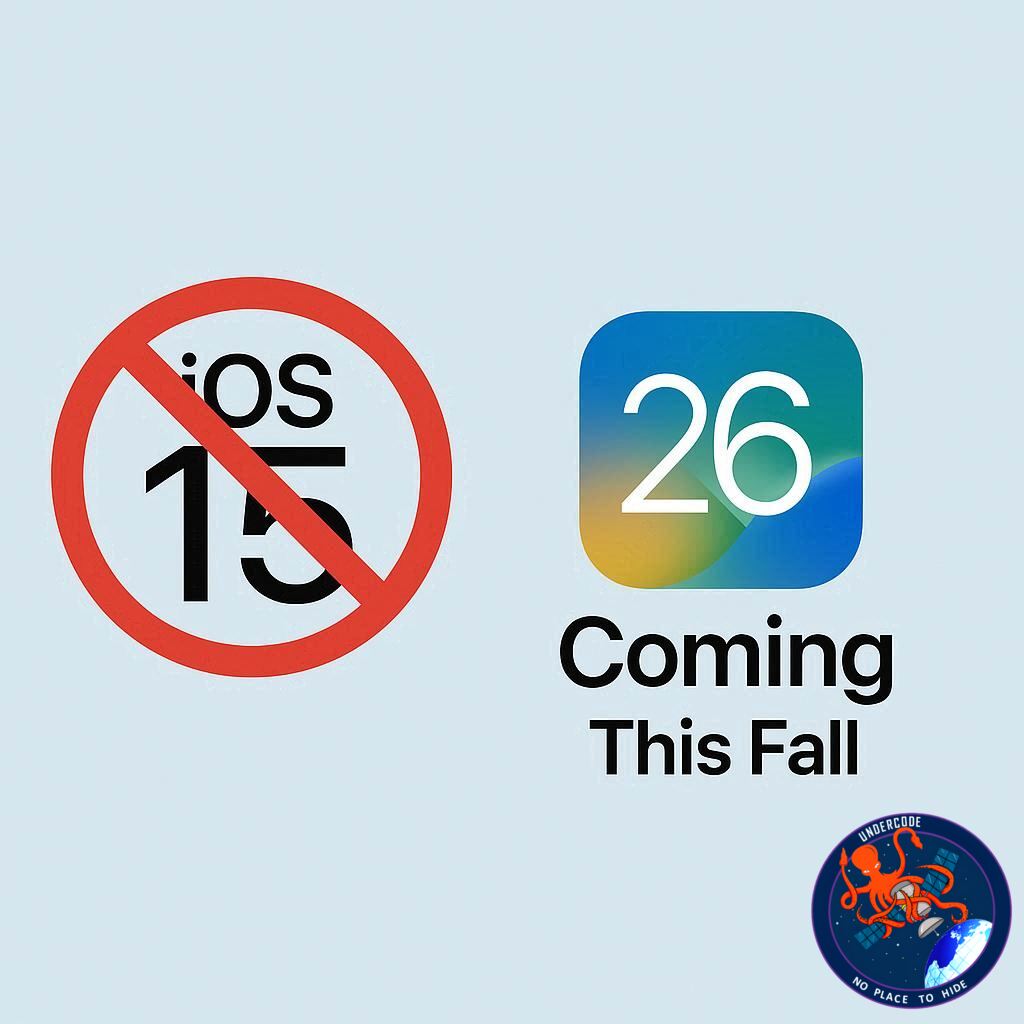
Looking ahead, iOS 26 is expected to launch soon, bringing with it a complete Liquid Glass design overhaul and a wide range of new features that could redefine the iPhone experience. Until then, iOS 18.6.2 remains the default software, acting as a bridge before the big transformation.
For now, users are encouraged to upgrade, especially given the nature of the ImageIO vulnerability. Accessories like AirPods Pro 2, MagSafe Car Mounts, and HomeKit smart plugs were also promoted alongside this update, hinting at Apple’s ecosystem-driven approach.
What Undercode Say:
Apple’s decision to restrict downgrades is not new, but the timing is strategic. With iOS 26 just around the corner, Apple wants its user base consolidated on the most secure version possible. This prevents hackers from targeting unpatched versions and reduces fragmentation within the ecosystem.
From a security perspective, the ImageIO fix is more important than it appears. Vulnerabilities in image-processing systems can be exploited by simply opening a malicious photo, which means every iPhone user is potentially at risk. Apple’s quick enforcement of iOS 18.6.2 ensures that attackers cannot leverage old flaws on devices running outdated software.
From a performance angle, there is little difference between iOS 18.6.1 and iOS 18.6.2. Most users will not notice changes, but those experiencing sudden glitches may feel locked in since downgrades are no longer an option. This raises the ongoing debate: Should users have the freedom to downgrade, or should Apple enforce updates for collective security?
From a market strategy standpoint, Apple’s timing is calculated. The removal of downgrade paths just before iOS 26’s arrival keeps customers engaged and ready for the next big upgrade. This cycle not only pushes adoption but also boosts sales of compatible accessories and hardware.
Apple is also strengthening its brand ecosystem. With every software push, it pairs promotions of accessories and services, reminding users that the iPhone experience goes beyond just the device—it’s about being plugged into the entire Apple universe.
Some experts argue that Apple uses these updates as a way to control device longevity. By forcing upgrades, older devices may eventually struggle under newer software, nudging users toward purchasing newer iPhones. This planned obsolescence theory is not new, but every move like this fuels that debate further.
On the flip side, Apple defenders argue that security should always outweigh convenience. Given the increasing rise in cyberattacks, sticking to the latest software isn’t just recommended—it’s necessary.
Overall, Apple’s decision is both protective and strategic. Users might feel restricted, but from Apple’s point of view, the benefits of controlling the ecosystem far outweigh the complaints. iOS 26 is expected to be revolutionary, and this move ensures the company sets the stage with a stable and secure foundation.
✅ Fact Checker Results
Apple officially stopped signing iOS 18.6.1, making downgrades impossible.
The only change in iOS 18.6.2 is a critical ImageIO security patch.
iOS 26 is confirmed to be on the horizon with a Liquid Glass redesign.
🔮 Prediction
Apple will continue tightening control over software downgrades, making iOS 18.6.2 just one of many enforced updates leading into iOS 26. With security becoming a top priority, future iOS versions are likely to adopt even stricter safeguards against exploits. Expect iOS 26 to introduce not only a fresh design but also deeper AI integration, advanced privacy protections, and ecosystem-driven upgrades that lock users further into Apple’s world.
🕵️📝✔️Let’s dive deep and fact‑check.
References:
Reported By: 9to5mac.com
Extra Source Hub:
https://stackoverflow.com
Wikipedia
OpenAi & Undercode AI
Image Source:
Unsplash
Undercode AI DI v2
🔐JOIN OUR CYBER WORLD [ CVE News • HackMonitor • UndercodeNews ]
📢 Follow UndercodeNews & Stay Tuned:
𝕏 formerly Twitter 🐦 | @ Threads | 🔗 Linkedin | 🦋BlueSky | 🐘Mastodon