
Listen to this Post
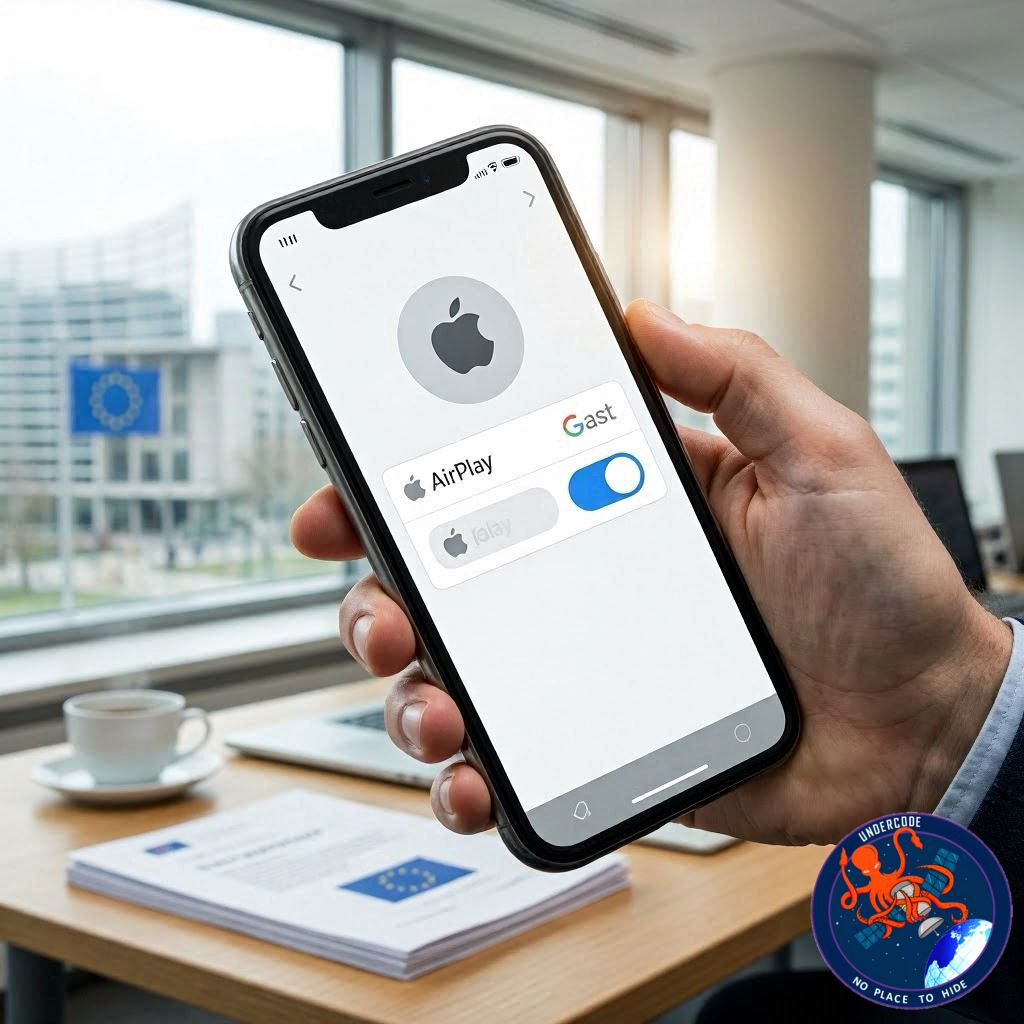 Apple Prepares a Major Streaming Change for iPhone Users
Apple may soon loosen one of its most tightly controlled ecosystem features. According to recent reports, the company is preparing to allow third-party wireless streaming protocols, including Google Cast, to replace AirPlay at a system level on iPhones and iPads. The move is reportedly connected to the European Union’s Digital Markets Act (DMA), a regulation designed to force large tech companies into offering more open digital ecosystems.
The feature is rumored to arrive with iOS 27 and would potentially allow users to select an alternative default streaming method for sending videos, music, and photos from their Apple devices to smart TVs, speakers, and other connected hardware. While Apple has historically kept AirPlay deeply integrated into its ecosystem, EU regulators continue pushing the company toward interoperability and user freedom.
If implemented, this would mark one of the biggest changes to Apple’s media ecosystem in years. Instead of being locked into AirPlay-compatible devices, users in Europe could theoretically use Google Cast or other protocols natively without relying on Bluetooth workarounds or proprietary integrations.
The report comes from Bloomberg journalist Mark Gurman, who claims Apple is actively building support for these third-party streaming systems inside iOS. The change appears to mirror other EU-exclusive concessions Apple has already made, such as allowing third-party app stores and alternative payment systems on iPhones.
Google Cast, formerly known as Chromecast, is expected to become the primary beneficiary of this change. Many hotels, televisions, and smart home products already support Google Cast instead of AirPlay. Native integration would remove the friction many Apple users currently face when trying to connect to those devices.
The impact could extend beyond Google. Smart speaker manufacturers, streaming stick makers, and TV companies may finally gain equal access to iOS streaming capabilities without needing official AirPlay certification. That could significantly reduce hardware limitations across the smart home market.
For years, AirPlay has been one of Apple’s strongest ecosystem retention tools. It helped encourage users to purchase Apple TVs, HomePods, and certified accessories. Allowing competitors direct system access represents a rare strategic compromise from the company.
However, there is an important catch. The feature will most likely remain exclusive to the European Union. Apple has repeatedly limited DMA compliance changes to EU regions only. Users in the United States, Asia, and other markets may not receive native support for Google Cast or similar alternatives anytime soon.
This regional restriction reflects Apple’s broader strategy of complying with regulations only where legally required. The company has consistently argued that forced interoperability can weaken security and reduce the seamless user experience it promotes across its ecosystem.
Still, consumer demand for broader compatibility continues growing. Travelers frequently encounter hotel televisions supporting only Chromecast-based streaming. Android users often enjoy easier integration in those environments, while iPhone users are forced to rely on screen mirroring limitations or external apps.
The rumored iOS 27 feature could dramatically improve that situation for European users. Instead of needing dedicated AirPlay support everywhere, iPhones could become more universally compatible with existing smart devices.
The report also indirectly highlights how much influence the European Union now has over global technology platforms. The DMA has already pushed Apple into opening app distribution, browser engines, NFC payment systems, and now potentially media streaming infrastructure.
For Apple, this is no longer just about regulations. It is about balancing ecosystem control with increasing legal pressure from governments determined to reduce monopolistic digital behavior.
What Undercode Say:
Apple’s Ecosystem Lock-In Strategy Is Slowly Cracking
Apple built one of the most profitable ecosystems in technology history by controlling hardware, software, services, and accessory compatibility under a single umbrella. AirPlay was never just a streaming protocol. It was an ecosystem retention mechanism.
Every time a consumer purchased an AirPlay-compatible speaker or Apple TV, they became more invested in remaining inside Apple’s ecosystem. This strategy reduced customer churn and strengthened brand loyalty over time.
The European Union clearly recognizes this dynamic.
The DMA is not targeting individual features randomly. Regulators are systematically attacking the structural advantages that keep users locked into dominant digital platforms. Third-party app stores weakened App Store exclusivity. Alternative browser engines weakened Safari’s control. Now, alternative streaming protocols threaten AirPlay’s ecosystem moat.
Google Cast Could Gain Massive Momentum
Google Cast already dominates many public and hospitality environments because it is easier and cheaper for manufacturers to implement. Hotels, budget TVs, Android-based streaming devices, and conference room systems heavily rely on Chromecast technology.
Native iOS integration would instantly make those devices more appealing to Apple users.
That creates a rare situation where Apple could unintentionally strengthen a competitor’s ecosystem while complying with regulations.
Smart Home Competition May Intensify
If third-party streaming protocols gain deep system-level access, manufacturers may stop prioritizing AirPlay certification entirely. Why pay Apple licensing fees or engineering costs if iPhones can directly support universal standards?
This could accelerate the shift toward open smart home ecosystems rather than brand-specific ones.
Companies like Google, Amazon, Roku, and Samsung would likely benefit from reduced Apple gatekeeping.
Apple’s Regional Fragmentation Problem Is Growing
One overlooked issue is how fragmented the iPhone experience is becoming worldwide.
European users already have features unavailable in the United States:
Third-party app stores
Alternative browser engines
External payment systems
Potential sideloading flexibility
Possibly native Google Cast support soon
Meanwhile, non-EU users remain inside Apple’s traditional restrictions.
Over time, this creates inconsistent software experiences across regions, which could become increasingly difficult for Apple to manage politically and technically.
AirPlay’s Future Might Depend on Premium Features
Apple will probably respond strategically instead of abandoning AirPlay entirely.
The company may transform AirPlay into a premium ecosystem feature focused on:
Higher audio quality
Better latency optimization
Enhanced HomeKit integration
Exclusive multi-device synchronization
Spatial audio enhancements
In other words, Apple could allow basic interoperability while reserving advanced capabilities for its own ecosystem.
Security Will Become Apple’s Main Argument
Expect Apple to aggressively emphasize privacy and security concerns.
The company historically frames ecosystem restrictions as consumer protection measures. If third-party streaming protocols receive deeper iOS access, Apple will likely highlight potential vulnerabilities involving:
Device discovery
Local network access
Streaming permissions
Smart home device spoofing
Whether those concerns are fully justified or partly strategic messaging is another debate entirely.
Developers and Hardware Brands Could Benefit
Accessory makers may finally gain equal footing without requiring official Apple partnerships.
That lowers barriers for:
Budget smart TVs
Wireless speaker startups
Hospitality entertainment systems
Conference room streaming tools
Cross-platform smart home devices
In practice, this could create a more flexible ecosystem for consumers while weakening Apple’s historical control model.
The DMA Is Reshaping Silicon Valley
The biggest story here is not AirPlay itself.
The real story is that governments are now directly redesigning platform behavior inside Silicon Valley.
For years, tech giants dictated ecosystem rules unchallenged. Now regulators are forcing interoperability at a structural level. Apple is adapting because it has no realistic alternative inside Europe.
That power shift may define the next decade of consumer technology.
Deep analysis :
Example Chromecast discovery using mDNS
avahi-browse -rt _googlecast._tcp
Scan local smart streaming devices
nmap -sV 192.168.1.0/24
Check AirPlay-enabled services
dns-sd -B _airplay._tcp
Analyze multicast traffic for streaming protocols
tcpdump -i wlan0 multicast
Test local casting ports
nc -zv 192.168.1.15 8009
Discover UPnP streaming devices
gssdp-discover
View active Bonjour services
dns-sd -B _services._dns-sd._udp
Capture mDNS packets
wireshark
The deeper technical implication is interoperability at the protocol layer. AirPlay traditionally relied heavily on Bonjour discovery and proprietary optimizations, while Google Cast leverages DIAL, mDNS, and cloud-assisted communication. Native coexistence inside iOS means Apple engineers must architect a more flexible networking abstraction layer that can dynamically prioritize multiple casting standards.
That alone is a massive engineering shift compared to Apple’s historically closed streaming stack.
Another interesting angle involves enterprise environments. Businesses often deploy Google Cast because of lower deployment costs and wider compatibility across mixed-device workplaces. Native iPhone support could remove one of the final friction points preventing broader adoption in Apple-heavy offices.
Streaming wars are no longer limited to Netflix or YouTube. The protocol layer itself is becoming strategic infrastructure.
🔍 Fact Checker Results
✅ Bloomberg’s Mark Gurman did report Apple is exploring third-party streaming protocol support for iOS 27.
✅ The rumored change is directly connected to European Union Digital Markets Act compliance efforts.
❌ Apple has not officially confirmed global availability, meaning non-EU rollout remains speculative.
📊 Prediction
📈 If Google Cast becomes natively integrated into iOS, hotel entertainment systems and smart TV manufacturers may gradually deprioritize AirPlay-exclusive support.
📉 Apple will likely introduce advanced premium-only AirPlay features to maintain ecosystem differentiation despite regulatory pressure.
🚨 The European Union’s DMA could eventually force similar interoperability changes across messaging, wearables, and smart home ecosystems beyond streaming technology.
▶️ Related Video (82% Match):
🕵️📝Let’s dive deep and fact‑check.
References:
Reported By: 9to5mac.com
Extra Source Hub (Possible Sources for article):
https://www.stackexchange.com
Wikipedia
OpenAi & Undercode AI
Image Source:
Unsplash
Undercode AI DI v2
Bing
🔐JOIN OUR CYBER WORLD [ CVE News • HackMonitor • UndercodeNews ]
📢 Follow UndercodeNews & Stay Tuned:
𝕏 formerly Twitter 🐦 | @ Threads | 🔗 Linkedin | 🦋BlueSky | 🐘Mastodon | 📺Youtube


