
Listen to this Post
 💡 A New Era of Smart Lighting for Mac Users
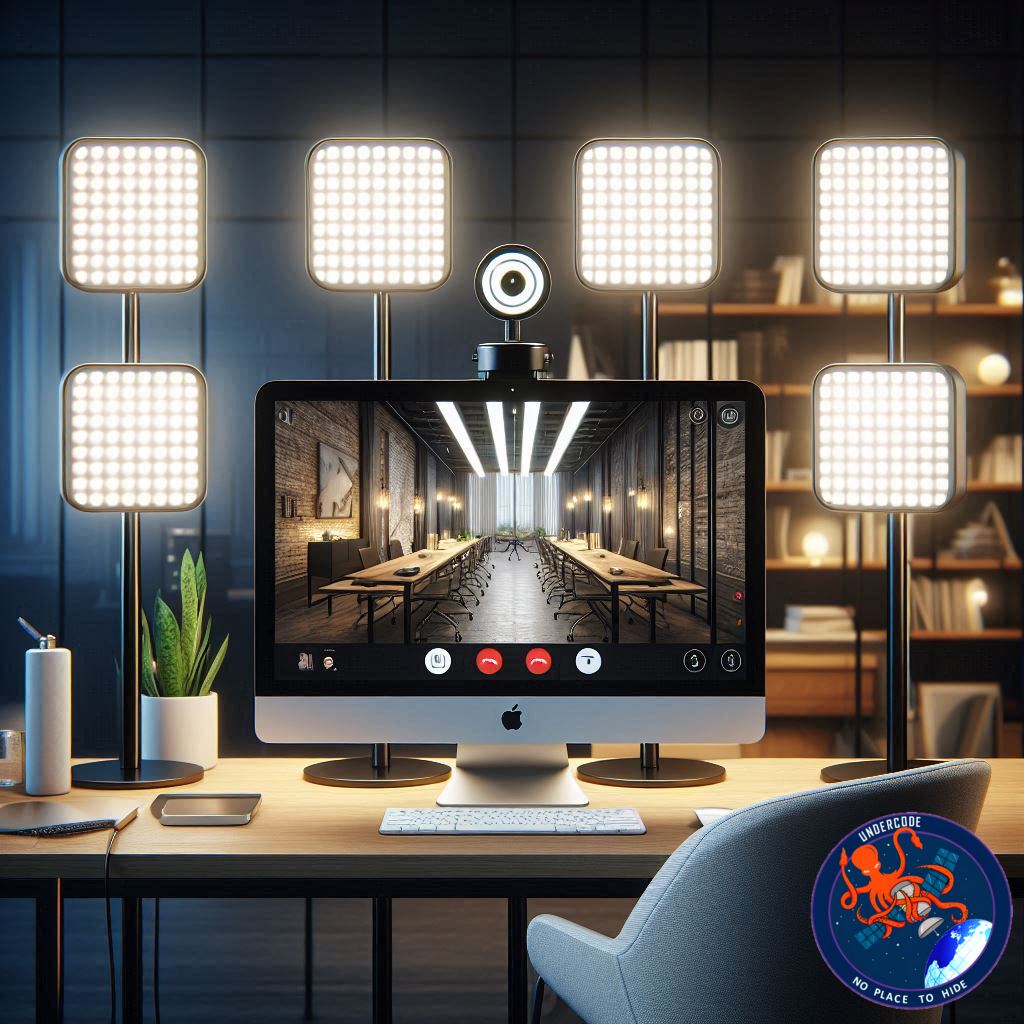
Apple’s next macOS update, codenamed Tahoe 26.2, is quietly testing a new and rather futuristic feature called Edge Light. It’s designed to replace the need for bulky, external ring lights during video calls. This built-in virtual illumination system surrounds your Mac’s display with a dynamic glow, bright enough to enhance your appearance on FaceTime, Zoom, and other video conferencing apps.
Edge Light operates using Apple’s Neural Engine, which intelligently detects your face, size, and position within the video frame. It then automatically adjusts the lighting intensity and direction based on the ambient light in your environment. Combined with the Image Signal Processor (ISP), it creates an adaptive lighting experience that mimics professional studio conditions. Users can tweak the color temperature—from warm golden hues to cool daylight tones—just like a photographer tuning an LED panel.
What makes it even more impressive is its invisible design philosophy. The virtual border appears on your screen but fades away when your cursor approaches the edge, ensuring it doesn’t distract you during use. It’s also cleverly engineered not to appear in screenshots or obscure the top menu bar, maintaining Apple’s signature minimalist user experience.
The rollout plan is clear. All Apple Silicon Macs will support Edge Light once macOS 26.2 officially launches in December. However, newer models—specifically Macs released in 2024 or later—will enjoy an automatic lighting mode that activates when low-light conditions are detected. Even Apple’s Studio Display and third-party external cameras paired with Apple Silicon devices can take advantage of this feature.
Currently, developers have early access to Edge Light through Apple’s beta program, and first impressions suggest it could redefine how users appear on camera. Instead of struggling with shadows, uneven tones, or dim rooms, Edge Light offers a digital solution that adjusts in real time—no cables, no lamps, no clutter.
What Undercode Say:
Apple’s push toward virtualized hardware replacements continues to reshape its ecosystem. The Edge Light feature fits perfectly into this broader pattern of integrating AI-assisted tools directly into the macOS experience. Over the last few years, Apple has been steadily transferring traditionally external accessories—microphones, cameras, and now lighting—into the digital domain using software intelligence.
The technological backbone of Edge Light rests on neural computation and image processing synergy. Apple’s Neural Engine doesn’t just track faces; it interprets spatial and lighting data to simulate natural illumination. This goes beyond cosmetic enhancement. By creating a responsive virtual light source, Apple effectively bridges the gap between professional studio lighting and everyday video communication.
There’s also a quiet marketing message behind this innovation. Apple is targeting professionals who rely heavily on video calls—remote workers, digital creators, and educators. With hybrid work now the norm, lighting quality has become part of personal branding. A well-lit face conveys professionalism and confidence, traits that Apple’s ecosystem wants to automate for its users.
The inclusion of automatic low-light activation for newer Macs signals Apple’s ongoing commitment to hardware differentiation. Features like this subtly encourage users to upgrade, reinforcing the value proposition of the latest Apple Silicon chips. Yet, it’s a clever form of enhancement—useful, not gimmicky.
From a design standpoint, the fading interaction of the border and the decision to exclude it from screenshots reflect Apple’s meticulous attention to user experience. They understand that visual comfort matters as much as function. Edge Light’s integration with the system layer, instead of as a third-party overlay, ensures consistent performance and aesthetic harmony across all apps.
The implications for creative industries are huge. For instance, content creators, YouTubers, and virtual instructors could benefit from an automated lighting setup that adjusts instantly to changes in natural daylight. This could cut down setup time, reduce hardware costs, and maintain consistency during long recording sessions.
Moreover, this feature hints at where Apple is heading next. By fusing software intelligence with environmental sensing, they are laying the foundation for context-aware computing. In the near future, your Mac could analyze not only your lighting but your posture, background, and even eye movement to optimize how you appear online. Edge Light is just the beginning of this immersive, AI-driven interface evolution.
In essence, Apple is moving toward a world where the device becomes invisible, and experience takes center stage. Lighting, audio, and visual adjustments blend seamlessly into one intelligent system—precisely tuned to make humans look their best without any manual effort.
🔍 Fact Checker Results
✅ Edge Light is confirmed as a feature in macOS 26.2 beta testing.
✅ It relies on Apple’s Neural Engine and Image Signal Processor.
✅ Scheduled public release for all Apple Silicon Macs in December 2025.
📊 Prediction
By mid-2026, Edge Light could become a standard feature across all Apple devices, including iPads and future MacBooks. 🌙
This innovation may push third-party lighting accessories toward niche use, transforming how users approach virtual presence. 💡
Expect Apple to evolve Edge Light into a multi-sensor environment system, capable of adjusting not just light—but ambiance itself. 🔮
🕵️📝✔️Let’s dive deep and fact‑check.
References:
Reported By: timesofindia.indiatimes.com
Extra Source Hub (Possible Sources for article):
https://stackoverflow.com
Wikipedia
OpenAi & Undercode AI
Image Source:
Unsplash
Undercode AI DI v2
Bing
🔐JOIN OUR CYBER WORLD [ CVE News • HackMonitor • UndercodeNews ]
📢 Follow UndercodeNews & Stay Tuned:
𝕏 formerly Twitter 🐦 | @ Threads | 🔗 Linkedin | 🦋BlueSky | 🐘Mastodon


