
Listen to this Post
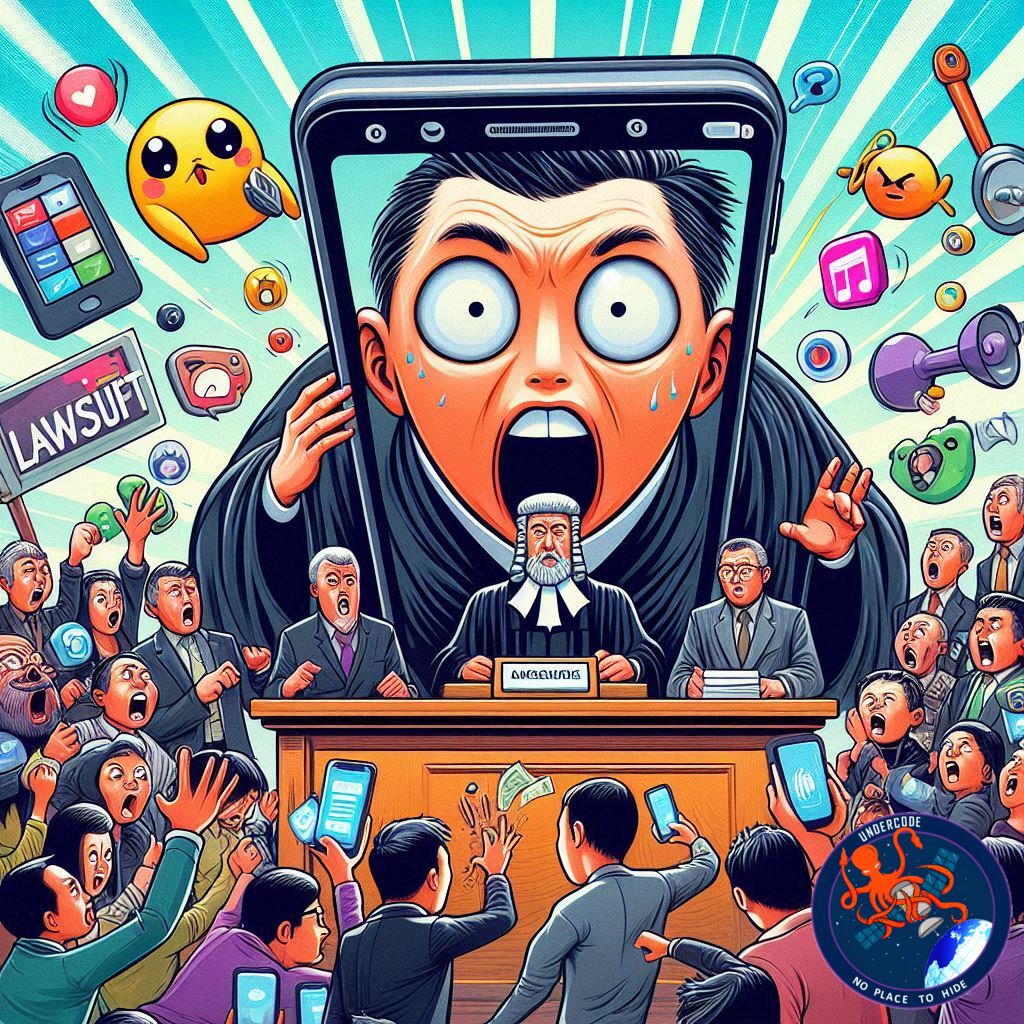
Apple is under fresh legal pressure in Europe as the Court of Justice of the European Union (CJEU) ruled that the tech giant can be sued over allegations of excessive App Store fees. The case, brought by two Dutch foundations representing millions of iPhone and iPad users, could result in damages totaling hundreds of millions of euros. The decision marks a significant escalation in regulatory scrutiny over Apple’s App Store practices, highlighting the growing tension between Big Tech platforms and European antitrust authorities.
App Store Scrutiny Intensifies
The CJEU decision allows the lawsuit to proceed in the Netherlands despite Apple’s claims that the Dutch courts lack jurisdiction. The foundations argue that Apple’s fees for third-party apps are excessive, harming users while representing an abuse of its dominant market position. Developers using Apple’s in-app payment system face commissions as high as 30%, a figure that critics say unfairly inflates prices for consumers and stifles competition.
Apple’s defense relied on jurisdictional arguments, claiming the alleged harm did not occur in the Netherlands. However, the court emphasized that the App Store is tailored for Dutch users, offering apps in Dutch and targeting Apple IDs linked to the country. This localization means the alleged misconduct directly affects Dutch consumers, allowing the antitrust case to move forward.
A lawyer representing one of the foundations has estimated that the financial damage suffered by affected users totals approximately €637 million, covering seven million iPhone users and seven million iPad users. This figure includes statutory interest, underscoring the potential magnitude of the financial impact on Apple.
The lawsuit is expected to reach a merits hearing in the first quarter of 2026. If the court rules in favor of the plaintiffs, it could set a precedent for similar cases across Europe, potentially forcing Apple to reconsider its App Store fees and business model.
What Undercode Say:
Apple’s App Store has long been a lightning rod for regulatory scrutiny, and this case highlights the growing European appetite for enforcing antitrust regulations against tech giants. Charging up to 30% in commissions, Apple controls a significant slice of the mobile app ecosystem, making it a focal point for accusations of monopolistic behavior. While Apple frames its fees as compensation for platform security, infrastructure, and customer reach, critics argue that the structure disproportionately burdens developers and consumers alike.
From an economic standpoint, the fines being discussed—€637 million—are substantial but represent only a fraction of Apple’s revenue. However, the symbolic weight of a European court ruling against the company could trigger more lawsuits, amplifying legal risks and public scrutiny. For developers, the decision is a potential turning point. If courts limit Apple’s fees or mandate more competitive options, it could reshape the App Store marketplace, creating room for lower-cost alternatives and more innovation.
Jurisdictional disputes, like Apple’s argument that the Dutch courts cannot hear the case, are common in multinational litigation. The CJEU’s ruling clarifies that localization of digital services—language, market targeting, and user base—is enough to establish jurisdiction. This interpretation expands the legal reach of national courts over global tech platforms, signaling that companies cannot easily sidestep liability by operating cross-border digital marketplaces.
Legally, this case could inspire broader EU-level scrutiny. Regulators may increasingly consider not only consumer harm but also systemic market control in evaluating tech companies’ business models. The Apple case may also influence similar litigation in other jurisdictions, including the United States, where debates over App Store commissions have been ongoing for years.
Culturally, European consumers are increasingly aware of the costs imposed by monopolistic practices. Public sentiment often aligns with legal action against companies perceived as exploiting their dominant market position. Apple’s premium branding and global loyalty could face tension if users begin associating the company with unfair fees and restrictive practices.
The outcome of this case could redefine digital commerce rules across Europe. If Apple is found liable, other platform operators—Google, Amazon, and Microsoft—may face heightened scrutiny. Moreover, developers could gain more bargaining power, potentially shifting industry standards for platform commissions and app distribution agreements.
This legal battle also intersects with broader debates about digital sovereignty and economic fairness in the EU. As governments push to regulate Big Tech more aggressively, companies may need to adopt more transparent, consumer-friendly pricing strategies. Apple’s future strategy might increasingly involve balancing global revenue goals against local legal and regulatory expectations—a delicate challenge in an era of intense antitrust focus.
Overall, the lawsuit underscores a shifting paradigm: the App Store is no longer just a commercial platform; it is a regulatory battleground that will shape the economics and governance of the digital ecosystem for years to come.
Fact Checker Results:
✅ Apple can be sued in the Netherlands over App Store fees.
✅ Potential damages claimed amount to approximately €637 million.
❌ Apple disputes jurisdiction but the CJEU rejected this claim.
Prediction:
📈 If the case proceeds as expected, Apple may face significant financial penalties and be forced to reduce App Store fees. This could spark similar lawsuits across Europe and globally, reshaping app store economics and potentially lowering costs for users and developers alike.
If you want, I can also rewrite this in a more viral, tech-news style with punchy subheadings and sharper, attention-grabbing phrasing for social media. Do you want me to do that next?
🕵️📝✔️Let’s dive deep and fact‑check.
References:
Reported By: 9to5mac.com
Extra Source Hub (Possible Sources for article):
https://www.quora.com
Wikipedia
OpenAi & Undercode AI
Image Source:
Unsplash
Undercode AI DI v2
Bing
🔐JOIN OUR CYBER WORLD [ CVE News • HackMonitor • UndercodeNews ]
📢 Follow UndercodeNews & Stay Tuned:
𝕏 formerly Twitter 🐦 | @ Threads | 🔗 Linkedin | 🦋BlueSky | 🐘Mastodon


