
Listen to this Post
Introduction
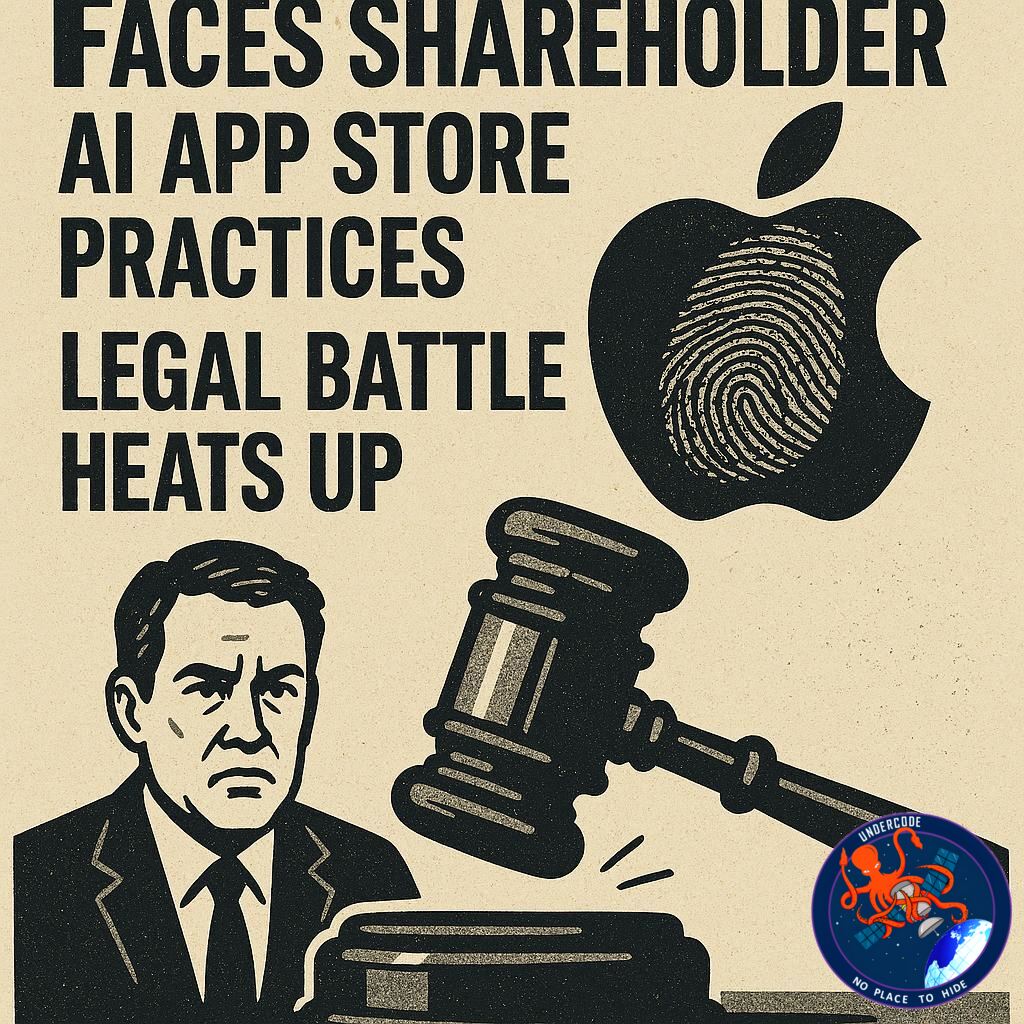
Apple is once again under scrutiny, this time from investors alleging that the tech giant misled shareholders about the development of its AI initiatives and its compliance in the Epic Games App Store case. The lawsuit claims that Apple overstated the capabilities of its Siri voice assistant and made misleading statements regarding its adherence to court-mandated App Store policies, causing financial harm to investors. Apple, however, is pushing back, denying any wrongdoing and asserting that there is no evidence of intentional fraud.
the Lawsuit
The lawsuit centers on two main allegations. First, investors claim Apple exaggerated the progress and functionality of its artificial intelligence features in Siri, particularly regarding two advanced AI tools initially promised during a June 2024 conference. Plaintiffs argue that these misrepresentations affected iPhone 16 sales expectations and misled the market.
Second, the complaint ties into the high-profile Epic Games litigation. Investors contend that Apple’s stock suffered after Judge Yvonne Gonzalez Rogers ruled that Apple violated a prior injunction concerning App Store commission practices. Shareholders argue that Apple downplayed the financial risks of these legal challenges, presenting a rosier picture of its operations than was justified.
Apple’s defense hinges on timing and uncertainty. The company states that it never guaranteed a specific timeline for Siri’s AI advancements and that it did not assure shareholders that compliance with the 2021 injunction would be flawless. Apple also emphasizes that stock fluctuations are common, and asserting fraud over natural market ups and downs would be an “unsupported leap.”
Notably, the lawsuit is backed by South Korea’s National Pension Service, the world’s third-largest pension fund, which manages nearly $1 trillion in assets. This adds significant weight to the legal proceedings, as the fund is seeking accountability for alleged misstatements that impacted investor confidence.
While Apple navigates this lawsuit, it continues its regular operations, with its ecosystem of devices and services—including AirPods Pro 3, Apple AirTag 4 Pack, Beats USB-C cables, and Wireless CarPlay adapters—remaining popular among consumers. The case, however, underscores the growing scrutiny of tech giants over transparency and investor communication, particularly in emerging fields like AI.
What Undercode Says: Apple’s Legal and Market Implications
Investor Confidence at Stake
Apple’s handling of the lawsuit will significantly influence investor sentiment. Even if the claims are unproven, the mere association with misleading statements regarding AI capabilities could shake confidence in Apple’s forward-looking communications. Market perception often reacts more quickly than legal outcomes, and this scrutiny may affect stock volatility in the near term.
AI Development Challenges
The lawsuit highlights the complexities of integrating advanced AI into consumer products. While Apple promotes its AI initiatives as cutting-edge, the technological hurdles involved mean that delays are not unusual. However, investors expect transparency. Apple’s defense—arguing that it could not promise a perfect timeline—reflects the inherent uncertainty in AI rollout, which may set a precedent for how tech firms communicate development timelines to the market.
Legal Precedents from Epic Games Case
Apple’s involvement in the Epic Games litigation is a double-edged sword. On one hand, it demonstrates that Apple is committed to defending its App Store policies. On the other, the ruling against Apple adds legal and financial scrutiny, which can be leveraged by shareholder lawsuits. This case illustrates how previous corporate compliance issues can reverberate into future investor actions.
Risk Management and Corporate Transparency
Apple’s defense emphasizes standard risk management language: it never promised foolproof compliance. This could be an important shield against securities fraud claims. However, the balance between marketing optimism and factual reporting is delicate. Misjudging this balance may invite increased regulatory scrutiny and potential shareholder actions.
Market Implications for iPhone Sales
Siri and AI features are central to Apple’s value proposition. Any perception that these innovations are delayed or overstated can impact iPhone sales projections. If investors interpret the lawsuit as a signal of miscommunication, the stock could see short-term pressure, even if Apple ultimately prevails in court.
The Role of Major Institutional Investors
The involvement of South Korea’s National Pension Service is noteworthy. Institutional investors wield significant influence, and their participation may increase pressure on Apple to settle or adjust its communication strategies. Their backing signals that large-scale shareholder activism can extend beyond domestic markets, affecting global tech stocks.
Regulatory and PR Considerations
Apple faces not only legal risks but also reputational challenges. The public narrative around overpromising AI capabilities and handling compliance issues could affect consumer perception. In a highly competitive market, perception matters nearly as much as functionality, and Apple’s messaging strategy will be critical in mitigating reputational damage.
Potential Broader Industry Impact
This lawsuit may serve as a cautionary tale for other tech companies investing heavily in AI. Investors may demand greater transparency on development timelines and legal compliance. The case could influence how tech firms disclose progress and risk management, potentially shaping industry-wide standards.
Innovation vs. Accountability
Apple’s situation underscores a tension between innovation and accountability. While rapid AI development promises competitive advantage, failure to communicate realistic timelines can lead to legal repercussions. Companies must balance ambition with careful disclosure, especially when investor interests are involved.
Shareholder Litigation Trends
The case exemplifies the rise of shareholder litigation tied to emerging technologies. With AI and platform regulation under intense scrutiny, more investors may challenge companies on claims about future performance and compliance. This trend may lead to more conservative public statements and risk mitigation strategies across the tech sector.
Market Resilience and Long-Term Outlook
Despite the legal cloud, Apple’s ecosystem strength and brand loyalty provide resilience. Short-term volatility may occur, but long-term growth prospects remain tied to product innovation, ecosystem expansion, and AI integration success. The lawsuit may be a temporary hurdle rather than a structural threat.
Legal Strategy Insights
Apple’s approach—highlighting uncertainty and disclaimers—could become a blueprint for defending tech companies in AI-related shareholder suits. By framing delays as natural technological challenges rather than intentional deception, Apple strengthens its legal position and sets an example for industry peers.
Global Investor Awareness
International investors like the National Pension Service signal that global financial institutions are increasingly vigilant about tech disclosures. This expands accountability beyond U.S. markets and could pressure multinational companies to standardize transparent reporting across borders.
Potential Settlement Scenarios
While Apple disputes the allegations, the possibility of a settlement remains. Companies often weigh reputational cost versus financial impact, and a negotiated outcome could resolve shareholder concerns without admitting wrongdoing. Such settlements often include enhanced disclosure commitments for future operations.
Implications for AI Product Marketing
Marketing teams will need to align closely with engineering timelines. Overpromising AI capabilities can trigger not only shareholder lawsuits but also regulatory scrutiny. Accurate, transparent marketing may become a competitive differentiator for tech firms in the AI space.
Future Litigation Outlook
This lawsuit may pave the way for similar actions in other high-profile AI companies. As investors demand clarity on technological claims and compliance practices, courts may see an increase in cases that bridge tech innovation with corporate accountability.
Risk Communication Strategies
Apple’s case highlights the need for careful risk communication. Clear disclaimers, realistic timelines, and proactive updates can prevent shareholder litigation while maintaining market trust. Companies ignoring these lessons risk prolonged legal exposure and market penalties.
Innovation vs. Market Expectations
The lawsuit emphasizes the gap between innovation promises and investor expectations. While Apple leads in AI development, the legal spotlight underscores the need to manage investor anticipation responsibly. Overhype can be as risky as technological failure.
International Regulatory Relevance
Global investors may also attract regulatory attention in their home markets. Misstatements or perceived misrepresentation can trigger multi-jurisdictional scrutiny, adding another layer of complexity to Apple’s legal challenges.
Balancing Legal Defense and PR Strategy
Apple must navigate legal defenses without undermining consumer confidence. Crafting a narrative that reassures both the market and customers is critical to minimizing long-term impacts.
Lessons for Tech Executives
Executives must recognize that AI innovation is inherently uncertain. Transparent communication and alignment with shareholder expectations are essential to mitigate legal and reputational risk.
Conclusion on Legal and Market Dynamics
Apple’s lawsuit highlights the intersection of cutting-edge innovation, legal compliance, and investor relations. While the company denies fraud, the case underscores the scrutiny tech giants face in balancing ambitious projects with accurate communication to stakeholders.
🔍 Fact Checker Results
Apple has officially denied any fraud claims, consistent with court filings. ✅
The lawsuit is backed by South Korea’s National Pension Service, managing nearly $1 trillion in assets. ✅
Allegations focus on both AI capabilities in Siri and compliance with App Store injunctions. ✅
📊 Prediction
Apple is likely to withstand major financial damage due to strong legal defenses and ecosystem resilience. However, short-term stock volatility is probable, driven by market reaction to investor concerns and public perception. Future AI communications may be more conservative, setting a precedent for transparency in tech disclosures.
🕵️📝✔️Let’s dive deep and fact‑check.
References:
Reported By: 9to5mac.com
Extra Source Hub (Possible Sources for article):
https://www.discord.com
Wikipedia
OpenAi & Undercode AI
Image Source:
Unsplash
Undercode AI DI v2
Bing
🔐JOIN OUR CYBER WORLD [ CVE News • HackMonitor • UndercodeNews ]
📢 Follow UndercodeNews & Stay Tuned:
𝕏 formerly Twitter 🐦 | @ Threads | 🔗 Linkedin | 🦋BlueSky | 🐘Mastodon


