
Listen to this Post
Introduction
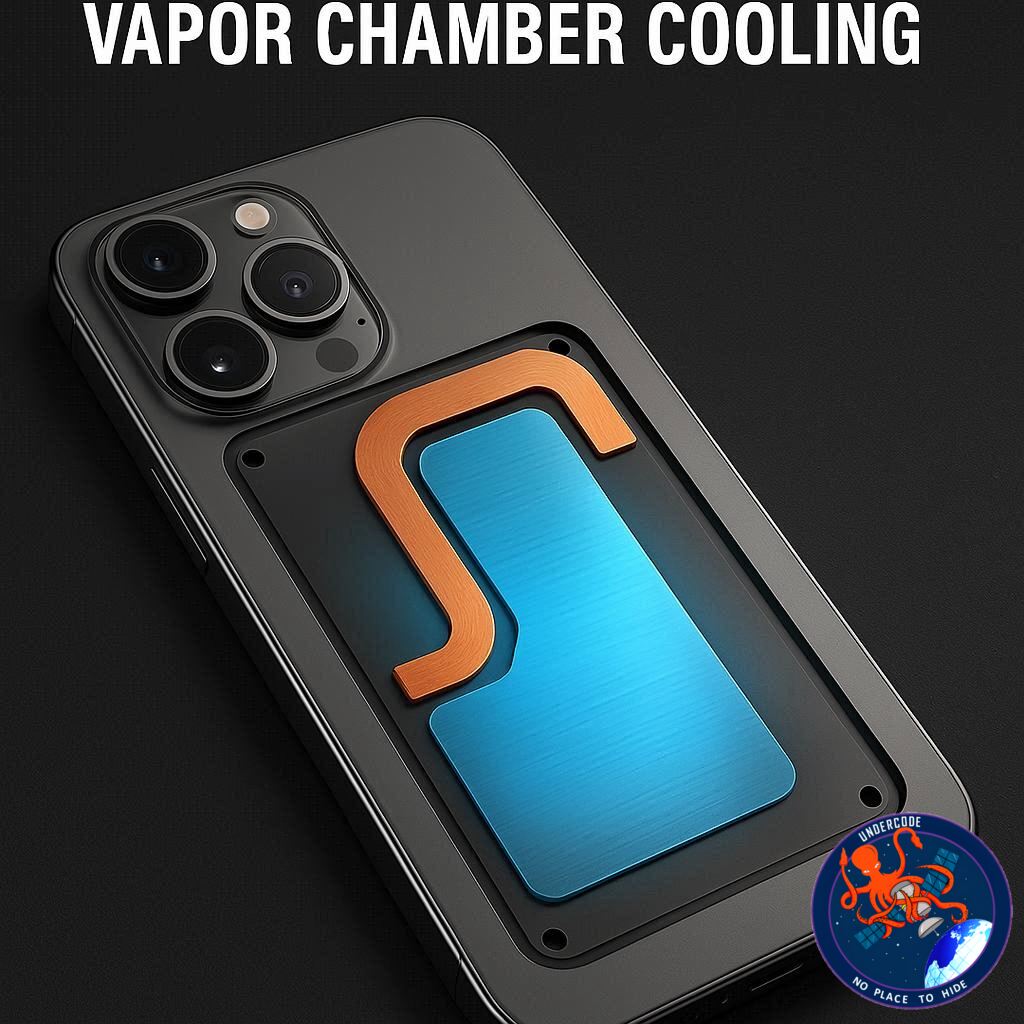
After years of speculation, Apple has finally introduced vapor chamber cooling technology in its latest flagship, the iPhone 17 Pro. This long-awaited innovation is designed to tackle overheating issues while unlocking higher sustained performance for gaming, multitasking, and heavy processing tasks. Apple revealed the feature at its Awe Dropping event, sparking widespread discussions among tech enthusiasts. But what exactly does a vapor chamber do, and why is this such a big deal for iPhones? Let’s break it down.
iPhone 17 Pro Vapor Chamber Cooling Explained
For years, tech insiders hinted at Apple experimenting with vapor chambers, but only now has the technology made its debut. A vapor chamber is essentially a heat dissipation system that uses deionized water sealed inside a metal enclosure. When the internal components generate heat, the water vaporizes, spreads the heat across the chamber, and then condenses back into liquid, continuously repeating the cycle.
Apple’s SVP of Worldwide Marketing, Greg Joswiak, explained that the vapor chamber in the iPhone 17 Pro is laser-welded into the aluminum chassis. This design not only prevents overheating but also ensures smooth performance under demanding workloads, such as extended gaming or video rendering. The forged aluminum unibody efficiently releases heat, keeping the device cooler for longer.
The company showcased the feature with 3D renders, illustrating how thermal energy flows through the iPhone. While Apple provided a high-level overview, many users wanted a more in-depth technical explanation. That’s where the Know Art YouTube channel stepped in, offering a detailed look into vapor chamber manufacturing and functionality. Although filmed in a competitor’s factory, the process shown mirrors Apple’s approach closely.
Adding to the credibility, leaker Majin Bu had already posted photos of the vapor chamber before the official launch, which closely resembled Apple’s design. The early leaks hinted at Apple’s seriousness about solving performance throttling issues that plagued earlier models.
For users curious beyond the cooling system, Apple has also launched a full range of accessories including AirPods Pro 3 (preorder), Apple AirTags, and new Beats cables to complement the iPhone 17 Pro ecosystem.
What Undercode Say:
The arrival of vapor chamber cooling in iPhones marks a paradigm shift in Apple’s thermal management strategy. Until now, iPhones relied heavily on graphite layers and aluminum frames for passive cooling. While effective for light to moderate use, those methods struggled under sustained heavy loads. Gamers and power users often reported overheating, brightness dimming, and reduced performance — a clear drawback in a premium flagship device.
By adopting vapor chambers, Apple is not just catching up with Android rivals like Samsung, ASUS, and Xiaomi, who have been using similar systems for years — it’s refining the execution. Apple’s emphasis on precision welding, aluminum unibody integration, and optimized heat distribution suggests that its solution is more efficient and durable than many off-the-shelf implementations.
From an industry perspective, this move signals Apple’s recognition of mobile gaming and high-performance workloads as central to future iPhone usage. The iPhone 17 Pro is marketed heavily toward creators and professionals, making sustained performance a necessity, not a luxury.
There’s also a broader implication: with Apple pushing its A19 Pro Bionic chip to deliver desktop-level performance, cooling systems like vapor chambers are no longer optional — they’re essential. Without proper thermal regulation, even the most powerful chip can’t unleash its full potential.
Moreover, this innovation could inspire Apple to expand vapor chamber cooling to other products. The iPad Pro, MacBook Air, or even future Apple Watch Ultra models may benefit from similar engineering, especially as Apple keeps shrinking chips while increasing performance output.
From a consumer’s viewpoint, this change translates into better gaming stability, faster rendering, and cooler hands during prolonged use. For developers, it means apps can run longer at peak performance without triggering throttling. In simple terms: more reliable performance and a more enjoyable experience.
Competitively, Apple’s decision highlights a clear acknowledgment of Android’s strengths. While Apple has long dismissed features as “unnecessary” until it perfected them, the iPhone 17 Pro proves that certain engineering choices are unavoidable in today’s high-performance smartphone market.
Looking ahead, this move could open doors to sustained AR/VR workloads, smoother Apple Vision Pro integration, and even on-device AI computing without heat-related interruptions. Apple’s ecosystem thrives when devices work seamlessly together, and thermal efficiency is the backbone of that seamless experience.
Ultimately, the iPhone 17 Pro’s vapor chamber is more than just a cooling upgrade — it’s a statement that Apple is serious about performance consistency in a way it hasn’t been before.
✅ Fact Checker Results
Apple has officially confirmed the presence of a vapor chamber in the iPhone 17 Pro, backed by visuals and executive statements. Early leaks from Majin Bu aligned with the final design, and third-party analyses like Know Art’s video support how the technology functions. No false claims detected.
🔮 Prediction
Expect Apple to roll out vapor chamber cooling across more of its product lines in the next two years. The iPhone 17 Pro sets the precedent, but future Pro iPads, MacBooks, and possibly Apple’s AR/VR devices will likely feature the same technology, ensuring performance isn’t throttled by heat even under the heaviest workloads.
🕵️📝✔️Let’s dive deep and fact‑check.
References:
Reported By: 9to5mac.com
Extra Source Hub:
https://www.digitaltrends.com
Wikipedia
OpenAi & Undercode AI
Image Source:
Unsplash
Undercode AI DI v2
🔐JOIN OUR CYBER WORLD [ CVE News • HackMonitor • UndercodeNews ]
📢 Follow UndercodeNews & Stay Tuned:
𝕏 formerly Twitter 🐦 | @ Threads | 🔗 Linkedin | 🦋BlueSky | 🐘Mastodon


