
Listen to this Post
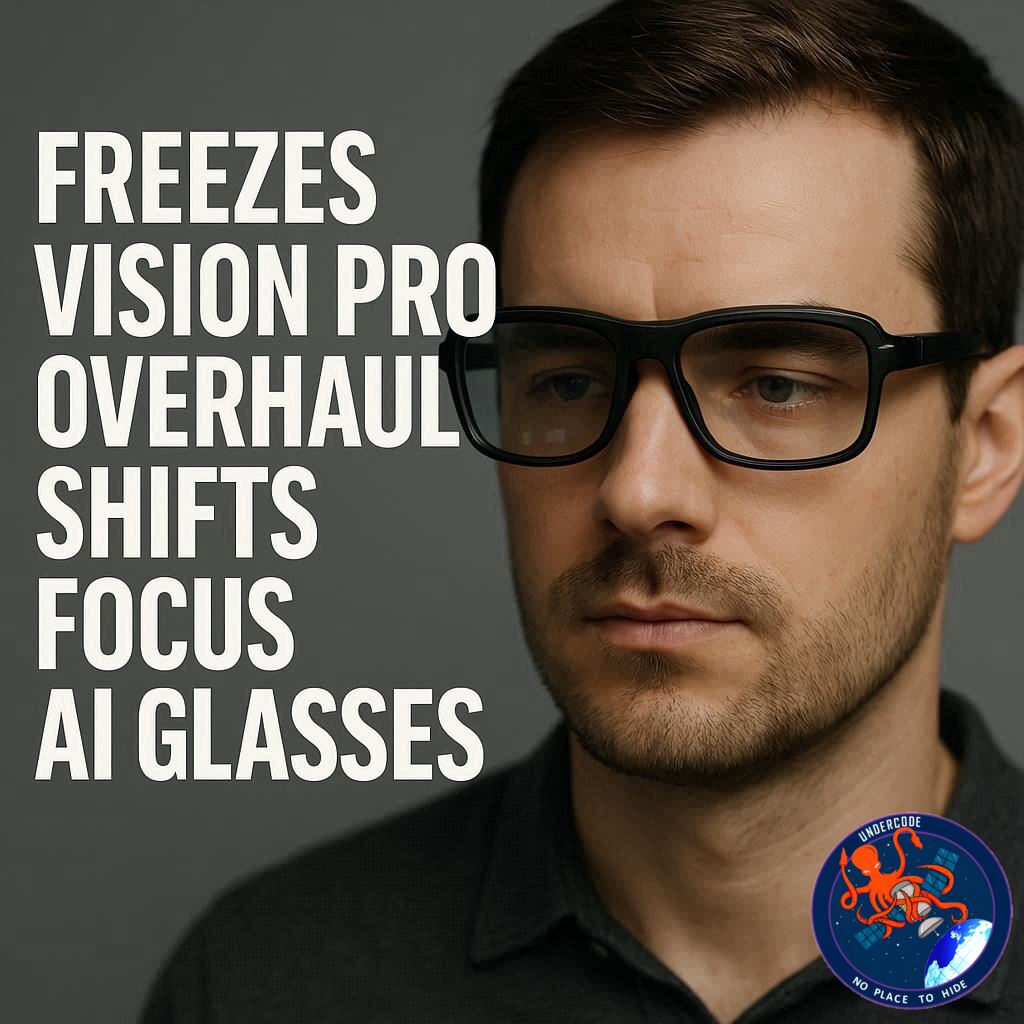
Introduction: A Surprising Strategic Pivot
Apple has long been known for bold innovation and carefully calculated product strategies. The company’s flagship mixed reality headset, the Vision Pro, was introduced as a glimpse into the future of computing. Yet, new reports from Bloomberg reveal that Apple is hitting the brakes on its ambitious plan to completely refresh the Vision Pro lineup. Instead, the tech giant is redirecting resources toward a different frontier: AI-powered smart glasses. This move signals a shift in Apple’s roadmap, prioritizing practical AI integration over bulky headsets, and it could redefine the wearable technology race.
Apple’s Current Direction and Vision Pro Pause
Apple has paused its plan to redesign and fully upgrade the Vision Pro headset, which was originally positioned as the company’s most advanced entry into augmented and mixed reality.
According to reports, Apple had been working on a lighter, cheaper version of the Vision Pro, targeting a release window around 2027. The idea was to compete directly with rivals such as Meta, which has aggressively pushed its Quest headsets into the consumer market at lower price points.
However, Apple has decided to suspend this project and pivot toward a new path: developing AI-driven smart glasses that could eventually serve as a more accessible and mainstream product.
This strategic adjustment highlights several key considerations:
Cost Factor: The Vision Pro, with its premium price tag, has struggled to attract mass-market adoption. A cheaper version might have reduced barriers but still faced the challenge of headset fatigue among users.
Competition Pressure: Meta’s dominance in affordable VR hardware forced Apple to reconsider whether a headset-focused strategy would yield long-term gains.
AI Momentum: Artificial intelligence has become the new battleground for tech supremacy, and Apple appears determined not to lag behind.
The company is now channeling research and development funds toward lightweight, AI-powered glasses, which could eventually integrate seamlessly into daily life. Unlike headsets, glasses can be worn for longer periods without discomfort, making them more suitable for mainstream adoption.
This decision does not mean Apple is abandoning mixed reality altogether. Instead, it reflects a recalibration of priorities, shifting focus from bulky goggles to sleeker, AI-first designs that may hold more commercial promise in the years ahead.
What Undercode Say:
Apple’s decision to suspend the Vision Pro overhaul in favor of AI glasses is not just a tactical move—it’s a major signal of where the wearable technology industry is heading.
For years, the AR/VR market has faced a paradox: the technology is impressive, but consumer adoption has been slow. Headsets like the Vision Pro are engineering marvels, yet their high cost, weight, and limited real-world utility prevent them from becoming everyday essentials. Apple, a company that thrives on mass-market penetration, clearly recognizes this mismatch.
Shifting focus to AI-driven glasses aligns perfectly with Apple’s DNA. Let’s break down why this matters:
User Comfort and Practicality: Headsets are still perceived as niche devices for gaming, design, or enterprise use. Glasses, on the other hand, could integrate smoothly into daily routines—navigation, communication, and instant AI assistance.
Strategic Rivalry: Meta may have dominated the VR headset market, but Apple has a chance to dominate AI wearables before competitors establish strong footholds.
AI Ecosystem Expansion: Apple has been criticized for being late in the AI race compared to Microsoft, Google, and OpenAI. By embedding AI into a practical, wearable form, Apple can leapfrog into the consumer AI space in a way that feels natural, not forced.
2027 Timeframe: While shelving the Vision Pro upgrade seems like a setback, it frees resources for faster development of AI glasses. By 2027, market readiness for smart glasses may be much stronger than for bulky headsets.
Another angle worth noting is Apple’s brand positioning. Apple rarely plays the role of the “early experimental” company. Instead, it waits for technology to mature, then launches a polished version that redefines the category. We saw this with the iPod, iPhone, and Apple Watch. If Apple is pivoting toward AI glasses now, it likely believes that the tipping point for mass adoption is near.
The risk, however, lies in execution. Creating lightweight, stylish glasses with powerful AI capabilities is no small feat. Miniaturization of components, battery life, privacy concerns, and display clarity remain significant challenges. If Apple fails to solve these, it risks repeating Google’s early stumble with Google Glass.
But if Apple succeeds, it won’t just compete with Meta—it will potentially reshape the way humans interact with technology daily. Imagine AI glasses that replace your smartphone for quick tasks, overlay real-time translations, provide health monitoring, and even function as a personal assistant visible only to you. That is the endgame Apple seems to be aiming for.
From a market standpoint, Apple is betting that consumers are ready to embrace AI as a constant companion, rather than VR as an occasional experience. It’s a smart bet. In fact, this could be the most disruptive hardware move since the iPhone.
Ultimately, Apple’s pivot should be seen less as a retreat and more as an evolutionary leap—a recalibration toward where the true growth lies: AI-powered everyday wearables.
Fact Checker Results
✅ Bloomberg confirmed Apple’s pause on the Vision Pro overhaul.
✅ Development of AI-driven smart glasses is being prioritized.
❌ No evidence yet of a firm release date or final product design.
Prediction
By 2027, Apple will likely unveil AI glasses that integrate deeply with iOS, replacing many functions of the iPhone. Early adoption may start slow, but once the ecosystem matures, these glasses could become Apple’s next billion-device category. Expect Apple to position them not as a gimmick, but as a must-have extension of personal computing 👓🤖📱.
🕵️📝✔️Let’s dive deep and fact‑check.
References:
Reported By: xtechnikkeicom_7f6d9f70d6f5a13568a076f2
Extra Source Hub:
https://www.medium.com
Wikipedia
OpenAi & Undercode AI
Image Source:
Unsplash
Undercode AI DI v2
🔐JOIN OUR CYBER WORLD [ CVE News • HackMonitor • UndercodeNews ]
📢 Follow UndercodeNews & Stay Tuned:
𝕏 formerly Twitter 🐦 | @ Threads | 🔗 Linkedin | 🦋BlueSky | 🐘Mastodon


