
Listen to this Post
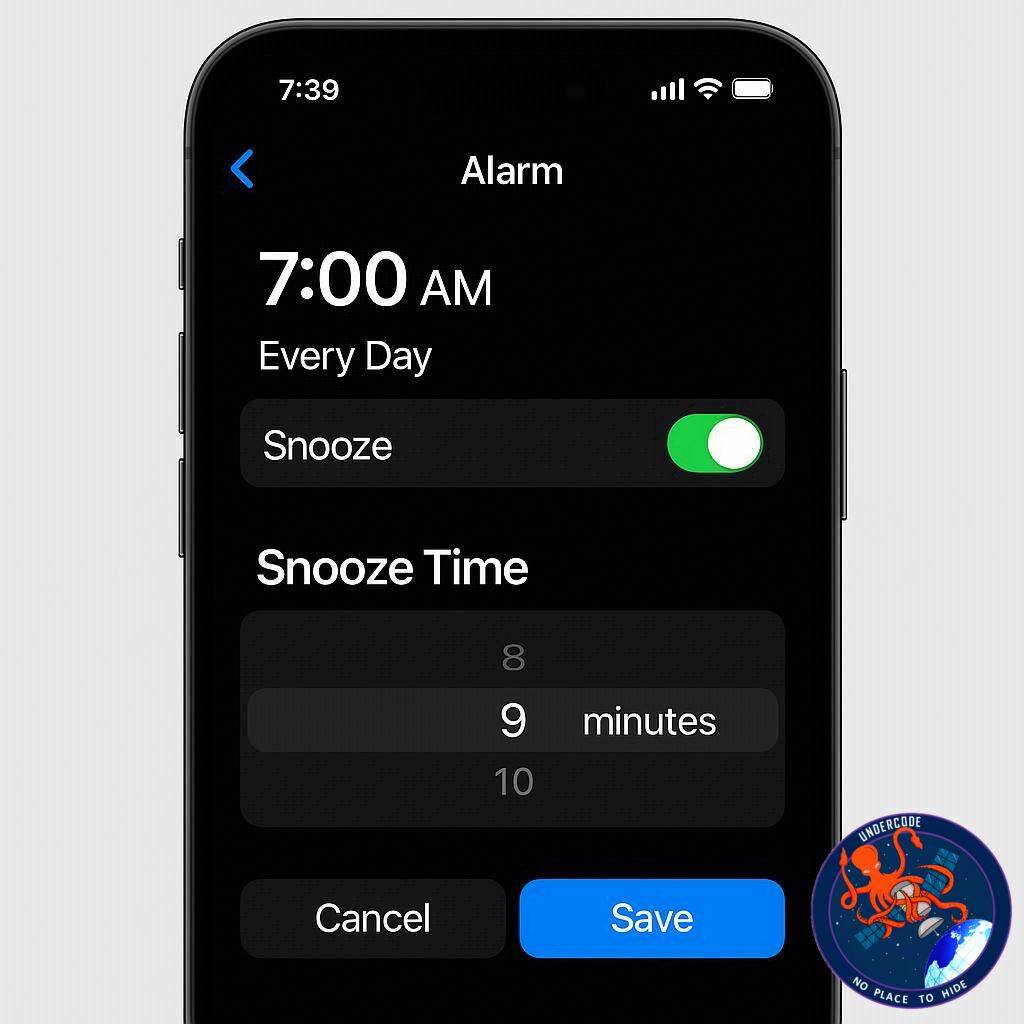
Wake Up Your Way: iOS 26 Introduces Custom Snooze Durations
Millions of iPhone users start their day with the familiar sound of their iPhone alarm. Until now, Apple’s built-in Clock app restricted snooze options to a fixed 9-minute duration, forcing users to either accept this limitation or set multiple alarms. With the launch of iOS 26, that’s all changed. Users can now personalize snooze durations, giving them full control over how they wake up.
Custom Snooze Durations: A Game-Changer for Your Morning Routine
For years, iPhone alarms only offered a 9-minute snooze, a quirk that many had simply accepted. Some created workarounds by setting multiple alarms to accommodate their sleep cycles. iOS 26 changes this by allowing users to set any snooze duration from 1 to 15 minutes. Whether you want a quick 2-minute reminder or a more leisurely 12-minute snooze, you now have the flexibility to customize your wake-up experience.
How It Works
The new snooze feature is easy to use. Each alarm can have its own unique snooze time, meaning you can tailor your morning routine based on the day’s schedule. A critical meeting? Keep it short. A slow weekend morning? Extend it. The default 9-minute snooze is still there, but customization is now just a few taps away.
Why This Matters
While this may seem like a minor update, the impact on daily routines could be significant. For light sleepers or those who struggle to wake up, being able to adjust snooze times could mean the difference between a smooth start and a stressful morning. This small tweak enhances user autonomy, letting each individual design the perfect alarm strategy for their lifestyle.
Accessories to Complement Your iPhone Wake-Up Routine
To enhance your morning experience, pairing your iPhone with accessories like AirPods Pro 3, MagSafe Car Mount, HomeKit smart plugs, or a 100W USB-C fast charger can make mornings more efficient and enjoyable.
What Undercode Say: An In-Depth Analysis 🧐
Apple’s decision to add custom snooze durations in iOS 26 demonstrates a subtle yet impactful user-focused innovation. By allowing snooze times from 1 to 15 minutes, Apple caters to a wider range of sleep and productivity habits, addressing a long-standing user frustration. This change may seem minor, but it reflects a broader trend: Apple is prioritizing personalization in everyday smartphone interactions.
Technically, the feature is simple but elegant. The Clock app now supports individualized snooze settings for each alarm, making the experience dynamic rather than static. Users no longer need to rely on multiple alarms or workarounds to manage wake-up schedules. From a UX perspective, this enhances flexibility without overwhelming the interface.
The update also aligns with behavioral science. Shorter snoozes can prevent oversleeping, while longer snoozes can help ease grogginess. By giving control to the user, Apple is indirectly promoting better sleep hygiene. Additionally, this personalization might reduce morning stress, as users can optimize their wake-up strategy to match daily priorities.
Economically, this is a subtle but smart move. While it doesn’t increase hardware sales directly, improved software usability strengthens user loyalty, potentially boosting engagement with Apple services and ecosystems. As more iPhone users discover this feature, it could drive higher satisfaction rates, translating into positive word-of-mouth and long-term brand retention.
In terms of competitive analysis, Apple is catching up to third-party alarm apps, which have long offered customizable snooze options. By integrating this functionality directly into the native Clock app, Apple reduces reliance on external apps, consolidating user habits within its ecosystem.
From a social standpoint, this update also encourages conversation. People sharing their preferred snooze durations or morning routines may foster online engagement, which in turn raises visibility for Apple’s ecosystem enhancements.
Behaviorally, this small tweak could influence sleep patterns over time. Users who experiment with different snooze lengths might find an optimal routine that enhances productivity and well-being. It’s a prime example of how a minor software adjustment can have a disproportionate impact on daily life.
This feature also opens doors for future refinements. Imagine integrating AI-driven suggestions for snooze durations based on sleep tracking data or calendar events. Such enhancements could further personalize mornings, making the iPhone not just a tool, but a personal sleep assistant.
Fact Checker Results ✅❌
✅ iOS 26 now allows snooze durations from 1 to 15 minutes.
✅ Each alarm can have a unique snooze setting.
❌ The default 9-minute snooze is no longer available — it remains the standard option but is fully adjustable.
Prediction 🔮
As iOS 26 rolls out, we can expect users to experiment with customized snooze schedules more than ever. Shorter snoozes may become popular for highly structured mornings, while longer snoozes could see heavy use on weekends. Over time, Apple may even expand this functionality to integrate with sleep tracking, AI-powered wake-up suggestions, or HomeKit routines, making personalized alarm management a central feature of the iPhone ecosystem. The trend toward user-centric customization is likely to accelerate, setting the stage for smarter, more intuitive mornings.
🕵️📝✔️Let’s dive deep and fact‑check.
References:
Reported By: 9to5mac.com
Extra Source Hub:
https://www.quora.com/topic/Technology
Wikipedia
OpenAi & Undercode AI
Image Source:
Unsplash
Undercode AI DI v2
🔐JOIN OUR CYBER WORLD [ CVE News • HackMonitor • UndercodeNews ]
📢 Follow UndercodeNews & Stay Tuned:
𝕏 formerly Twitter 🐦 | @ Threads | 🔗 Linkedin | 🦋BlueSky | 🐘Mastodon


