
Listen to this Post
Introduction
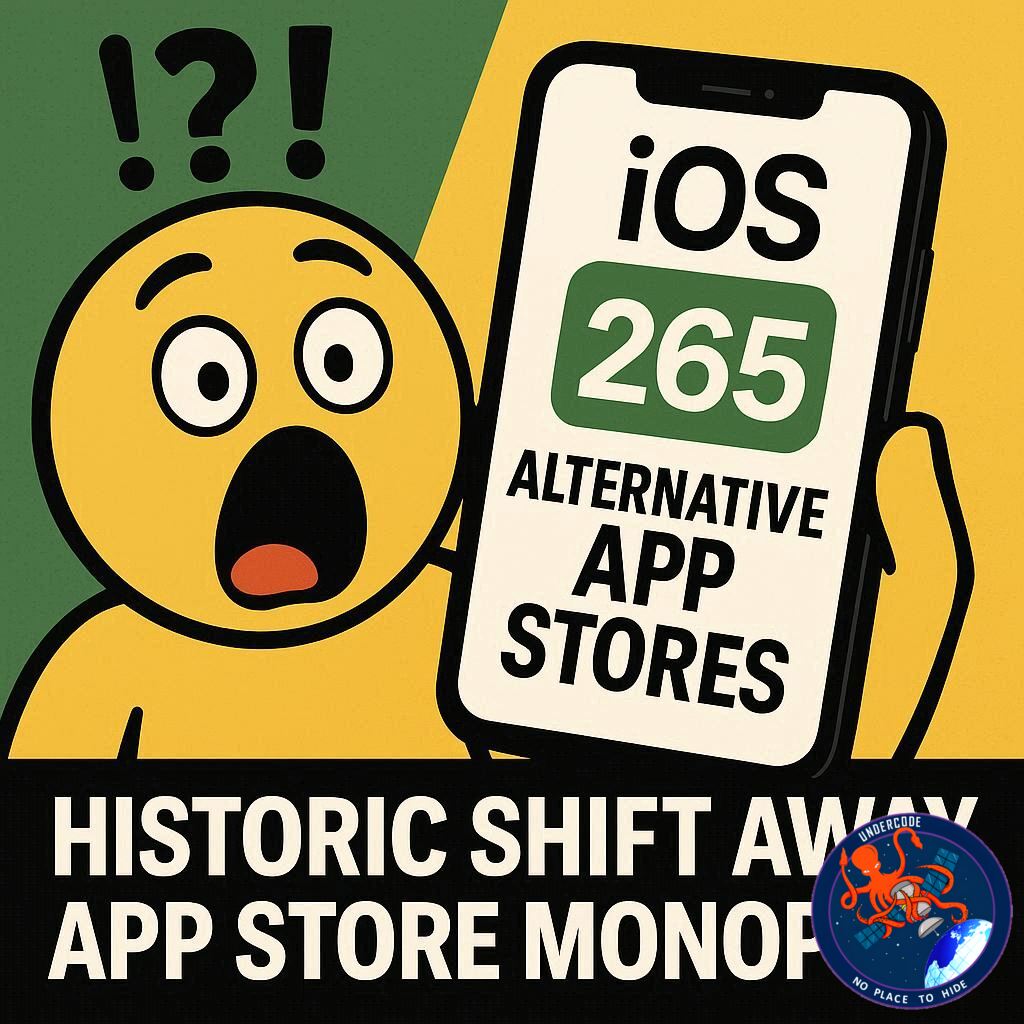
Apple is moving toward one of its most significant ecosystem changes in years, as evidence in iOS 26.5 suggests that users in Brazil may soon gain the ability to choose alternative app marketplaces beyond the traditional App Store. This development follows regulatory pressure from Brazil’s competition authority CADE, which has pushed Apple to open its tightly controlled distribution model. While still not fully activated, the newly discovered system settings indicate that Apple is quietly laying the groundwork for a multi-marketplace future, potentially reshaping how apps are installed and monetized on iPhones in the region.
the Original Developments
Apple has begun integrating support in iOS 26.5 for alternative app marketplaces specifically for users in Brazil, marking a notable shift in its long-standing App Store-only distribution model. This change appears to stem from a settlement with Brazil’s antitrust regulator CADE, which required Apple to allow app distribution beyond its own store. Early code and system behavior observed in the iOS 26.5 release candidate suggest that users will soon see a new “App Installation” section within Settings under the broader Apps menu. This section is designed to manage default app marketplaces and related preferences, including how apps are used for web links, email handling, payments, and other system-level actions. At present, only the App Store is visible as an active option, but Apple’s internal descriptions already reference the ability to select and prioritize multiple marketplaces, implying a broader rollout is imminent. CADE’s agreement explicitly requires Apple to permit third-party app distribution systems, and the interface hints that Apple will structure this change as a marketplace-based system rather than a direct web distribution model like the one introduced in the European Union. Under the same agreement, Apple is also expected to implement new fee structures for developers using alternative payment systems or distribution channels. These include commissions that vary depending on app distribution method, with additional charges for external payment links or Apple’s own in-app purchase system. Apps distributed outside the App Store may still incur a core technology fee. While Apple has not officially confirmed a launch date or final structure, the presence of these settings in iOS 26.5 strongly suggests that implementation is approaching a late-stage rollout phase.
What Undercode Say:
Apple’s move in Brazil is not just a regulatory response—it represents a controlled evolution of its ecosystem strategy. Rather than resisting global pressure like it did in earlier years, Apple is now adopting a more flexible compliance model that still preserves its financial interests. By introducing an “App Installation” layer instead of fully dismantling App Store dominance, Apple is effectively reshaping competition into a managed environment where it remains the gatekeeper, even if alternatives exist.
The structure hinted in iOS 26.5 suggests Apple is intentionally avoiding the EU-style web distribution model in Brazil, opting instead for a curated marketplace system. This allows Apple to maintain oversight over security standards, app visibility, and monetization flows, while technically complying with regulatory demands. In practice, this means competition may increase, but Apple’s influence over discovery and default settings will likely remain strong.
The introduction of multiple marketplaces also creates a subtle shift in user behavior. Most users rarely change system defaults, meaning Apple’s App Store could remain dominant by design, even in a more open environment. However, the psychological impact of “choice” should not be underestimated, as it may gradually encourage developers to experiment with alternative distribution channels, especially if fee structures become more competitive outside Apple’s ecosystem.
From a financial perspective, Apple’s revised commission structure in Brazil shows a careful balancing act. While it appears to reduce friction for third-party marketplaces, the addition of layered fees—such as commissions on external payment links and core technology charges—ensures Apple still captures revenue across the ecosystem. This approach reflects a broader global trend where Apple is opening doors, but not fully stepping back from monetization control.
The broader implication is that Apple is testing a scalable regulatory template. If Brazil’s model proves stable, similar frameworks could be adapted in other regions facing antitrust pressure. This could gradually transform the App Store from a single gatekeeping platform into a network of interconnected marketplaces, all still indirectly anchored to Apple’s infrastructure.
Security remains another critical angle. Apple is likely positioning its marketplace system as a safer alternative to uncontrolled sideloading. By restricting distribution to approved marketplaces, Apple can argue it preserves user safety while still meeting legal obligations. This middle-ground strategy may become the company’s preferred global compliance model moving forward.
Ultimately, this shift signals a strategic compromise rather than a surrender. Apple is not abandoning control—it is redesigning it in a way that aligns with modern regulatory expectations while maintaining its ecosystem profitability.
🔍 Fact Checker Results
✅ Apple is indeed testing alternative app marketplace support in response to regulatory pressure in Brazil
⚠️ iOS 26.5 rollout details are based on RC and code analysis, not a fully confirmed public launch
❌ Apple has not officially confirmed final pricing structures or full implementation timeline for Brazil yet
📊 Prediction
Brazil is likely to become a testing ground for Apple’s hybrid app distribution model, where alternative marketplaces exist but remain structurally dependent on Apple’s ecosystem rules. Over time, this system may expand quietly to other regulated markets, gradually weakening the App Store’s exclusivity without fully dismantling Apple’s control over app distribution and revenue flow.
🕵️📝Let’s dive deep and fact‑check.
References:
Reported By: 9to5mac.com
Extra Source Hub (Possible Sources for article):
https://www.medium.com
Wikipedia
OpenAi & Undercode AI
Image Source:
Unsplash
Undercode AI DI v2
Bing
🔐JOIN OUR CYBER WORLD [ CVE News • HackMonitor • UndercodeNews ]
📢 Follow UndercodeNews & Stay Tuned:
𝕏 formerly Twitter 🐦 | @ Threads | 🔗 Linkedin | 🦋BlueSky | 🐘Mastodon


