
Listen to this Post
Introduction
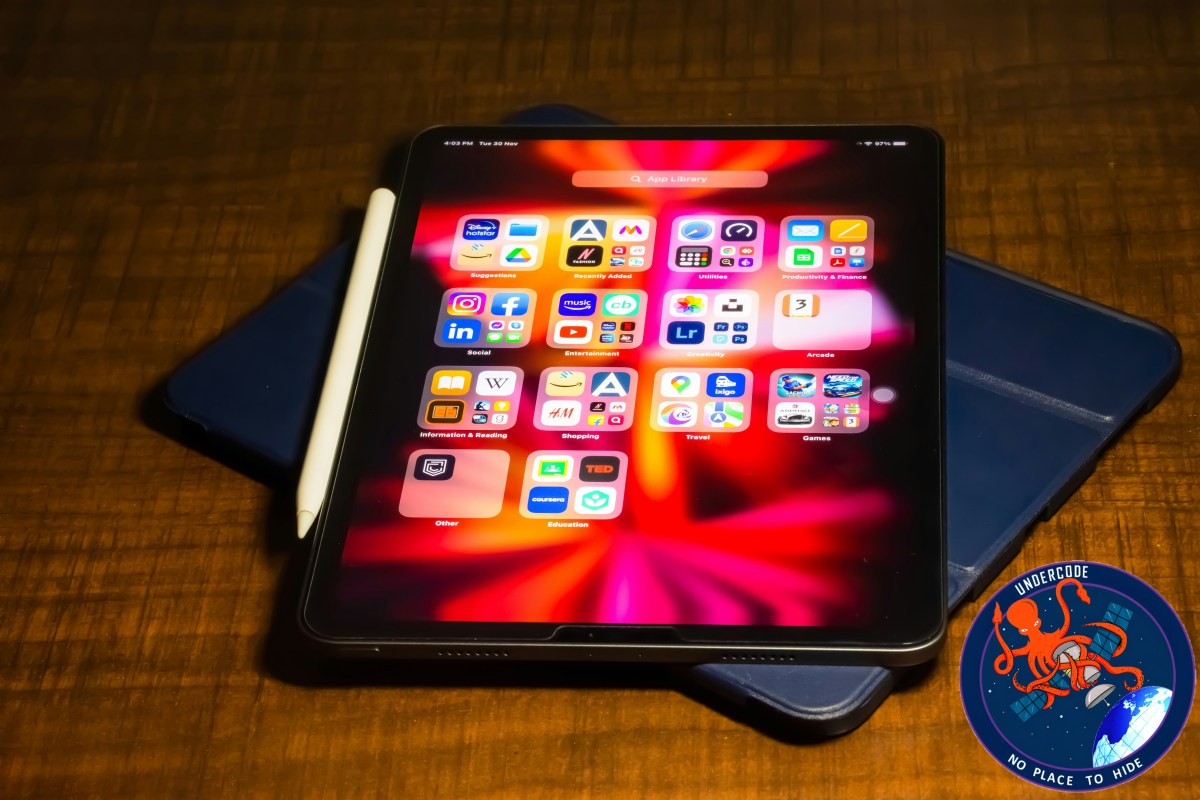
For years, the iPad Air has been seen as Apple’s “middle child” — not as budget-friendly as the entry-level iPad, and not as premium as the iPad Pro. Since its 2020 redesign, the Air has only seen minor spec bumps and subtle feature upgrades. But 2025 might be different. With Apple preparing a major refresh of the iPad lineup, the iPad Air could finally receive a breakthrough feature: Face ID.
This would mark a significant shift for Apple’s mid-tier tablet, bringing it closer to the Pro experience while reshaping consumer choices. Let’s dive deep into the rumors, the business logic behind Apple’s decisions, and what the future might hold for the iPad Air.
iPad Air: A Product Stuck in Neutral
Since the fourth-generation redesign in 2020, the iPad Air has received incremental updates. Apple upgraded its chips, introduced Center Stage for video calls, and recently added a larger 13-inch version. But overall, the device hasn’t offered anything groundbreaking.
The most glaring omission has been Face ID. Despite being eight years old, the biometric technology remains exclusive to the iPad Pro. On the iPhone side, even the budget-friendly models like the iPhone 16e come with Face ID, making the Air’s reliance on Touch ID feel outdated.
Face ID Exclusivity and Apple’s Strategy
Face ID was deliberately kept exclusive to the iPad Pro. Apple needed to create clear product separation: with just a \$200 price gap, both the Air and Pro were too close in appeal. Without differentiation, consumers had little incentive to spend more.
Back then, Face ID, 120Hz ProMotion, and slightly faster chips were the main selling points for the Pro. By holding Face ID back from the Air, Apple maintained a sense of “premium exclusivity” in its higher-end tablets.
Why 2025 Is the Perfect Moment for Face ID
The situation has now changed. The iPad Pro is no longer just “a slightly better Air.” The latest models boast a much thinner design, OLED displays, nano-texture glass options, and compatibility with a premium Magic Keyboard. The price gap has widened to around \$400, making the Pro stand firmly in the luxury category.
This gives Apple breathing room to add Face ID to the iPad Air without cannibalizing Pro sales. Buyers who want the best display and thinnest form factor will still choose the Pro, while the Air will become more compelling for mainstream users who crave convenience and modern features.
The Role of the M4 Chip
Rumors suggest the next iPad Air will be powered by Apple’s M4 chip, bringing it in line with performance standards expected in 2025. Combined with Face ID, this could transform the Air into the go-to choice for students, professionals, and casual users who don’t need ProMotion but still want speed and security.
What Undercode Say:
Apple’s strategy has always been about carefully tiering its products to appeal to different segments while maximizing profit margins. Looking at the iPad Air and iPad Pro dynamic, several patterns emerge:
Psychological Pricing: By widening the price gap, Apple ensures Pro buyers feel justified in spending extra for “luxury features,” while Air buyers feel like they’re getting the best balance of value and performance.
Feature Staggering: Face ID, once a major Pro-exclusive perk, has lost its exclusivity value. With OLED, ultra-thin design, and ProMotion still locked to the Pro, Apple can safely shift Face ID down without devaluing the flagship.
Market Refresh: Apple knows the iPad Air needs excitement to boost sales. Since 2020, it has lacked a “wow factor.” Face ID could be that spark, giving users a tangible reason to upgrade.
Competitive Landscape: Rivals like Samsung and Microsoft already offer advanced biometric features across their tablet lines. By keeping Face ID off the Air, Apple risks falling behind in consumer perception.
User Experience Evolution: As more Apple devices unify around Face ID, keeping the Air on Touch ID creates inconsistency. Users switching between iPhone, MacBook with Touch ID, and iPad Pro expect seamless authentication.
From a business perspective, this isn’t just about technology — it’s about psychology and timing. Apple doesn’t introduce features when they’re available, but when they strategically make sense. 2025 might finally be the year when Face ID’s time on the iPad Air arrives.
✅ Fact Checker Results
Face ID has been exclusive to the iPad Pro since its introduction.
Bloomberg’s Mark Gurman has reported on the upcoming iPad Air refresh.
The M4 chip is expected to power the next-generation Air.
🔮 Prediction
The 2025 iPad Air will almost certainly gain Face ID, positioning itself as the “mainstream iPad” with pro-level features at a mid-tier price. If Apple executes this correctly, the Air could become the best-selling iPad of the lineup, bridging affordability and innovation while reinforcing the Pro as a true luxury device.
🕵️📝✔️Let’s dive deep and fact‑check.
References:
Reported By: 9to5mac.com
Extra Source Hub:
https://stackoverflow.com
Wikipedia
OpenAi & Undercode AI
Image Source:
Unsplash
Undercode AI DI v2
🔐JOIN OUR CYBER WORLD [ CVE News • HackMonitor • UndercodeNews ]
📢 Follow UndercodeNews & Stay Tuned:
𝕏 formerly Twitter 🐦 | @ Threads | 🔗 Linkedin | 🦋BlueSky | 🐘Mastodon


