
Listen to this Post
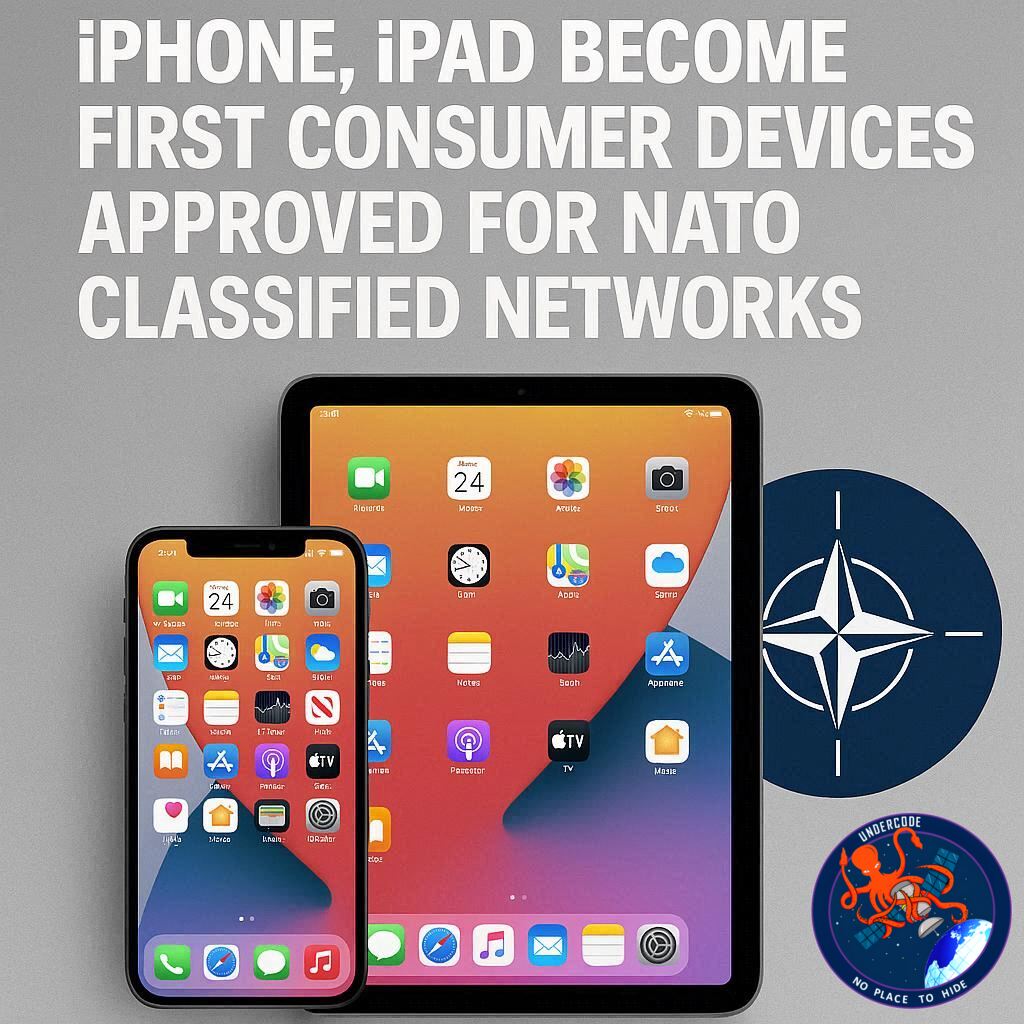
Apple has officially reached a historic milestone: the iPhone and iPad are now the first consumer devices certified for access to classified NATO networks. This breakthrough allows a standard iPhone running iOS 26 to handle restricted NATO data without any custom security software or hardware modifications. It’s a testament to Apple’s focus on security and signals a new era where everyday devices can meet government-grade standards.
Apple’s Security Revolution Reaches NATO
Today, Apple confirmed that iPhone and iPad have met NATO’s stringent information assurance requirements. Ivan Krstić, Apple’s Vice President of Security Engineering and Architecture, emphasized the significance of this achievement: traditionally, secure devices were exclusive to government and enterprise organizations, often requiring bespoke solutions and massive investments. Apple has transformed this landscape by building security into devices accessible to everyone, with protections now uniquely certified for NATO nations.
How Apple Achieved NATO Certification
Apple’s journey to NATO approval wasn’t overnight. Certification for classified networks involves years of rigorous evaluation, testing, and verification. Previously, iPhone and iPad were cleared to handle classified German government data under iOS and iPadOS security measures, after thorough scrutiny by Germany’s Federal Office for Information Security (Bundesamt für Sicherheit in der Informationstechnik, BSI). Leveraging this prior approval, Apple extended its security architecture to meet NATO standards, culminating in official certification for devices running iOS 26 and iPadOS 26.
Core Security Features Driving Approval
The NATO certification relies on the robust security framework already integrated into iPhones and iPads:
Best-in-class encryption protecting data at rest and in transit
Biometric authentication via Face ID and Touch ID
Memory Integrity Enforcement embedded in Apple Silicon
Claudia Plattner, President of BSI, noted that secure digital transformation demands security from the design stage. The rigorous audits by BSI laid the foundation for NATO’s approval, confirming Apple devices can securely handle classified information across allied nations.
Broader Implications for Apple and Consumers
While most consumers won’t access NATO-classified data, the certification validates Apple’s security architecture for enterprise and government users. Similar to FedRAMP authorizations in the U.S., such recognition boosts confidence in Apple’s security capabilities. Importantly, Apple achieved this without requiring specialized hardware or software, demonstrating that robust security and user-friendly design can coexist.
Adoption Beyond NATO
This certification may have ripple effects in global enterprise and governmental markets. Organizations seeking high-assurance mobile devices may now consider standard iPhones and iPads for sensitive applications, reducing reliance on costly custom solutions. Apple’s approach could redefine mobile security benchmarks across industries.
What Undercode Says:
Apple Sets a New Benchmark in Consumer Security
Apple’s NATO approval signals a paradigm shift: consumer devices can meet top-tier security standards historically reserved for specialized government hardware. This achievement could push competitors to rethink their own device security strategies, potentially raising the bar for mobile security globally.
Security Without Sacrificing User Experience
Apple demonstrates that high-level security does not require compromising usability. Face ID, Touch ID, and integrated encryption make accessing classified data straightforward for authorized users while keeping the experience seamless for regular consumers. This approach could influence enterprise device design across sectors.
Leveraging Prior Certifications for Global Recognition
By building on the German BSI approval, Apple showcased a strategic path for international security validation. Certifications are rarely isolated achievements; prior audits and approvals often serve as stepping stones, and Apple’s method could become a model for other tech companies aiming for global government compliance.
Implications for Enterprise and Defense Markets
Apple devices are now viable options for organizations handling sensitive information. Enterprises with high security requirements may increasingly adopt iPhones and iPads, trusting Apple’s security ecosystem rather than investing in bespoke mobile solutions. This could accelerate Apple’s growth in enterprise and government sectors.
Consumer Trust Reinforced
Even for everyday users, NATO approval reinforces trust in Apple’s commitment to security. Awareness that their devices meet military-grade standards could enhance brand loyalty and user confidence.
Future Security Standards
Apple’s achievement may inspire broader adoption of integrated security across the tech industry. Security may become a standard feature rather than an optional add-on, raising baseline expectations for all mobile devices.
Economic and Strategic Impact
Governments and organizations may now allocate fewer resources to custom security devices, potentially saving millions in procurement and maintenance. Apple’s standard devices meeting NATO standards could shift market dynamics and influence procurement strategies worldwide.
Cross-Platform Security Considerations
Competitors may face pressure to enhance native security features on their devices. Apple’s model demonstrates that security, when deeply integrated at the OS and hardware level, can surpass add-on solutions in effectiveness.
Enhancing Cybersecurity Posture
Organizations using iPhones and iPads for sensitive data gain an additional layer of assurance. This can mitigate risks related to cyberattacks, unauthorized access, and compliance violations, strengthening overall cybersecurity posture.
Potential Challenges
While the certification is impressive, ensuring consistent security across global deployments and user compliance remains a challenge. Apple must continue updates and patches to maintain trust in its devices’ security integrity.
Ecosystem Advantages
Apple’s tightly controlled ecosystem—hardware, software, and services—facilitates these achievements. It highlights the benefits of vertical integration in delivering secure, reliable technology for both consumers and governments.
Strategic Differentiation
This certification sets Apple apart from competitors who often require third-party security solutions. It reinforces Apple’s positioning as a premium brand that delivers both innovation and protection.
Market Expansion
NATO certification could open doors for Apple in defense contracting and governmental IT solutions worldwide, creating new revenue streams and strategic partnerships.
Broader Implications for International Security
Standardized, secure consumer devices could simplify communication and collaboration among NATO nations, fostering efficiency and interoperability while maintaining stringent security standards.
Long-Term Trust and Brand Value
Apple’s consistent investment in security strengthens its brand reputation, ensuring long-term customer loyalty and global recognition as a leader in secure technology.
Setting Precedents
Apple is setting a precedent for how consumer technology can meet government-grade security requirements, which could reshape expectations for mobile devices across industries.
Continuous Improvement
Certification isn’t the endpoint; Apple will need continuous monitoring, updates, and innovation to maintain its standing and ensure devices remain secure against evolving threats.
Public Perception and Marketing Impact
Marketing the NATO certification can enhance Apple’s image, emphasizing both security leadership and innovation, potentially influencing consumer and enterprise purchasing decisions.
Potential Competitive Response
Rivals may accelerate their own security initiatives, driving broader industry improvements and potentially benefiting the global cybersecurity landscape.
Strategic Influence on NATO IT Policy
Apple’s integration of standard devices could influence NATO IT strategies, demonstrating that consumer-grade devices can meet complex security requirements when properly designed.
Encouraging Mobile Workforce Adoption
The certification can encourage secure mobile workforces in defense and government sectors, supporting flexible, remote, and secure operational models.
Global Standardization
Apple’s approach may influence global standards for mobile security, promoting more uniform security benchmarks across allied nations.
Risk Mitigation
Deploying certified iPhones and iPads can reduce the risk of data breaches, ensuring compliance with stringent information security requirements.
Driving Innovation in Security Features
This milestone may inspire further innovation in encryption, biometric authentication, and secure hardware integration for mobile devices.
Influence on Security Certification Processes
Apple’s path shows how prior national-level certifications can be leveraged to meet multinational standards, potentially streamlining future certification processes.
Enhancing Public-Private Collaboration
Apple’s collaboration with BSI and NATO demonstrates how private tech companies can contribute to public-sector security initiatives, fostering trust and cooperation.
Long-Term Technological Leadership
Apple solidifies its position as a technological leader, proving that consumer devices can match or surpass specialized government-grade solutions in security.
🔍 Fact Checker Results
✅ Apple iPhone and iPad are officially certified for NATO networks.
✅ Certification builds on prior German BSI approval for handling classified data.
✅ No specialized hardware or software is required for this level of security.
📊 Prediction
Apple’s NATO certification could drive a new wave of secure consumer devices adopted in government, defense, and enterprise sectors. Competitors may accelerate security innovations, and enterprises may increasingly rely on off-the-shelf Apple devices for sensitive operations. Long-term, this could shift global procurement strategies, reduce costs for secure mobile solutions, and establish Apple as the default choice for high-assurance environments.
🕵️📝✔️Let’s dive deep and fact‑check.
References:
Reported By: 9to5mac.com
Extra Source Hub (Possible Sources for article):
https://www.reddit.com/r/AskReddit
Wikipedia
OpenAi & Undercode AI
Image Source:
Unsplash
Undercode AI DI v2
Bing
🔐JOIN OUR CYBER WORLD [ CVE News • HackMonitor • UndercodeNews ]
📢 Follow UndercodeNews & Stay Tuned:
𝕏 formerly Twitter 🐦 | @ Threads | 🔗 Linkedin | 🦋BlueSky | 🐘Mastodon


