
Listen to this Post
Introduction: Why Checking Your iPhone Matters More Than Ever
Buying a new iPhone is always exciting. The sleek design, smooth performance, and premium feel make it one of the most desired smartphones in the world. However, with that popularity comes a growing problem: counterfeit devices. Fake iPhones are becoming increasingly convincing, often mimicking the look of a real Apple iPhone but failing badly in performance, security, and reliability. Many buyers only realize the truth after it’s too late.
If you are purchasing a device online or from a third-party seller, verifying authenticity is no longer optional. A few simple checks can save you from losing money and ensure you are getting a genuine product backed by proper support. This guide walks through practical and easy methods to confirm whether your iPhone is real or fake.
Summary: Simple Checks to Confirm a Genuine iPhone
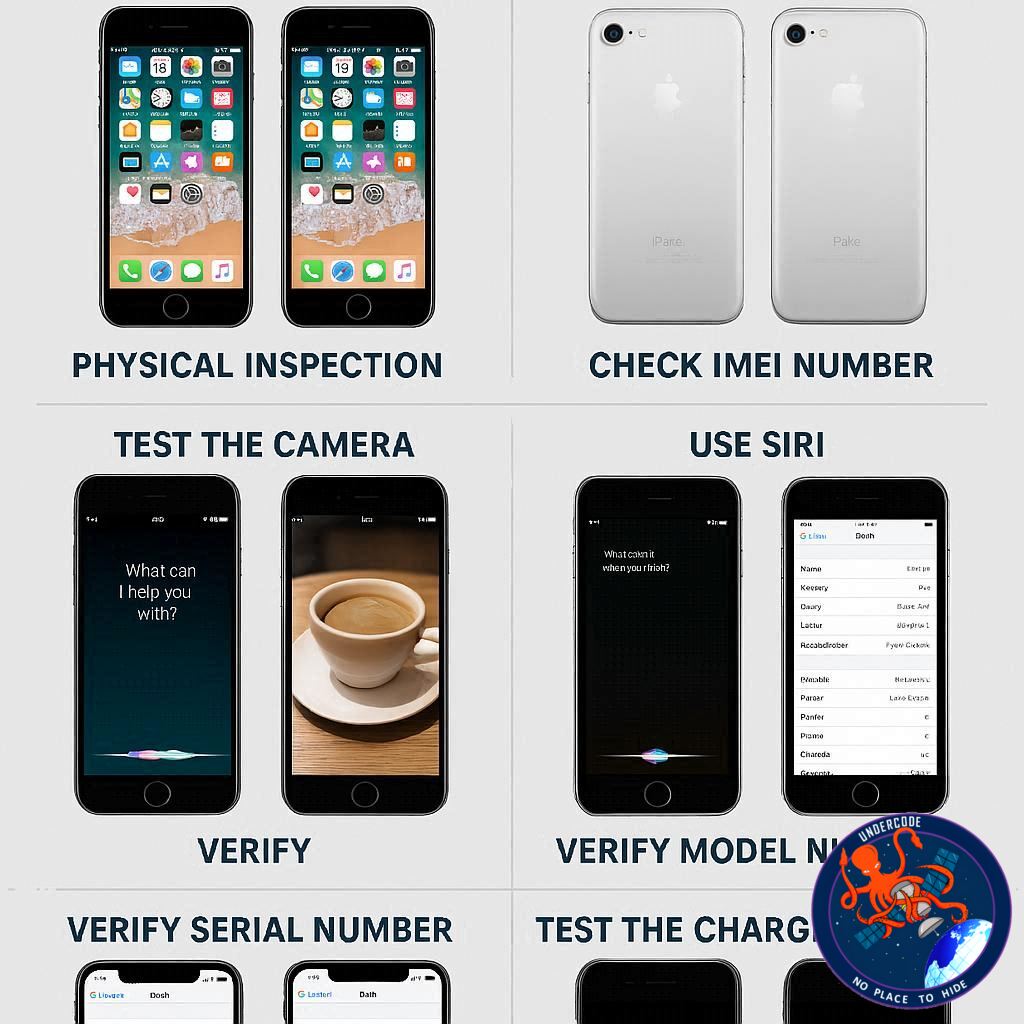
The article explains that verifying an iPhone’s authenticity is essential before or after purchase. One of the most reliable methods is checking the IMEI number. By dialing 06, users can view the unique identifier assigned to every phone. Entering this number on Apple’s official verification page helps confirm whether the device is genuine. If the number is invalid or does not match Apple’s records, it could indicate a fake device.
Another important step is verifying the serial number through the phone’s settings. By navigating to Settings, then General, and selecting About, users can locate the serial number and input it into Apple’s “Check Coverage” page. A valid iPhone will display correct warranty and device information, while a fake one may return errors or no data at all.
The operating system is also a clear indicator. Authentic iPhones run on iOS, while counterfeit versions often run modified Android software designed to look like iOS. Opening the App Store can reveal the truth instantly. Real devices only support Apple’s App Store, whereas fake ones may include the Google Play Store.
Build quality is another major factor. Genuine iPhones feature premium materials, precise button placement, and a refined finish. Fake devices often feel lighter, poorly assembled, or have misaligned components. Even small details like the Apple logo placement can reveal inconsistencies.
Users are also advised to check connectivity with a computer. When connected to iTunes or Finder, a real iPhone will be detected instantly. Fake devices may fail to connect or behave inconsistently during synchronization.
Additionally, testing features like Siri can help identify authenticity. A genuine iPhone responds quickly to voice commands, while counterfeit versions may lack this feature entirely. Pricing and packaging also provide clues. If the price is unusually low or the packaging looks cheap or poorly branded, it is a strong warning sign.
Overall, the article emphasizes that combining multiple checks—IMEI, serial number, software, build quality, and features—provides a reliable way to avoid scams and ensure a safe purchase.
What Undercode Say:
The Rise of Counterfeit Tech in a Premium Market
The surge in fake iPhones is not accidental. As premium smartphones become more expensive, counterfeit markets grow alongside them. Devices that imitate the Apple Inc. ecosystem are designed to deceive casual buyers who rely only on appearance. This creates a dangerous gap between perception and reality.
Why IMEI and Serial Checks Are No Longer Optional
The IMEI and serial number checks are often underestimated, yet they remain the most reliable verification tools. These identifiers are tied directly to Apple’s database, making them extremely difficult to fake at scale. Skipping this step is one of the most common mistakes buyers make.
Software Is the Ultimate Truth Teller
No matter how convincing the hardware looks, software rarely lies. A device not running genuine iOS is instantly disqualified as a real iPhone. Counterfeit devices may mimic icons and layout, but deeper interactions quickly reveal inconsistencies in performance and functionality.
Build Quality Still Separates Real from Fake
Apple’s manufacturing precision is difficult to replicate. Subtle details such as button feedback, screen alignment, and material finish often expose counterfeit devices. Experienced users can usually identify a fake within minutes just by handling the phone.
The Psychological Trap of “Too Good to Be True”
One of the biggest drivers of scams is pricing. Buyers are often tempted by deals that seem significantly cheaper than market value. This psychological bias leads people to ignore warning signs, making them easy targets for counterfeit sellers.
Why Ecosystem Integration Matters
A genuine iPhone seamlessly integrates with other Apple services and devices. Features like iCloud, AirDrop, and iTunes synchronization are not just extras—they are core indicators of authenticity. Fake devices struggle or completely fail to replicate this ecosystem.
The Risk Goes Beyond Money
Buying a fake iPhone is not just about losing money. These devices often come with security risks, including malware, data theft, and lack of updates. This makes them unsafe for everyday use, especially for users who rely on their phones for banking or personal data.
Retail Awareness Is Still a Weak Link
Despite awareness campaigns, many buyers still rely on unverified sellers. The lack of proper retail verification channels allows counterfeit products to circulate freely, especially in online marketplaces.
Practical Awareness Is the Best Defense
The methods outlined in the article are simple yet powerful. The real issue is not complexity but awareness. Users who take a few minutes to verify their device can completely avoid being scammed.
Fact Checker Results:
✅ IMEI and serial number verification are officially supported by Apple and are reliable methods
✅ Fake iPhones commonly run modified Android systems disguised as iOS
❌ Not all connection failures with iTunes mean a device is fake; some may be due to technical issues
Prediction:
🔮 Counterfeit smartphones will become more sophisticated, making software checks even more critical
📱 Apple may introduce stronger verification tools directly within iOS to combat fake devices
⚠️ Buyers will increasingly rely on official retailers as trust in third-party sellers continues to decline
🕵️📝✔️Let’s dive deep and fact‑check.
References:
Reported By: zeenews.india.com
Extra Source Hub (Possible Sources for article):
https://www.instagram.com
Wikipedia
OpenAi & Undercode AI
Image Source:
Unsplash
Undercode AI DI v2
Bing
🔐JOIN OUR CYBER WORLD [ CVE News • HackMonitor • UndercodeNews ]
📢 Follow UndercodeNews & Stay Tuned:
𝕏 formerly Twitter 🐦 | @ Threads | 🔗 Linkedin | 🦋BlueSky | 🐘Mastodon


