
Listen to this Post
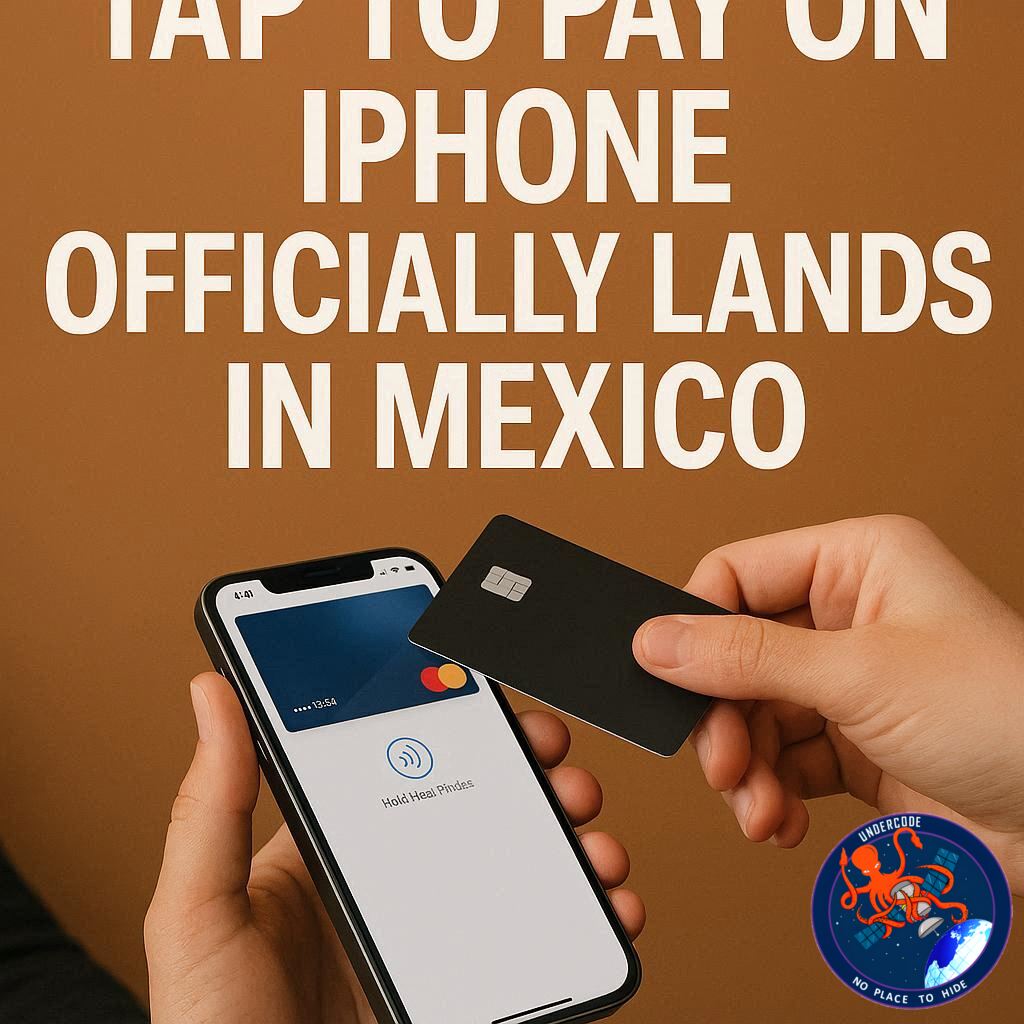
A New Era for Contactless Payments Begins in Mexico
Apple has taken another significant step in expanding its business ecosystem by officially launching Tap to Pay on iPhone in Mexico. This move marks a major milestone in Apple’s global payments strategy, bringing seamless, hardware-free contactless payment solutions to businesses across the country. With this rollout, Apple continues to reshape how merchants interact with customers, offering a streamlined and modern payment experience directly through iPhones.
The Evolution of Tap to Pay on iPhone
Tap to Pay on iPhone first debuted in the United States in 2022, gradually gaining traction among businesses seeking efficient and contactless payment options. Over time, Apple expanded the feature into multiple international markets, steadily building a robust global footprint. About a year ago, the service extended into nine additional countries, signaling Apple’s commitment to redefining point-of-sale systems worldwide.
Mexico Joins the Growing Network
With the latest expansion, Mexico officially becomes part of the Tap to Pay ecosystem. This means businesses of all sizes—from small vendors to large enterprises—can now accept contactless payments using only an iPhone. No additional hardware, terminals, or card readers are required, making the adoption process both cost-effective and highly accessible.
Supported Payment Platforms Strengthen Adoption
To ensure smooth functionality and widespread usability, Apple has partnered with several major payment processing platforms in Mexico. These include Adusd, Clip, Mercado Pago, and Visa Acceptance Platform. The inclusion of these established players enhances trust and accelerates adoption among merchants already familiar with these systems.
Completing the North American Rollout
The launch in Mexico signifies that Apple has now fully rolled out Tap to Pay across North America. This regional completion underscores Apple’s strategic focus on high-demand markets where contactless payments are rapidly becoming the norm. It also positions the company as a serious competitor in the digital payments infrastructure space.
Apple’s Broader Business Strategy Unfolds
The Tap to Pay announcement comes alongside a series of broader Apple Business updates. These include making Apple Business Essentials free, introducing a new hosted business email service to compete with major productivity suites, and preparing to launch ads within Apple Maps in the United States and Canada. Together, these moves reveal a coordinated effort to expand Apple’s influence in enterprise and small business ecosystems.
A Simplified Payment Experience for Merchants
One of the most appealing aspects of Tap to Pay on iPhone is its simplicity. Merchants can accept payments using contactless credit cards, debit cards, and digital wallets without investing in expensive hardware. This lowers the barrier to entry for small businesses and empowers entrepreneurs to modernize their operations quickly.
Enhanced Security and Privacy at the Core
Apple emphasizes privacy and security as central pillars of its payment solutions. Tap to Pay on iPhone leverages the same encryption and data protection standards used in Apple Pay, ensuring that both merchants and customers benefit from secure transactions. This focus on privacy could become a key differentiator in markets increasingly concerned about data protection.
Driving Digital Transformation in Emerging Markets
Mexico’s inclusion highlights Apple’s interest in accelerating digital transformation in emerging markets. By enabling businesses to adopt contactless payments without upfront hardware costs, Apple is effectively democratizing access to modern financial tools. This could lead to broader financial inclusion and increased participation in the digital economy.
The Competitive Landscape Intensifies
With this expansion, Apple is directly challenging traditional point-of-sale providers and fintech companies. By eliminating the need for external devices, Apple simplifies the payment process while potentially reducing costs for merchants. This disruption could force competitors to rethink their pricing models and technological offerings.
What Undercode Says:
Apple’s Silent Push Into Financial Infrastructure
Apple’s expansion of Tap to Pay is not just a feature rollout—it’s a calculated move into the financial infrastructure layer. By turning iPhones into payment terminals, Apple is embedding itself deeper into everyday commerce, positioning the device as both a consumer tool and a merchant solution.
Hardware Dependency Is Being Redefined
Traditionally, payment acceptance required dedicated hardware like card readers and POS systems. Apple is effectively removing this dependency, signaling a shift toward software-defined commerce. This could redefine how businesses approach investments in payment technology.
The Power of Ecosystem Lock-In
Tap to Pay strengthens Apple’s ecosystem by making the iPhone indispensable for business operations. Merchants who adopt this system are more likely to remain within Apple’s ecosystem, increasing long-term customer retention and reinforcing Apple’s competitive moat.
A Strategic Move Against Fintech Giants
Apple’s integration with platforms like Mercado Pago and Adusd is strategic. Rather than competing head-on, Apple is leveraging existing fintech infrastructure while positioning itself as the interface layer. This allows Apple to benefit from transaction flows without fully replacing established players.
Small Businesses as the Primary Beneficiaries
The biggest winners in this rollout are small and medium-sized businesses. The elimination of hardware costs and simplified setup process lowers entry barriers, enabling even micro-businesses to accept digital payments effortlessly.
Data Privacy as a Competitive Advantage
Apple’s strong stance on privacy could play a decisive role in markets where trust in financial systems varies. By promoting secure transactions, Apple differentiates itself from competitors that rely heavily on data monetization.
Implications for Cash-Based Economies
Mexico still has a significant cash-based economy. Introducing easy-to-use digital payment tools could accelerate the shift toward cashless transactions, potentially reshaping consumer behavior over time.
Apple’s Long-Term Financial Vision
This move aligns with Apple’s broader ambitions in financial services, including Apple Pay and other fintech initiatives. Tap to Pay could serve as a foundational layer for future innovations, such as integrated lending, analytics, or merchant services.
Pressure on Traditional POS Providers
Legacy POS providers may face increasing pressure as Apple’s solution gains traction. The simplicity and cost-effectiveness of Tap to Pay could render traditional systems less attractive, especially for smaller businesses.
The Role of Partnerships in Expansion
Apple’s reliance on local payment platforms highlights the importance of partnerships in global expansion. By collaborating with established players, Apple ensures smoother adoption and compliance with regional regulations.
User Experience as a Differentiator
Apple’s focus on intuitive user experience gives it an edge. Businesses can start accepting payments with minimal training, which is crucial for widespread adoption.
Economic Impact on Local Markets
As more businesses adopt digital payments, transaction transparency increases, potentially benefiting tax systems and financial oversight. This could have broader economic implications for Mexico.
The Future of Mobile Commerce
Tap to Pay signals a future where smartphones replace traditional checkout systems entirely. This shift could lead to more flexible and mobile business models, especially in sectors like retail, food services, and events.
A Subtle but Powerful Market Entry
Rather than making a loud disruption, Apple’s approach is subtle yet powerful. By integrating into existing systems, it minimizes resistance while gradually transforming the market.
Fact Checker Results
Verification of Launch Details
✅ Tap to Pay on iPhone is officially launched in Mexico and requires no additional hardware.
Accuracy of Expansion Timeline
✅ The feature first launched in the US in 2022 and expanded internationally afterward.
Supported Platforms Confirmation
✅ Payment platforms like Adusd, Clip, Mercado Pago, and Visa are confirmed partners in Mexico.
📊 Prediction
Gradual Shift Toward Cashless Transactions
The adoption of Tap to Pay in Mexico is likely to accelerate the country’s transition toward a cashless economy, especially among younger consumers and urban businesses.
Increased Competition in Payment Solutions
Traditional POS providers and fintech companies will need to innovate rapidly to keep up with Apple’s hardware-free approach.
Expansion Into More Emerging Markets
Apple is expected to continue expanding Tap to Pay into other emerging markets, leveraging similar partnership strategies to scale quickly and efficiently.
🕵️📝✔️Let’s dive deep and fact‑check.
References:
Reported By: 9to5mac.com
Extra Source Hub (Possible Sources for article):
https://www.stackexchange.com
Wikipedia
OpenAi & Undercode AI
Image Source:
Unsplash
Undercode AI DI v2
Bing
🔐JOIN OUR CYBER WORLD [ CVE News • HackMonitor • UndercodeNews ]
📢 Follow UndercodeNews & Stay Tuned:
𝕏 formerly Twitter 🐦 | @ Threads | 🔗 Linkedin | 🦋BlueSky | 🐘Mastodon


