
Listen to this Post
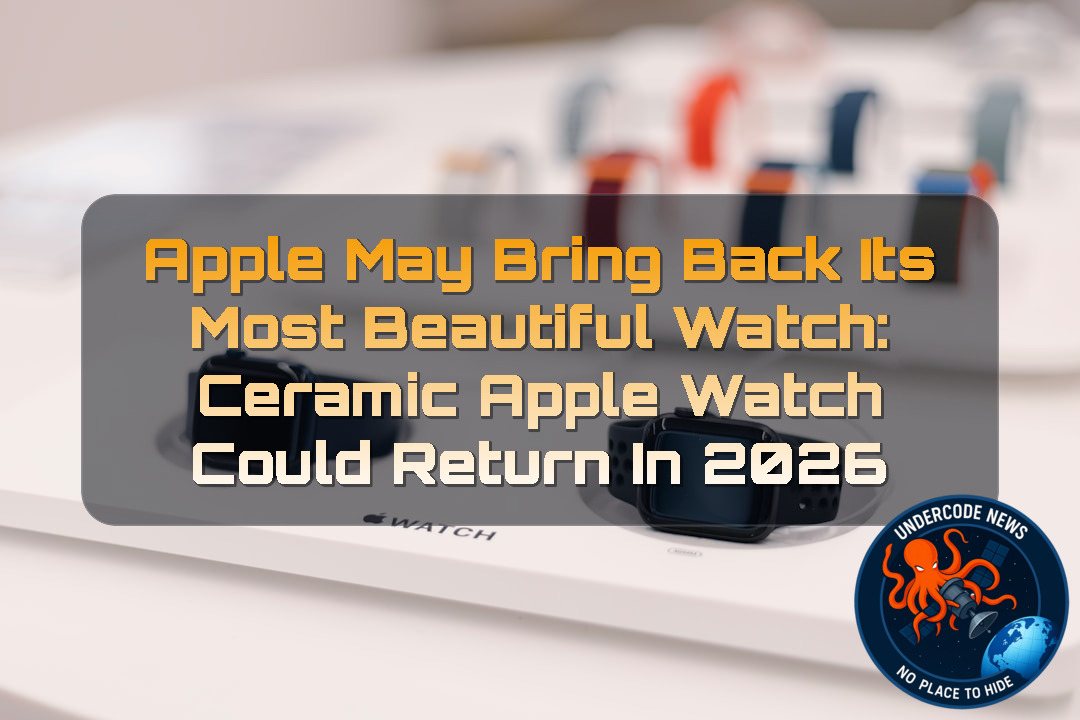
A Premium Material Apple Quietly Left Behind
Apple may be preparing one of its most interesting Apple Watch comebacks in years: the return of the ceramic case. According to Bloomberg’s Mark Gurman, Apple is working on bringing ceramic back to the Apple Watch lineup, potentially as soon as 2026 or sometime in 2027.
For longtime Apple Watch fans, this is more than another material option. Ceramic has become one of the rarest and most distinctive Apple Watch finishes ever produced. Its deep, glossy appearance, premium feel, and strong resistance to everyday scratches gave it a character that aluminum, stainless steel, and titanium never completely replicated.
If Apple really brings ceramic back, the company would not simply be reviving an old design. It would be resurrecting a product category that once represented the most luxurious side of the Apple Watch.
Mark Gurman Reports a Ceramic Comeback
Bloomberg journalist Mark Gurman recently reported that Apple is working on expanding its Apple Watch style options, including a potential return of the ceramic case.
According to Gurman, Apple could introduce the material either this year or next year. That means a ceramic Apple Watch could potentially arrive alongside a future generation of the product rather than being treated as a simple cosmetic update.
The report does not establish exactly which Apple Watch model would receive ceramic, how many colors would be available, or how much Apple would charge. Those details remain unknown.
But even the possibility is significant because ceramic has been absent from Apple’s smartwatch lineup for several years.
The Apple Watch Edition Era
Ceramic originally appeared during the period when Apple was experimenting aggressively with premium materials for the Apple Watch Edition family.
The Apple Watch Series 2 introduced a white ceramic case, giving Apple a luxury alternative to its more conventional metal finishes. The material immediately stood apart from the rest of the lineup because of its smooth surface and distinctive glossy appearance.
Apple later expanded the material with a black ceramic option for the Apple Watch Series 3.
The company then abandoned ceramic entirely for the Series 4 generation before bringing back a white ceramic Edition model with the Apple Watch Series 5.
That model would ultimately become the last ceramic Apple Watch Apple sold.
The Last Ceramic Apple Watch
The Apple Watch Edition Series 5 arrived in 2019 with a white ceramic case and represented one of the most expensive versions of the Apple Watch available at the time.
Its starting price was around $1,299, placing it far above the standard Apple Watch models.
That price also helped transform the ceramic Edition into something of a collector’s item after Apple discontinued the material with the launch of the Apple Watch Series 6 in 2020.
Nearly seven years later, a genuine ceramic Apple Watch has become an unusual sight. Owners who still have one are holding onto a product that represents a very specific chapter in Apple’s wearable history.
Why Ceramic Was So Special
Ceramic offered Apple something that metals could not easily replicate: an extremely smooth, almost jewelry-like surface combined with strong resistance to scratching.
The white ceramic finish in particular had a distinctive deep gloss that made the watch look less like traditional consumer electronics and more like a luxury accessory.
That distinction matters because Apple has spent years trying to move the Apple Watch beyond the traditional smartwatch category.
The company increasingly positions the Watch as a fashion product, fitness device, health platform, communication tool, and personal accessory all at once.
Ceramic fits particularly well into that strategy.
Ceramic Versus Titanium
Apple’s current premium strategy relies heavily on titanium.
The Apple Watch Series 11 is available in aluminum and titanium configurations, while the Apple Watch Ultra line uses titanium as its defining case material.
Titanium offers an excellent combination of strength, light weight, durability, and a premium appearance. It also fits naturally with Apple’s focus on athletic and outdoor use.
Ceramic would serve a different audience.
Titanium communicates performance.
Ceramic communicates luxury.
That difference could allow Apple to create a more clearly segmented product lineup.
A Potential New Luxury Tier
If Apple follows the strategy used with the Series 5, a ceramic Apple Watch would probably sit above the mainstream models rather than replace titanium.
The current Apple Watch lineup already establishes a hierarchy based on materials and features.
Aluminum represents the mainstream option.
Titanium represents a more premium and durable choice.
The Ultra family occupies the performance-oriented high end.
Ceramic could introduce another dimension: luxury.
That would allow Apple to sell the same underlying technology in a dramatically different physical package.
The $1,299 Question
The most interesting question may ultimately be the price.
The previous ceramic Apple Watch started at $1,299, a substantial premium over the standard models of its generation.
Apple’s pricing philosophy has also evolved considerably since 2019. The company has become increasingly comfortable charging premium prices for specialized hardware, particularly when materials, display technology, processors, or specialized features justify the higher tier.
A new ceramic Apple Watch could therefore be positioned at a very different price point from the standard Series models.
It would not be surprising to see Apple treat ceramic as a luxury configuration rather than simply another color.
Apple Understands the Power of Materials
Apple has repeatedly demonstrated that materials can become part of a product’s identity.
The company has used stainless steel, titanium, aluminum, ceramic, carbon-related composites, glass, and specialized finishes across different product categories.
With the Apple Watch, this strategy is particularly effective because the device is worn on the body.
A smartphone spends much of its life inside a pocket or bag.
A watch is visible almost constantly.
That makes its physical appearance much more important.
Ceramic Makes the Watch Feel More Like Jewelry
The strongest argument for bringing ceramic back may have little to do with technical specifications.
It is about emotion.
A ceramic Apple Watch looks different.
Its glossy surface catches light differently. Its white finish can resemble high-end jewelry. Its smooth texture creates a completely different tactile experience from brushed or polished metal.
That distinction is valuable in a market where smartwatch hardware can otherwise begin to look increasingly similar from generation to generation.
A Collector’s Material Returns
The scarcity of the original ceramic Apple Watch could also work in Apple’s favor.
Older ceramic models have developed a reputation among Apple Watch collectors because Apple produced them for only a limited period.
The discontinuation of the Edition line made the material even more unusual.
Bringing ceramic back would create an interesting bridge between Apple’s past and its current product strategy.
The company could effectively turn an old material into a new luxury statement.
Apple Could Modernize Ceramic
A new ceramic Apple Watch would not necessarily look identical to the Series 5.
Apple could introduce new colors, finishes, textures, or combinations of ceramic and metal.
For example, the company could experiment with darker ceramic, subtle metallic accents, contrasting bezels, or exclusive bands.
A modern ceramic case could therefore feel completely new while retaining the recognizable qualities that made the original popular.
The Biggest Challenge Is Manufacturing
Ceramic is attractive, but it is not necessarily easy to manufacture at Apple’s scale.
Creating a premium ceramic case requires careful control over material composition, molding, machining, finishing, and coloration.
The process can also introduce manufacturing complexity that does not exist to the same degree with aluminum.
For Apple, that means ceramic has to justify its additional production cost.
The company is unlikely to revive the material simply because enthusiasts miss it.
There needs to be a commercial reason.
Apple May Be Targeting the Luxury Market
The timing could make sense.
Apple has steadily expanded the Apple
A ceramic model would approach the premium market from the opposite direction.
Instead of emphasizing ruggedness, battery life, or outdoor performance, Apple could emphasize craftsmanship, elegance, and exclusivity.
That could help Apple reach customers who want an Apple Watch that looks more like a luxury accessory.
Ceramic Could Become
The Apple Watch has always existed between technology and fashion.
Apple has worked with luxury brands, designers, athletes, musicians, and fashion companies to reinforce that identity.
Ceramic could strengthen the fashion side of the product.
A premium ceramic model could be marketed less like a piece of electronics and more like a high-end personal accessory.
That would give Apple another narrative beyond processors, sensors, health features, and battery life.
The Material Could Matter More Than New Features
Apple Watch updates have increasingly become evolutionary.
New processors, sensors, health capabilities, displays, and software improvements remain important, but the fundamental shape of the device has stayed recognizable.
A material change can therefore have an outsized visual impact.
A ceramic case could make a familiar Apple Watch feel new without requiring Apple to reinvent the entire product.
That is particularly useful for a mature product category.
The Return Would Have Emotional Value
There is also a nostalgia factor.
Apple products often gain a following around unusual configurations that disappear after only a few years.
The ceramic Apple Watch is one of those products.
People who remember the Edition models may immediately recognize the significance of its return.
For newer Apple Watch owners, meanwhile, ceramic could feel like something genuinely different rather than another annual color refresh.
Apple Could Learn From the Original Edition Strategy
The original Edition strategy had limitations.
A $1,299 smartwatch was difficult to justify when cheaper Apple Watch models offered essentially the same core software experience.
Apple eventually shifted its premium strategy toward titanium and the Ultra family.
A new ceramic model would need to avoid repeating that problem.
The material alone may not be enough to justify an enormous price premium.
Apple would need to make the product feel deliberately exclusive.
A Premium Case Needs a Premium Experience
If Apple brings ceramic back, the company could bundle it with exclusive watch faces, premium bands, special packaging, or other details that reinforce its luxury identity.
The watch does not necessarily need fundamentally different software.
Instead, Apple could create a complete premium experience around the material.
That would make the additional cost easier for customers to understand.
The Apple Watch Ultra Makes the Strategy More Interesting
The existence of the Apple Watch Ultra changes the context of a ceramic return.
Before the Ultra, Apple had fewer ways to divide the premium Apple Watch market.
Now it can target different customer motivations.
The Ultra appeals to customers interested in durability, adventure, larger displays, battery life, and outdoor activities.
A ceramic Apple Watch could appeal to customers interested in design, elegance, exclusivity, and luxury.
That gives Apple two very different premium identities.
Ceramic Could Become More Exclusive Than Titanium
Titanium has gradually become familiar in
It appears across Apple Watch models and has also become associated with premium iPhones and other products.
Ceramic remains much rarer.
That rarity itself could make it more valuable as a premium material.
Apple could therefore position ceramic as something above titanium rather than simply beside it.
What Could the New Ceramic Watch Look Like?
A modern ceramic Apple Watch would probably retain Apple’s familiar rectangular design.
The major visual difference would come from the case material and finishing.
A glossy white ceramic case would be the obvious nostalgic choice, but Apple could also introduce darker shades or more sophisticated finishes.
A black ceramic model could be particularly compelling because Apple has already demonstrated that the material works in that color.
Could Apple Use Ceramic on the Ultra?
This is one of the most intriguing possibilities, although there is currently no confirmation that this is Apple’s plan.
The
Ceramic, meanwhile, is associated more strongly with luxury.
A ceramic Ultra could therefore create a strange but fascinating combination: extreme functionality wrapped in an unusually elegant exterior.
However,
Durability Does Not Mean Indestructibility
Ceramic has excellent scratch resistance, but that should not be confused with being impossible to damage.
Like many advanced ceramics, the material can be extremely hard while still being vulnerable to certain forms of impact.
That distinction would matter for Apple Watch owners.
A ceramic Apple Watch could resist everyday surface scratches very well while still requiring care against severe impacts.
Apple would likely need to balance its luxury messaging with realistic durability expectations.
The Collector Market Could Become Interesting
If Apple produces a limited ceramic configuration, collectors may immediately pay attention.
The previous ceramic Edition models already have historical value because of their short production period.
A new ceramic model could create a second generation of collectible Apple Watches.
This could become particularly interesting if Apple offers exclusive colors or produces the material for only one generation.
Apple’s Real Opportunity Is Differentiation
The smartwatch market has matured.
Consumers increasingly understand what a smartwatch can do.
Notifications, fitness tracking, health monitoring, payments, music, apps, and communication are no longer unusual.
That makes physical differentiation more important.
Materials can become one of the clearest ways for Apple to communicate why one model costs more than another.
The Return Could Signal a Broader Luxury Strategy
A ceramic Apple Watch would potentially indicate that Apple is becoming more comfortable with the idea of selling wearable technology as luxury goods.
The company has already moved in this direction through premium materials, expensive bands, Ultra models, and partnerships across the fashion world.
Ceramic would be another step toward making the Apple Watch compete for attention with traditional luxury accessories.
The Bigger Apple Strategy
Apple does not need every customer to buy the most expensive Apple Watch.
Instead, it benefits when the existence of premium models raises the perceived value of the entire lineup.
A ceramic model could serve as a halo product.
Most customers might still purchase aluminum.
Others might choose titanium.
A smaller group could pay substantially more for ceramic.
That structure is common in luxury-oriented product categories.
Why This Rumor Matters
At first glance, a ceramic Apple Watch may look like a small product detail.
It is not.
The choice of case material can reveal how Apple thinks about the future of the Watch.
If Apple is genuinely preparing ceramic again, the company may believe there is room for a more fashion-focused and luxurious Apple Watch above the mainstream lineup.
That would represent a meaningful evolution in
What Undercode Say:
The Ceramic Comeback Makes Strategic Sense
Apple bringing back ceramic would be more than nostalgia. The material solves a real problem: how to make a mature smartwatch feel visually special again.
Apple Needs More Than Annual Spec Updates
The Apple Watch has reached a point where annual processor and sensor improvements are increasingly difficult for ordinary customers to see. Materials provide a much more immediate form of differentiation.
Luxury Is Becoming a Bigger Part of Wearables
Smartwatches increasingly compete with traditional watches for space on a person’s wrist. Apple therefore has an incentive to make certain models feel like luxury accessories rather than electronic gadgets.
Ceramic Creates a New Premium Identity
Titanium already represents
The Original Ceramic Apple Watch Proved There Was Demand
The previous ceramic models were expensive, but their limited availability helped create long-term interest among enthusiasts and collectors. Apple knows that scarcity can increase desirability.
Apple Should Avoid Repeating the Edition Mistake
The biggest danger is pricing. If Apple simply places an enormous markup on the same hardware, customers may struggle to see the value.
Material Alone Cannot Carry a Luxury Product
A ceramic case needs to be supported by excellent finishing, premium bands, packaging, software details, and an overall sense of exclusivity.
Apple Could Use Ceramic as a Halo Product
Even if very few customers purchase the ceramic model, its presence could elevate the perception of the entire Apple Watch lineup.
The White Ceramic Finish Is the Obvious Choice
Apple’s previous white ceramic Edition models created the strongest visual identity. Bringing back that finish would immediately connect the new product to Apple’s history.
Black Ceramic Could Be Even More Attractive
A modern black ceramic Apple Watch could combine the sophistication of ceramic with the understated appearance many Apple customers prefer.
New Colors Could Change Everything
Apple could also use the return as an opportunity to introduce entirely new ceramic colors, potentially creating a signature finish exclusive to the Watch.
Ceramic Could Become a
If Apple keeps production limited, future ceramic models could become desirable among collectors in much the same way earlier Edition models did.
The Watch Is an Ideal Product for Material Experimentation
Unlike an iPhone, which is frequently covered with a case, an Apple Watch remains visible on the wrist. Material choices therefore have a much greater impact on its perceived luxury.
Apple Has Already Created the Premium Ladder
The company now has a natural hierarchy: aluminum for mainstream buyers, titanium for premium customers, Ultra for performance users, and potentially ceramic for luxury-focused customers.
This Could Strengthen
Premium hardware encourages customers to remain invested in Apple’s ecosystem because the Watch becomes more than an accessory. It becomes part of the customer’s personal identity.
Ceramic Could Appeal to Traditional Watch Buyers
Someone who would normally consider a mechanical or luxury watch may find a ceramic Apple Watch more attractive if its appearance feels sophisticated enough.
The Main Risk Is Weight and Comfort
Apple would have to ensure that the material does not compromise the comfort that makes the Apple Watch practical for all-day wear.
Manufacturing Will Be Critical
Ceramic requires specialized production and finishing processes. Apple would need to maintain extremely high quality while producing enough units to make the product commercially viable.
Repairability Could Become a Concern
A premium ceramic case may also make repairs more complicated or expensive. Customers paying luxury prices will expect excellent after-sales support.
Apple Could Limit Ceramic to One Generation
Apple has a history of experimenting with premium materials and then moving on. If ceramic returns, it may not necessarily become a permanent part of the lineup.
Limited Availability Could Increase Demand
Ironically, scarcity could become one of the
The Timing Is Particularly Interesting
The reported 2026–2027 window comes after Apple has already established the Ultra as its performance flagship. That creates room for a different kind of flagship.
Ceramic Would Give Apple Another Story to Tell
Apple marketing could focus on craftsmanship, light reflection, texture, elegance, and longevity rather than simply processor speed or health sensors.
Fashion Could Become More Important
Apple increasingly understands that the Watch is visible fashion technology. Ceramic fits naturally into that direction.
The Product Could Become
Instead of competing directly with the Ultra on functionality, ceramic could compete on appearance and exclusivity.
The Original $1,299 Price Sets Expectations
The previous ceramic Apple Watch demonstrates that Apple has already been willing to charge luxury-level pricing for the material. A new model could once again occupy that territory.
But
The smartwatch market is far more competitive now. Apple would need to demonstrate why the ceramic version deserves a major premium.
Apple Has More Premium Accessories Now
Bands and accessories could be used to reinforce the ceramic model’s positioning. A carefully designed combination could make the watch feel substantially more luxurious.
A Ceramic Watch Could Be More Than a Color
Apple should avoid treating ceramic as merely another case color. Its value comes from the physical properties and visual identity of the material itself.
The Watch Could Become More Personal
Luxury materials allow customers to express identity. That is especially important for something worn every day.
Apple’s Material Strategy Is Expanding
Across its hardware lineup, Apple continues experimenting with materials to distinguish product tiers. Ceramic would fit naturally into that broader strategy.
The Return Would Also Create Nostalgia
Existing Apple fans who remember the Edition era could immediately connect with the comeback, giving Apple a marketing advantage that a completely new material might not provide.
The Biggest Question Is Still Price
Everything ultimately comes back to pricing. If Apple can keep the premium reasonable, ceramic could become a compelling option. If the price becomes excessive, it risks becoming another niche Edition product.
The Second Question Is Availability
Apple may choose to offer ceramic only in certain sizes, configurations, or regions. That could make the product even more exclusive but also harder to obtain.
The Third Question Is Timing
Gurman’s report suggests a potential launch this year or next year, but that should not be treated as confirmation of a specific release date.
Rumors Need to Be Separated From Facts
The existence of
The Most Important Signal Is
Even if the exact product changes before launch, Apple’s reported exploration of ceramic indicates that the company is thinking seriously about expanding the Watch’s premium design language.
Deep Analysis: Commands for Reading the Signal
WATCH — Track the Material
The first signal to monitor is whether Apple introduces ceramic as a completely new case category or simply as a special edition of an existing model.
COMPARE — Watch the Pricing
Compare the ceramic
VERIFY — Separate Rumor From Launch
A report about Apple’s plans is not the same as a confirmed product announcement. The strongest confirmation would come from Apple’s own product pages, launch event, or official newsroom.
MONITOR — Follow Production Clues
Supply-chain information, regulatory filings, component reports, and credible analyst reporting could provide additional evidence before launch.
ANALYZE — Study the Materials
The exact type of ceramic, finish, color, and manufacturing method could tell us how Apple intends to position the product.
WATCH — Look at the Bands
Premium bands would be an important clue. If Apple introduces exclusive straps alongside ceramic, the company is likely treating it as a complete luxury product rather than a simple case option.
COMPARE — Examine the Ultra
The Ultra remains
PREDICT — Expect Limited Production
If ceramic returns, a relatively limited production run would make strategic sense, especially during the initial generation.
WATCH — Look for New Colors
A new ceramic color could be more revealing than the material itself. Apple may want the revived material to have a new identity rather than simply recreating the Series 5.
VERIFY — Confirm the Model
The most important unanswered question is which Apple Watch will actually receive ceramic. Until Apple confirms that detail, claims about a specific model should remain speculative.
✅ Ceramic Was Previously Used by Apple
Apple did release ceramic Apple Watch models, beginning with the Series 2 generation and later using ceramic for the Apple Watch Edition Series 5. The material was discontinued after the Series 5 era.
✅ The Previous Ceramic Edition Was Expensive
The Apple Watch Edition Series 5 ceramic model started at approximately $1,299, making it substantially more expensive than Apple’s mainstream Apple Watch offerings at the time.
⚠️ The New Ceramic Watch Is Not Officially Confirmed
The reported return comes from
⚠️ Launch Timing Remains Uncertain
The report points to a possible release in 2026 or 2027, but there is no confirmed launch date. The final timing could change depending on Apple’s product plans.
Prediction
(+1) Ceramic Is Likely to Return as a Premium Option
If Apple’s reported development plans move forward, a ceramic Apple Watch could become one of the company’s most visually distinctive wearable products in years.
(+1) Apple Will Probably Position It Above Aluminum
Ceramic is unlikely to replace the mainstream aluminum model. Its manufacturing complexity and luxury positioning make a premium price much more likely.
(+1) Titanium Will Remain the Performance Material
Titanium already has a strong relationship with
(+1) White Ceramic Could Make a Comeback
The original white ceramic Apple Watch remains the most recognizable version of the material, making it the safest option for a nostalgic revival.
(+1) Apple Could Introduce a New Ceramic Color
Apple may use the comeback to create something more contemporary, potentially giving ceramic a new visual identity rather than simply copying the 2019 model.
(+1) The Product Could Become Highly Collectible
If Apple produces ceramic in limited quantities, the watch could once again become a collector-focused configuration, particularly if it is offered for only one generation.
(-1) The Price Could Limit Its Audience
A four-figure Apple Watch would remain a niche product. Even loyal Apple customers may struggle to justify the premium when less expensive models provide essentially the same software ecosystem.
(-1) Ceramic May Not Become a Permanent Material
Apple could treat ceramic as another limited experiment rather than committing to it across multiple generations.
(-1) The Launch Could Be Delayed
Because the current information concerns
(+1) The Bigger Trend Favors a Return
Apple’s growing focus on premium wearables, fashion, and material differentiation makes ceramic strategically logical. If the company wants the Apple Watch to occupy more space in the luxury-accessory market, ceramic is one of the strongest materials it could bring back.
Final Perspective: Apple May Be Bringing Back More Than Ceramic
A Forgotten Apple Watch Era Could Return
The potential return of ceramic represents something larger than a new case material. It could mark Apple’s renewed attempt to make the Apple Watch feel luxurious, collectible, and emotionally desirable.
A Different Kind of Flagship
The Apple Watch Ultra has already established what a performance flagship looks like. Ceramic could establish something different: a design flagship built around craftsmanship and exclusivity.
The Smartwatch Is Becoming a Fashion Object
As smartwatch technology becomes increasingly mature, appearance matters more. Apple knows that people do not simply wear the Watch for its technology. They wear it as part of their daily appearance.
Ceramic Fits
A ceramic Apple Watch could therefore be perfectly aligned with where Apple appears to be taking the product: less like a small computer strapped to the wrist and more like a sophisticated personal accessory.
The Final Verdict
If Apple’s reported plans become reality, the return of ceramic could become one of the most interesting Apple Watch developments of the 2026–2027 generation. It would revive a rare piece of Apple’s wearable history while giving the company a new tool for differentiating its premium lineup.
The original ceramic Apple Watch was expensive, unusual, and short-lived. Those same qualities eventually helped make it memorable.
Apple now has the opportunity to take everything that made ceramic special and build a more mature luxury product around it.
And if the company gets the price, design, and positioning right, the next ceramic Apple Watch may not simply be remembered as an old material making a comeback.
It could become the Apple Watch that finally convinces some traditional luxury-watch buyers that technology can belong on the same wrist.
▶️ Related Video (78% Match):
🕵️📝Let’s dive deep and fact‑check.
🎓 Live Courses & Certifications:
Join Undercode Academy for Verified Certifications
🚀 Request a Custom Project:
Secure, high-velocity infrastructure and disruptive technological engineering. Contact our engineering team for high-tier development and proprietary systems:
[email protected]
💎 Smart Architecture | 🛡️ Secure by Design | ⭐ Trusted by Thousands
References:
Reported By: 9to5mac.com
Extra Source Hub (Possible Sources for article):
https://www.linkedin.com
Wikipedia
OpenAi & Undercode AI
Image Source:
Unsplash
Undercode AI DI v2
🔐JOIN OUR CYBER WORLD [ CVE News • HackMonitor • UndercodeNews ]
📢 Follow UndercodeNews & Stay Tuned:
𝕏 formerly Twitter 🐦 | @ Threads | 🔗 Linkedin | 🦋BlueSky | 🐘Mastodon | 📺Youtube


