
Listen to this Post
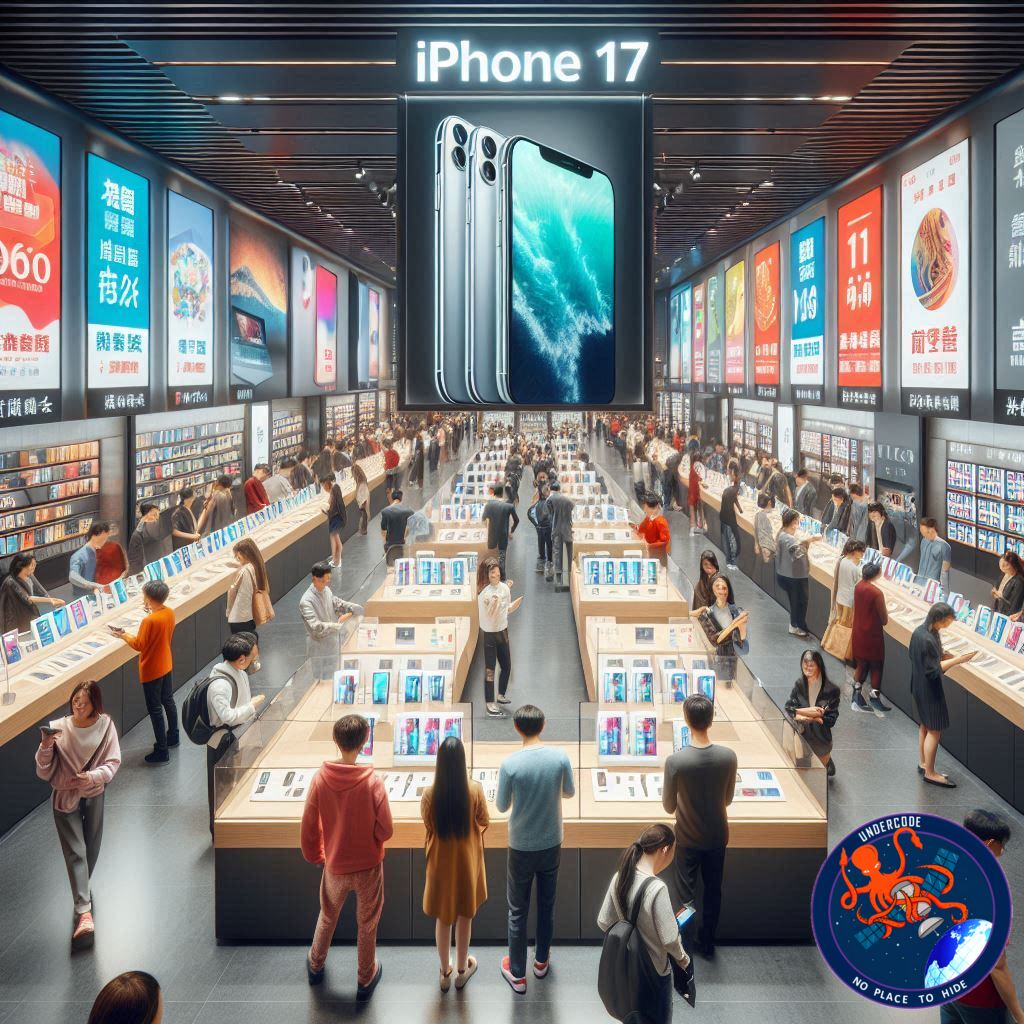
Apple has delivered a stunning turnaround in China’s smartphone market, defying the country’s broader industry slowdown. A recent report from Counterpoint Research reveals that while overall smartphone shipments in China fell by 1.6% in Q4 2025, Apple’s shipments skyrocketed 28% compared to the same period in 2024. This remarkable growth pushed Apple to the top of the Chinese smartphone market in the last quarter, achieving a 21.8% share, up from 16.8% the previous year.
The company’s success is largely attributed to the iPhone 17 lineup. The Pro models, featuring a distinctive new camera design, have captured the attention of consumers, while the base iPhone 17 models offer double the storage of last year’s versions at the same price point. The iPhone Air, which launched later than expected, recorded modest single-digit sales, but analysts see it as a long-term strategic move exploring ultra-thin designs and the future of eSIM smartphones.
Over the full year, Apple achieved a 7.5% increase in shipments, outperforming competitors like Xiaomi, which grew 4.3%. This positioned Apple second in annual market share at 16.7%, narrowly behind Huawei at 16.9%, and slightly ahead of vivo at 16.4%. Strong demand for accessories like AirPods Pro 3, Beats cables, and the Apple AirTag 4-pack further reinforced Apple’s ecosystem in China, enhancing brand loyalty and repeat sales.
What Undercode Says: Apple’s Strategic Leap in China
Strong Product Differentiation Drives Growth
Apple’s surge is a textbook example of product differentiation paying off in a saturated market. The iPhone 17 Pro’s camera redesign is not just cosmetic—it taps into a growing segment of Chinese consumers prioritizing photography and content creation. Meanwhile, doubling the storage on base models without raising prices creates a perceived value advantage over local competitors like vivo and Xiaomi.
Timing and Supply Chain Excellence
The rapid ramp-up of iPhone 17 supply allowed Apple to dominate key shopping periods like Singles’ Day, ensuring it captured pent-up demand. This demonstrates how Apple’s supply chain efficiency is a key competitive edge, allowing the company to respond to market trends faster than local brands.
The Long-Term Potential of iPhone Air
Although initial iPhone Air sales were slow, this model represents a strategic bet on ultra-thin devices and eSIM adoption. In the coming years, as eSIM infrastructure expands in China, Apple could gain first-mover advantages in a market segment that is only now emerging.
Ecosystem Lock-In Reinforces Loyalty
Accessory sales, from AirPods to Apple-branded cables, illustrate how Apple’s ecosystem continues to reinforce user loyalty. Consumers who invest in multiple Apple products are less likely to switch to competitors, even in a price-sensitive market like China.
Market Implications for Local Brands
Apple’s rise may put pressure on domestic brands. Huawei remains strong but faces challenges maintaining momentum as Apple encroaches on its share with high-end offerings. Vivo and Xiaomi, which typically compete on price, must now contend with Apple’s growing perceived value and aspirational branding.
Regional and Global Significance
This performance in China has global implications. With China being one of the largest smartphone markets in the world, Apple’s dominance here contributes significantly to its global revenue. It also signals resilience against geopolitical and supply chain challenges that have affected other regions.
Strategic Lessons for Competitors
Local manufacturers may need to rethink product strategy, pricing, and innovation cadence. Apple’s approach—premium features, storage boosts, ecosystem expansion, and timely releases—sets a new benchmark that domestic players must match or differentiate against.
Consumer Behavior Insights
Chinese consumers are increasingly valuing feature-rich devices and brand prestige over low-cost alternatives. Apple’s success indicates that even in markets with intense price competition, differentiation and perceived value can override cost considerations.
Financial and Brand Outlook
Apple’s strong performance in China could bolster investor confidence and reinforce the company’s premium brand image. Combined with global demand for iPhone 17 models, this positions Apple well for continued revenue growth and margin expansion.
🔍 Fact Checker Results
✅ Apple’s Q4 2025 China market share: 21.8% (Counterpoint Research)
✅ Year-on-year shipment growth: 28% increase for Apple in Q4 2025
✅ Annual market share: Apple 16.7%, Huawei 16.9%, vivo 16.4%
📊 Prediction
Apple’s dominance in China is likely to strengthen through 2026 as supply chains stabilize and the iPhone 17 series matures in the market. The iPhone Air could emerge as a sleeper hit, particularly among urban, tech-savvy consumers attracted to ultra-thin designs and eSIM functionality. Local competitors may face increased pressure to innovate beyond price-based strategies, potentially reshaping the high-end smartphone landscape in China. Accessories and ecosystem integration will remain a key driver for Apple’s sustained growth.
If you want, I can also create a chart showing Apple’s market share growth vs Huawei, Xiaomi, and vivo over 2024–2025 to visually highlight this surge. Do you want me to do that?
🕵️📝✔️Let’s dive deep and fact‑check.
References:
Reported By: 9to5mac.com
Extra Source Hub (Possible Sources for article):
https://www.quora.com
Wikipedia
OpenAi & Undercode AI
Image Source:
Unsplash
Undercode AI DI v2
Bing
🔐JOIN OUR CYBER WORLD [ CVE News • HackMonitor • UndercodeNews ]
📢 Follow UndercodeNews & Stay Tuned:
𝕏 formerly Twitter 🐦 | @ Threads | 🔗 Linkedin | 🦋BlueSky | 🐘Mastodon


