
Listen to this Post
Introduction: A High-Stakes Clash Over Digital Payments
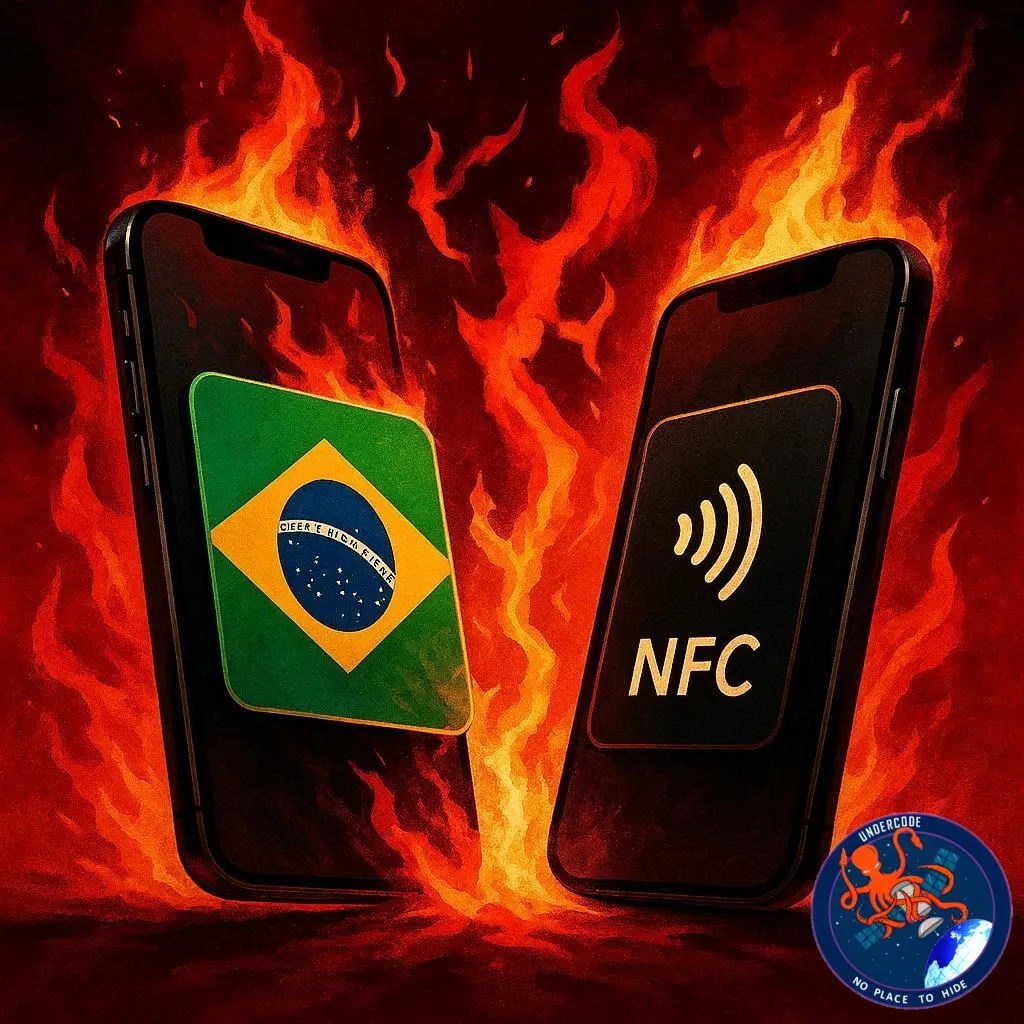
Apple is facing mounting pressure in Brazil as regulators intensify scrutiny over how the company controls access to the iPhone’s NFC (Near Field Communication) technology. At the center of the controversy is whether Apple’s policies unfairly limit competition in the fast-growing contactless payments market. With Brazil being one of the world’s most dynamic fintech ecosystems, the outcome of this investigation could ripple far beyond its borders. As the deadline approaches for Apple to respond to regulators, the case is quickly becoming a defining moment in the global debate over Big Tech’s control of financial infrastructure.
the Original Report
Brazil’s competition authority, CADE, has given Apple until the end of the month to address a series of legal and technical concerns regarding its NFC policies on the iPhone. The investigation stems from complaints filed by Brazil’s central bank and a major banking association, who argue that Apple restricts third-party access to NFC, giving its own payment system an unfair advantage.
Apple has pushed back strongly against these claims. The company insists that Brazilian law does not prohibit it from charging fees for access to its services. It also emphasizes that its market share in Brazil is relatively small—around 10%—and argues that developers have had access to NFC functionality since 2024. According to Apple, the payment ecosystem in Brazil is already highly competitive, and Apple Pay does not harm consumers or exclude rivals.
Despite these arguments, regulators remain unconvinced. CADE has escalated the investigation by formally requesting detailed information about Apple’s fee structures, technical requirements, and agreements with developers. Apple now faces a firm deadline of March 30 to comply.
A key element of the dispute involves PIX, Brazil’s widely used instant payment system launched in 2020. PIX dominates the country’s payment landscape and is often used via QR codes. Although Brazil recently introduced a contactless version of PIX, Apple has declined to support it, arguing that it is not essential given current user behavior. This stance contrasts with competitors who have embraced the feature.
Another critical issue is regulatory classification. Authorities are considering whether Apple should be labeled as a Payment Transaction Initiator—a designation that would impose stricter requirements around interoperability and access. Apple appears to be resisting this classification, likely due to the additional regulatory obligations it would bring.
As of now, Apple has not publicly responded to CADE’s latest request, leaving uncertainty about how the company plans to defend its position in one of its most important emerging markets.
What Undercode Say:
The Real Battle Is About Control, Not Technology
At its core, this dispute is not about NFC technology itself—it’s about who controls the gateway to financial transactions. Apple’s ecosystem has always been built on tight integration and exclusivity, which ensures security and user experience but often limits external participation. Brazil’s regulators are effectively challenging this philosophy by demanding a more open infrastructure.
Brazil as a Testing Ground for Global Regulation
Brazil is emerging as a critical battleground for tech regulation. Its aggressive stance on fintech innovation—particularly with PIX—positions it as a leader in redefining digital payments. If Apple is forced to loosen its NFC restrictions here, other countries could follow suit, creating a domino effect that reshapes global policies.
The PIX Factor Changes Everything
Unlike many markets, Brazil already has a dominant, government-backed payment system in PIX. This gives regulators significant leverage. Apple’s refusal to integrate PIX contactless payments may be seen not just as a technical decision but as resistance to local financial sovereignty. That perception could heavily influence regulatory outcomes.
Apple’s 10% Market Share Argument Is Strategic
Apple’s claim of holding only 10% of Brazil’s smartphone market is not accidental—it’s a calculated defense. By portraying itself as a minor player, Apple attempts to weaken accusations of monopolistic behavior. However, regulators may focus less on market share and more on control over premium users and transaction ecosystems.
Developers Caught in the Middle
Third-party developers are key stakeholders in this conflict. While Apple claims to have opened NFC access, the real question is under what conditions. If fees or technical barriers are too high, access becomes theoretical rather than practical, limiting innovation and competition.
Regulatory Classification Could Be a Game-Changer
If Apple is classified as a Payment Transaction Initiator, the implications would be massive. It would force the company to comply with interoperability standards, potentially opening its ecosystem to competitors in ways it has historically resisted. This could fundamentally alter Apple’s business model in financial services.
Apple’s Silence Is Telling
Apple’s lack of response to the latest regulatory request may indicate a strategic pause rather than avoidance. The company is likely weighing legal, financial, and reputational risks before making its next move. Silence, in this context, is often a sign of high-stakes internal deliberation.
A Clash Between Innovation Models
This situation highlights a broader philosophical divide: centralized innovation versus open ecosystems. Apple represents a controlled, curated model, while Brazil’s fintech environment thrives on openness and rapid integration. The outcome will signal which model gains the upper hand.
Consumer Impact Could Be Subtle but Significant
While the dispute may seem technical, its consequences for consumers could be meaningful. Greater NFC access could lead to more payment options, lower fees, and increased innovation. Conversely, tighter control could maintain a more secure but less competitive environment.
Global Tech Giants Are Watching Closely
Apple is not alone in monitoring this case. Other major tech companies are likely analyzing every development, as the precedent set in Brazil could influence regulatory approaches worldwide. This is bigger than one company—it’s about the future rules of digital finance.
The Timing Aligns With Global Antitrust Trends
This investigation comes at a time when governments around the world are intensifying scrutiny of Big Tech. From Europe to the United States, regulators are increasingly willing to challenge dominant platforms. Brazil’s actions fit squarely within this global trend.
The Outcome May Redefine “Fair Access”
What constitutes fair access to technology platforms is still an evolving concept. This case could help define new standards, particularly in how proprietary systems interact with public financial infrastructure.
Apple’s Long-Term Strategy May Be at Risk
If forced to open its NFC ecosystem, Apple may need to rethink its long-term strategy for payments and services. The company’s ability to monetize its ecosystem could face new constraints, affecting future revenue streams.
A Potential Turning Point for Fintech Innovation
If regulators succeed, the result could be a surge in fintech innovation in Brazil. Easier access to NFC would allow startups and banks to experiment with new payment solutions, accelerating competition and technological progress.
Fact Checker Results
Regulatory Pressure Is Real and Escalating 🔍
✅ CADE has formally requested detailed information from Apple, confirming active investigation
❌ No evidence yet that Apple has violated laws—case is still under review
✅ PIX remains the dominant payment system in Brazil, influencing regulatory priorities
Prediction 📊
Brazil is likely to push for partial concessions rather than a complete overhaul of Apple’s ecosystem. Apple may be forced to adopt limited interoperability measures—especially around PIX—while still retaining core control over its platform. If this happens, it could set a global precedent, encouraging other regulators to demand similar compromises from Big Tech companies.
🕵️📝✔️Let’s dive deep and fact‑check.
References:
Reported By: 9to5mac.com
Extra Source Hub (Possible Sources for article):
https://www.twitter.com
Wikipedia
OpenAi & Undercode AI
Image Source:
Unsplash
Undercode AI DI v2
Bing
🔐JOIN OUR CYBER WORLD [ CVE News • HackMonitor • UndercodeNews ]
📢 Follow UndercodeNews & Stay Tuned:
𝕏 formerly Twitter 🐦 | @ Threads | 🔗 Linkedin | 🦋BlueSky | 🐘Mastodon


