
Listen to this Post
Introduction
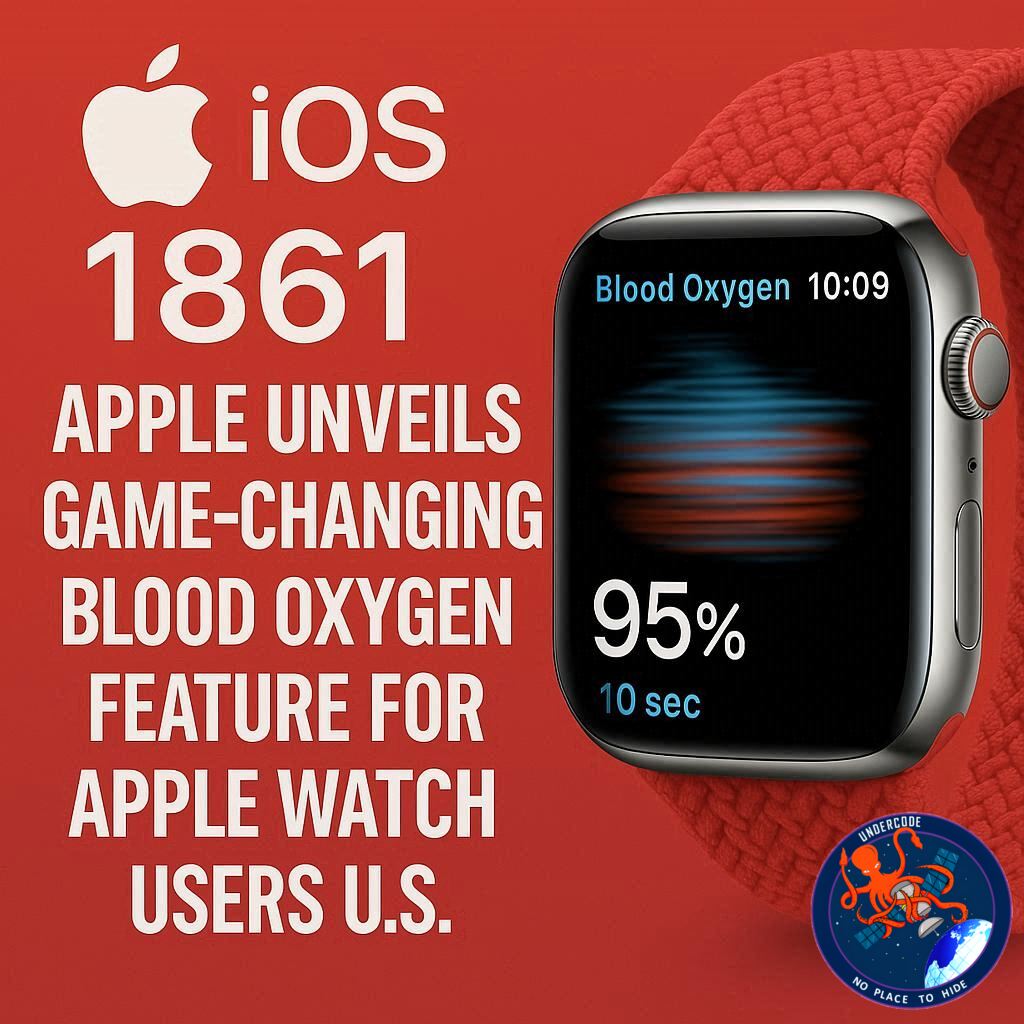
Apple has officially released iOS 18.6.1 for iPhone users, accompanied by watchOS 11.6.1 for Apple Watch owners. This update delivers a redesigned Blood Oxygen feature specifically for Apple Watch Series 9, Series 10, and Ultra 2 models sold in the United States. The move comes after an 18-month absence of the feature due to a patent dispute, marking a major comeback for one of the Apple Watch’s most health-focused tools. This latest update not only resolves a long-standing gap but also redefines how users measure and access their blood oxygen data, offering an innovative approach to health tracking.
the Update
Apple’s iOS 18.6.1 and watchOS 11.6.1 introduce a new way for U.S. users to measure blood oxygen levels on select Apple Watch models. The redesign is a result of Apple’s workaround after halting the feature in the U.S. in response to a legal battle with medical tech company Masimo.
Now, instead of the Apple Watch directly showing blood oxygen readings, users initiate a session through the Blood Oxygen app on their watch. The watch sensors collect raw data, but the actual calculation happens on the iPhone. Final results appear in the Respiratory section of the Health app, making the iPhone the hub for viewing measurements.
The feature is exclusive to Apple Watch Series 9, Series 10, and Ultra 2 units sold in the United States that previously lacked the original blood oxygen capability. Watches purchased outside the U.S. or older models with the original feature remain unaffected.
Apple clarifies that iOS 18.6.1 has no additional new features beyond this health tool revamp. Users can install it by navigating to Settings > General > Software Update on their iPhone.
What Undercode Say:
From a tech perspective, this redesign is a strategic workaround by Apple. By shifting the computation of blood oxygen levels from the watch to the iPhone, Apple effectively sidesteps patent restrictions while still providing users with the health insights they expect.
This move also highlights Apple’s adaptability in the face of legal challenges. Instead of removing the feature entirely from U.S. units, they found a way to reintroduce it with a fresh operational model. This ensures Apple Watch remains competitive in the wearable health monitoring space, which is increasingly important as rivals like Samsung and Garmin push their own health innovations.
The shift could also have subtle implications for user behavior. Since the measurements are now stored and viewable only in the iPhone’s Health app, Apple may be indirectly encouraging deeper engagement with iOS’s health ecosystem. This could drive users to explore more of Apple’s wellness and fitness tracking features, strengthening the iPhone’s role as a central health hub.
From a technical standpoint, offloading calculations to the iPhone may open the door to more advanced analytics in the future. The processing power of the iPhone compared to the watch allows for richer analysis, potentially paving the way for more accurate readings, trend tracking, and AI-driven health insights.
There’s also a potential privacy angle. Because all final calculations occur on the iPhone, Apple maintains its strong privacy positioning by keeping sensitive health data processed on-device rather than on external servers.
However, the redesign does come with trade-offs. The lack of real-time viewing on the watch means users lose the immediate feedback they once had. While this might be a minor inconvenience, it could reduce the appeal for those who value quick checks during workouts or outdoor activities.
Still, Apple’s brand strength and health focus may outweigh these limitations. Given Apple’s history, it’s likely this change will be temporary—once the legal dust settles, a fully integrated on-watch blood oxygen feature could return.
The release also signals Apple’s commitment to iterative software updates, even for features affected by external disputes. This reassures users that Apple won’t abandon core functionalities without exploring every possible workaround.
Overall, iOS 18.6.1 is more than just a technical update—it’s a statement of persistence, adaptability, and the company’s ongoing mission to make health tracking accessible, even in challenging circumstances.
Fact Checker Results ✅❌
✅ Apple has officially released iOS 18.6.1 and watchOS 11.6.1 in the U.S.
✅ The redesigned Blood Oxygen feature works only with iPhone-based calculations.
❌ The update does not add any other new features beyond the Blood Oxygen tool.
🔮 Prediction
Apple will likely enhance this redesigned Blood Oxygen system with AI-powered trend analysis in future iOS updates. If the Masimo dispute resolves, expect a seamless reintegration of on-watch calculations, potentially paired with additional health sensors in upcoming Apple Watch models.
🕵️📝✔️Let’s dive deep and fact‑check.
References:
Reported By: 9to5mac.com
Extra Source Hub:
https://www.twitter.com
Wikipedia
OpenAi & Undercode AI
Image Source:
Unsplash
Undercode AI DI v2
🔐JOIN OUR CYBER WORLD [ CVE News • HackMonitor • UndercodeNews ]
📢 Follow UndercodeNews & Stay Tuned:
𝕏 formerly Twitter 🐦 | @ Threads | 🔗 Linkedin | 🦋BlueSky | 🐘Mastodon


