
Listen to this Post
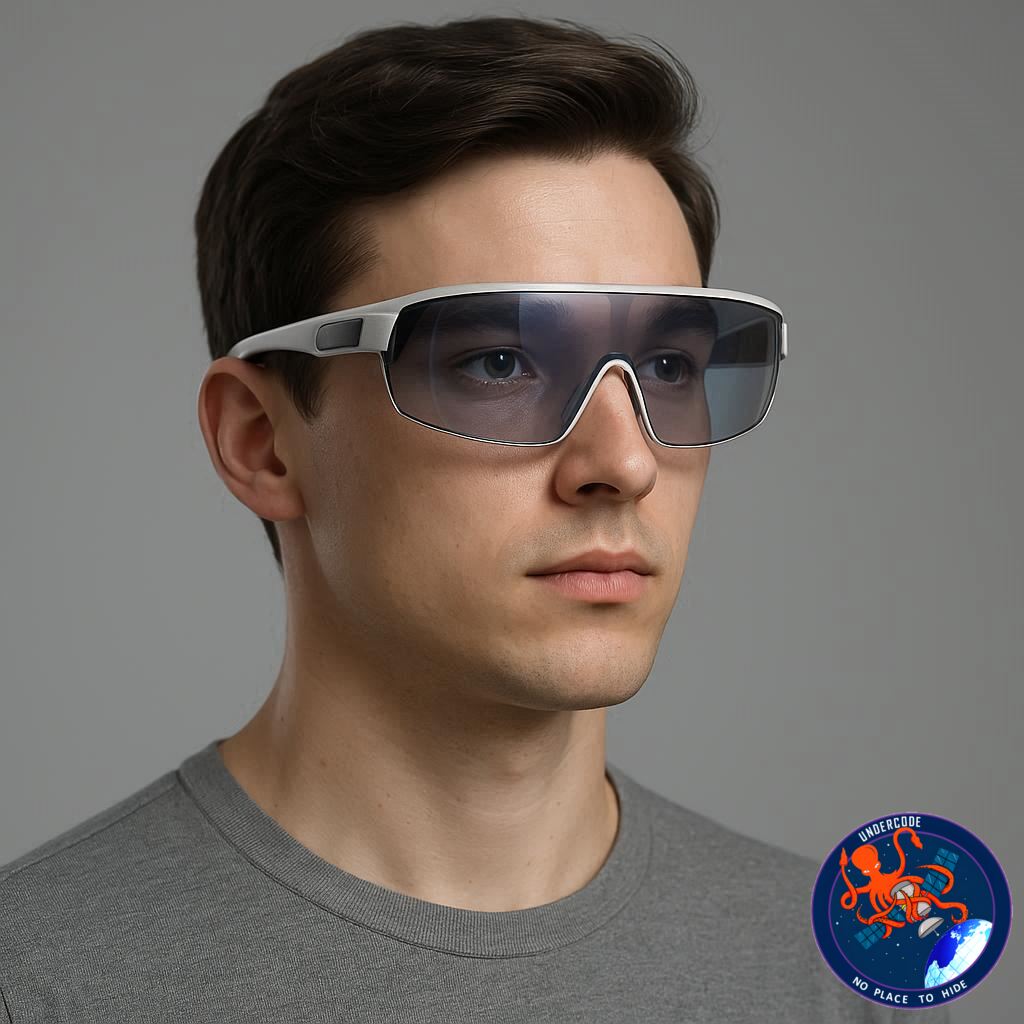
Introduction: A New Era of Apple AR 🖥️
Apple’s Vision Pro stunned tech enthusiasts with its cutting-edge augmented reality capabilities, but its hefty price tag and cumbersome design left many hesitant. Rumors of a lighter, more affordable version—possibly named Vision Air—have been swirling for years. Yet recent reports suggest that Apple may be putting this project on hold, focusing instead on smart glasses that can directly compete with Meta’s products. Could the dream of an accessible, comfortable AR headset be slipping away, or is Vision Air still on the horizon?
The High Cost of Innovation 💸
The original Vision Pro impressed with its features, but its price—over $3,500—was prohibitive. This places it above many high-end MacBooks, making it inaccessible to the average Apple fan. Early reviewers also highlighted another problem: the headset’s weight. Extended use often led to discomfort, a challenge that would need serious engineering solutions for a broader audience.
Vision Air: Solving the Big Problems ⚡
Vision Air is expected to address both major drawbacks of Vision Pro. While still a premium product, analysts speculate a price range of $1,500–$2,000. Apple aims to make the headset lighter by removing the EyeSight feature and reducing metal components. EyeSight, intended to make Vision Pro users appear more connected to the outside world, never gained popularity and may be seen as unnecessary. Even if the resolution is slightly lower than Vision Pro, it is expected to remain sufficient for most applications.
The Delay Dilemma ⏳
Reports suggest Apple is pausing Vision Air development to concentrate on smart glasses that can rival Meta. Originally slated for a 2027 release under the code name N100, resources are being redirected to accelerate smart glasses development. This shift raises questions about whether Vision Air will ever launch.
Could Vision Air Become Obsolete Before Launch? ⚠️
With smart glasses rapidly evolving, the need for a bulky headset may decline. Features like multi-monitor setups for Macs and immersive media viewing could soon be fully handled by smart glasses. If the standalone headset adds minimal benefit for Apple’s current ecosystem of iPhone and Mac users, Vision Air risks becoming irrelevant before it even hits the market.
What Undercode Say: Analytical Insights 🔍
Apple’s AR strategy appears increasingly focused on long-term wearable solutions rather than standalone headsets. Vision Pro was likely a stepping stone, allowing Apple to test hardware, software, and user adoption patterns before committing to a full-scale consumer device.
Financially, the decision to pivot from Vision Air to smart glasses makes sense. Developing a lower-cost headset while competing with Meta would require extensive R&D investment with uncertain returns. By prioritizing glasses, Apple can enter a faster-growing market segment where adoption is more likely.
From a design standpoint, lighter glasses are inherently more appealing than bulky headsets, increasing daily usability. Consumers want convenience, not immersion that demands hours of physical endurance. Vision Air’s weight reduction efforts indicate Apple recognizes this—but only glasses can fully satisfy casual, everyday users.
The technology trade-offs are also notable. Reducing EyeSight and lowering display resolution might make Vision Air more comfortable, but it could also limit its premium appeal. Apple faces a delicate balance between price, usability, and feature richness.
User behavior analytics hint at another issue. Many potential buyers already own iPhones, iPads, and Macs, making a standalone headset redundant for routine tasks. The headset may be viewed as a niche luxury rather than a must-have.
Market competition adds further pressure. Meta’s rapid advancements in smart glasses, combined with cheaper alternatives, could undercut any market share Vision Air might capture. Apple risks launching a product that is technically impressive but commercially marginal.
There is also a timeline factor. If Vision Air is delayed to 2027, smart glasses technology will have likely advanced further, making Vision Air seem outdated at launch.
Apple’s accessory ecosystem suggests incremental adoption. Accessories like MagSafe batteries, cases, and adapters show Apple’s strategy of creating complementary revenue streams, hinting that glasses could serve as the central device, with peripherals enhancing the experience.
Strategically, Apple may be waiting for a technological breakthrough—perhaps a truly lightweight, high-resolution, low-power headset—before releasing a broader consumer version. This cautious approach aligns with Apple’s history of perfecting products before mass-market launch.
In essence, Vision Air might be less a product delay and more a strategic pause. Apple could be positioning smart glasses as the first truly mass-market AR wearable, reserving Vision Air for a future phase or abandoning it altogether.
Ultimately, Apple faces a critical decision: release a compromised headset or wait until technology and market conditions align perfectly. The outcome will shape Apple’s AR trajectory for years.
Fact Checker Results ✅❌
✅ Vision Pro is currently priced above $3,500.
✅ Vision Air is expected to be lighter and cheaper, estimated between $1,500–$2,000.
❌ Reports of a confirmed 2027 release are unverified; delays are highly probable.
Prediction 🔮
Apple is likely to prioritize smart glasses over Vision Air, with the latter either delayed indefinitely or integrated into a future product. By 2028, smart glasses could replace bulky headsets for mainstream consumers, making standalone AR devices niche or luxury items. Expect Apple to unveil a prototype in 2026, focusing on seamless integration with iPhones and Macs, while Vision Air may become an optional high-end accessory for enthusiasts.
🕵️📝✔️Let’s dive deep and fact‑check.
References:
Reported By: 9to5mac.com
Extra Source Hub:
https://www.twitter.com
Wikipedia
OpenAi & Undercode AI
Image Source:
Unsplash
Undercode AI DI v2
🔐JOIN OUR CYBER WORLD [ CVE News • HackMonitor • UndercodeNews ]
📢 Follow UndercodeNews & Stay Tuned:
𝕏 formerly Twitter 🐦 | @ Threads | 🔗 Linkedin | 🦋BlueSky | 🐘Mastodon


