
Listen to this Post
Introduction
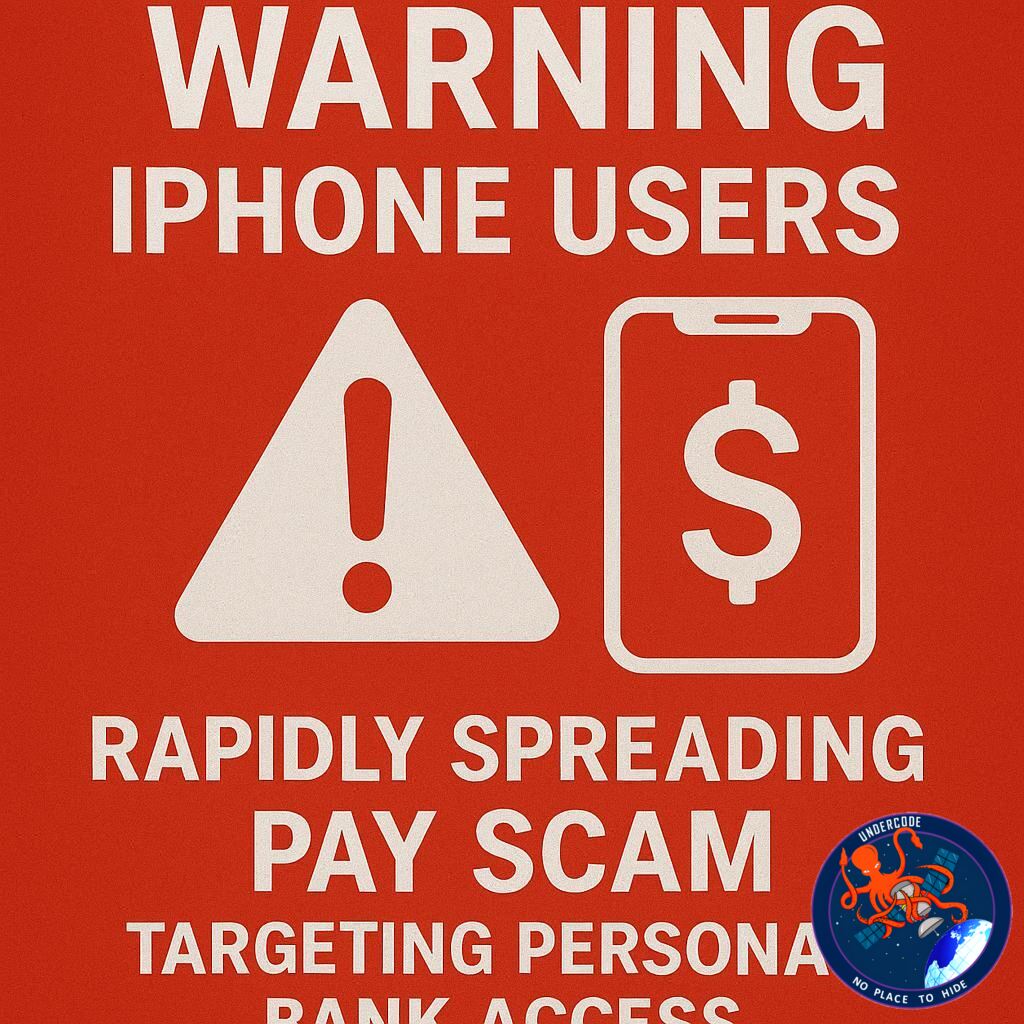
A new wave of fraud targeting iPhone users has triggered an urgent warning from Apple as cybercriminals increasingly rely on fear-based tactics to steal sensitive financial information. The scam, which revolves around fake Apple Pay alerts sent through calls and text messages, is spreading across multiple regions including the United States and Europe. Victims are being pressured into acting immediately, often resulting in stolen passwords, compromised accounts, and significant financial losses. As digital payment systems become more common, attackers are refining their methods to exploit urgency and trust in familiar brands.
Summary of the Original
The scam begins with a deceptive message that appears to come directly from Apple, warning users of suspicious activity linked to their Apple Pay account. The message is designed to create panic by claiming that unauthorized transactions are occurring and immediate action is required. Users are instructed to call a provided phone number to resolve the issue, which is actually controlled by scammers posing as Apple Support representatives or even impersonating bank officials or law enforcement agents. Once contact is established, the attackers use psychological pressure, urgency, and technical sounding language to convince victims to reveal sensitive information such as passwords, verification codes, and banking details. In many cases, victims are also persuaded to transfer funds or approve fraudulent transactions without realizing the consequences. Reports indicate that this scam is becoming more widespread due to its simplicity and high success rate, as it exploits human fear and confusion rather than technical vulnerabilities. In response, Apple has repeatedly clarified that it never initiates contact with users via phone calls or unsolicited messages regarding account issues, payments, or security alerts. The company also emphasizes that it will never request passwords, verification codes, or direct users to external links for account verification. Users who receive suspicious messages are advised to ignore them, avoid calling any numbers provided, and report phishing attempts directly through official Apple channels. Security experts further highlight key warning signs, including unexpected alerts, urgent language, requests for sensitive data, and instructions to act immediately. The overall guidance is to treat any unexpected communication as fraudulent until verified through official support platforms. By staying cautious and avoiding impulsive reactions, users can significantly reduce their risk of falling victim to these scams, which continue to evolve alongside digital payment adoption.
What Undercode Say:
Cybersecurity threats like this highlight a deeper shift in modern fraud tactics.
Attackers are no longer relying on system breaches alone.
Instead, they exploit human psychology as the weakest entry point.
Urgency is the core weapon in this Apple Pay scam strategy.
When users feel panic, rational verification is often bypassed.
This is why impersonation of trusted brands is so effective.
Apple’s brand trust becomes a double edged sword in this scenario.
Scammers leverage that trust to create instant credibility.
The use of phone calls adds another layer of perceived legitimacy.
Many users associate direct calls with high priority security alerts.
This assumption is exactly what attackers depend on.
The scam also shows how social engineering is evolving rapidly.
Instead of malware, the attack vector is conversation itself.
Victims are essentially manipulated into handing over access willingly.
Two factor authentication codes are especially dangerous in this context.
Once those codes are shared, account takeover becomes immediate.
Financial losses occur within minutes, not hours or days.
This speed makes recovery extremely difficult.
The global spread of the scam indicates low operational barriers.
Cybercriminals can scale these tactics with minimal technical resources.
This shifts cybersecurity focus toward user education.
Technical defenses alone are no longer sufficient.
Platform warnings must be reinforced with behavioral awareness.
Users must learn to distrust urgency as a default signal.
Legitimate companies do not demand immediate action through cold contact.
Verification must always occur through official apps or websites.
The scam also reflects broader weaknesses in voice call security.
Caller ID spoofing remains a major enabler of trust exploitation.
Regulators and tech companies still struggle to close this gap.
Until then, user skepticism remains the strongest defense layer.
The key takeaway is simple, pause before you respond.
That pause alone can break the entire attack chain.
Fact Checker Results
Apple does not contact users via unsolicited calls or texts for account security issues.
Reports confirm a rise in social engineering scams targeting mobile payment users globally.
Security guidance consistently advises verifying alerts only through official support channels.
Prediction
This type of scam is expected to grow as mobile payment adoption increases worldwide.
Attackers will likely integrate AI generated voice calls to improve realism and deception.
Future defenses will rely heavily on automated scam detection and user behavior training.
🕵️📝✔️Let’s dive deep and fact‑check.
References:
Reported By: www.legit.ng
Extra Source Hub (Possible Sources for article):
https://www.quora.com/topic/Technology
Wikipedia
OpenAi & Undercode AI
Image Source:
Unsplash
Undercode AI DI v2
Bing
🔐JOIN OUR CYBER WORLD [ CVE News • HackMonitor • UndercodeNews ]
📢 Follow UndercodeNews & Stay Tuned:
𝕏 formerly Twitter 🐦 | @ Threads | 🔗 Linkedin | 🦋BlueSky | 🐘Mastodon


