
Listen to this Post
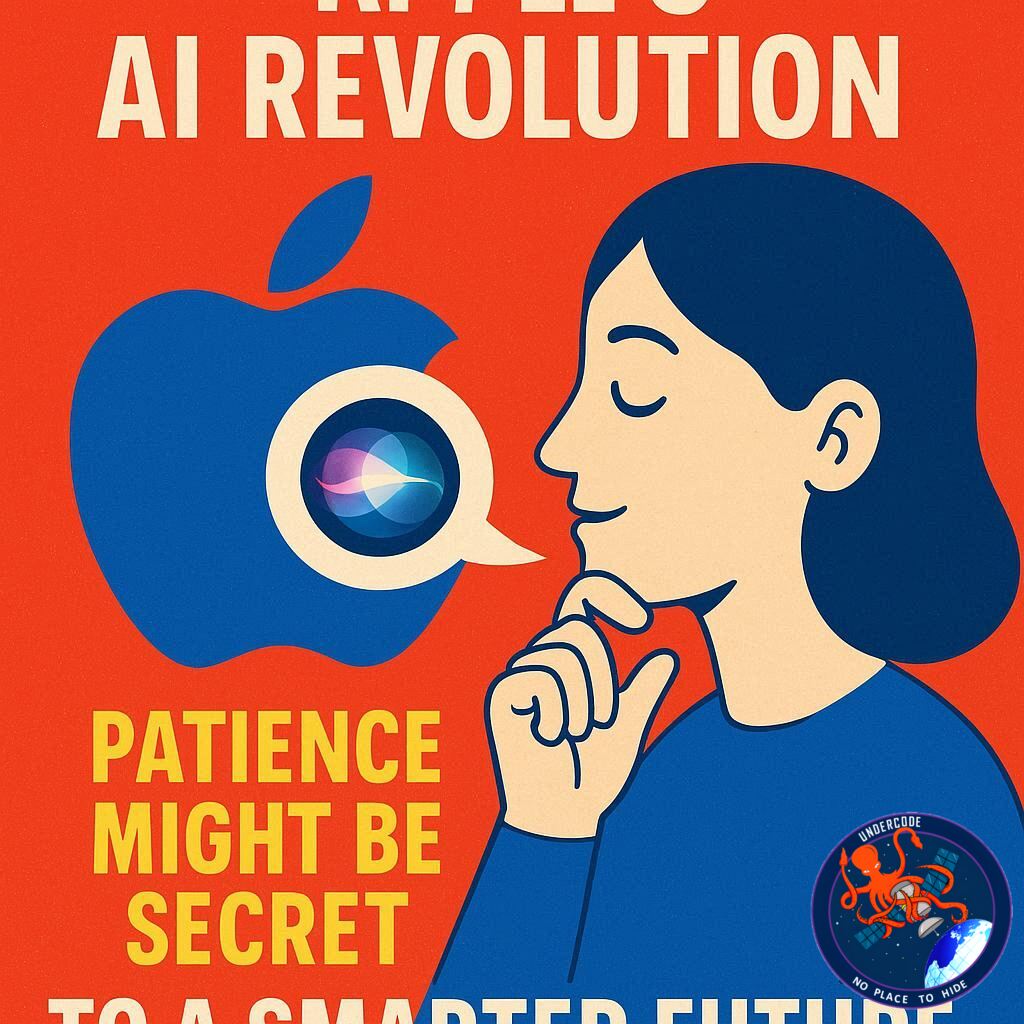
Introduction: Apple’s AI Journey
Apple’s pursuit of smarter AI and enhanced Siri capabilities has been slow, but recent developments show why caution may actually be beneficial. While the tech world races ahead with AI agents capable of making real-world decisions, Apple is taking a measured approach. This article explores the company’s App Intents feature, the challenges of AI agent reliability, and what this means for everyday users.
A Long-Awaited Upgrade: App Intents and Siri
Apple has long promised advanced AI functionality for Siri, including the ability to schedule tasks, make reservations, and interact seamlessly with apps. The App Intents framework, first introduced in 2022, aims to allow Siri to pull data from apps and perform complex tasks. However, users may have to wait until next spring for the full rollout.
The Power of AI Agents
Imagine telling Siri, “Arrange lunch with Sam next week.” With advanced AI:
Siri would check both your and Sam’s calendars.
It could find a mutually preferred restaurant.
It might even make the reservation online automatically.
Google has begun offering similar capabilities, particularly in restaurant bookings, while Apple’s full vision remains pending. This shows the potential of AI agents but also highlights the technical complexity involved.
Reliability Issues Across the Tech Industry
AI agents are still prone to errors. Statistics reveal that:
51% of companies have deployed AI agents.
80% of these agents have made unexpected or incorrect decisions.
Many businesses implement these systems with minimal oversight, risking serious operational mistakes. Apple, by contrast, seems intent on taking a cautious approach.
Why Apple’s Slow Rollout Might Be Smart
Even the basic functionality of pulling information from apps could be problematic if the data is inaccurate. Task automation adds layers of risk, especially for casual users who assume Siri will get it right. Apple’s methodical testing may prevent mistakes and build a stronger, safer AI foundation.
What Undercode Say: Analytic Insights 📝
Apple’s cautious pace with App Intents reflects a broader industry challenge: balancing AI innovation with reliability. Rushed deployments, as seen with Google’s restaurant bookings, expose users to errors and frustrate trust. Apple’s approach suggests three key advantages:
- Risk Mitigation – Slower testing reduces rogue decisions and potential mishaps.
- User Trust – Ensuring reliability before rollout maintains Apple’s reputation for safe and intuitive technology.
- Integration Depth – Gradual deployment allows deeper integration with apps, user calendars, and preferences, leading to more seamless experiences.
From a strategic perspective, this cautious method may initially frustrate tech enthusiasts, but it positions Apple to deliver a refined AI agent that works reliably across multiple tasks. By learning from the mistakes of others, Apple could emerge as the leader in trustworthy AI automation.
Industry analytics suggest that AI adoption is growing rapidly but often without adequate safety measures. Companies deploying AI agents prematurely may face operational or legal risks. Apple’s incremental rollout, meanwhile, allows time to identify edge cases, ensure data accuracy, and perfect interactions with users’ apps and personal data.
Furthermore, App Intents could redefine personal AI assistance by enabling:
Predictive task handling based on user preferences
Cross-app intelligence for smarter decision-making
Enhanced privacy protections during automated processes
By carefully implementing these features, Apple is signaling that a high-functioning, dependable AI assistant is more valuable than a rushed launch. The combination of reliability, privacy, and integrated functionality could give Apple a competitive edge once App Intents fully arrive.
Fact Checker Results ✅❌
✅ Apple has announced App Intents but full rollout is delayed until next spring.
❌ Claims that Siri currently performs full AI agent tasks automatically are inaccurate.
✅ Industry statistics show AI agents frequently make unpredictable decisions.
Prediction 🔮
Apple’s measured approach suggests that by 2026, Siri could evolve into one of the most reliable AI assistants available. Expect features like smart scheduling, predictive recommendations, and seamless app integration to be delivered with a strong focus on accuracy and user trust. Early adopters may see incremental improvements by late 2025, but the full vision of AI agent-powered iPhones will likely arrive in a phased, well-tested rollout.
🕵️📝✔️Let’s dive deep and fact‑check.
References:
Reported By: 9to5mac.com
Extra Source Hub:
https://www.reddit.com/r/AskReddit
Wikipedia
OpenAi & Undercode AI
Image Source:
Unsplash
Undercode AI DI v2
🔐JOIN OUR CYBER WORLD [ CVE News • HackMonitor • UndercodeNews ]
📢 Follow UndercodeNews & Stay Tuned:
𝕏 formerly Twitter 🐦 | @ Threads | 🔗 Linkedin | 🦋BlueSky | 🐘Mastodon


