
Listen to this Post
Introduction: A Turning Point in Apple’s Strategy
Apple is once again making headlines—not with a single product launch, but with a series of strategic decisions that hint at a deeper transformation within the company. From discontinuing one of its most iconic professional machines to quietly rewarding its top engineers and embracing third-party AI integrations, Apple appears to be recalibrating its priorities for a future dominated by artificial intelligence and mobile-first experiences. These developments, highlighted in a recent 9to5Mac Daily recap, offer a revealing glimpse into where the tech giant is headed next—and what it might mean for users, developers, and the broader tech ecosystem.
the Original Report
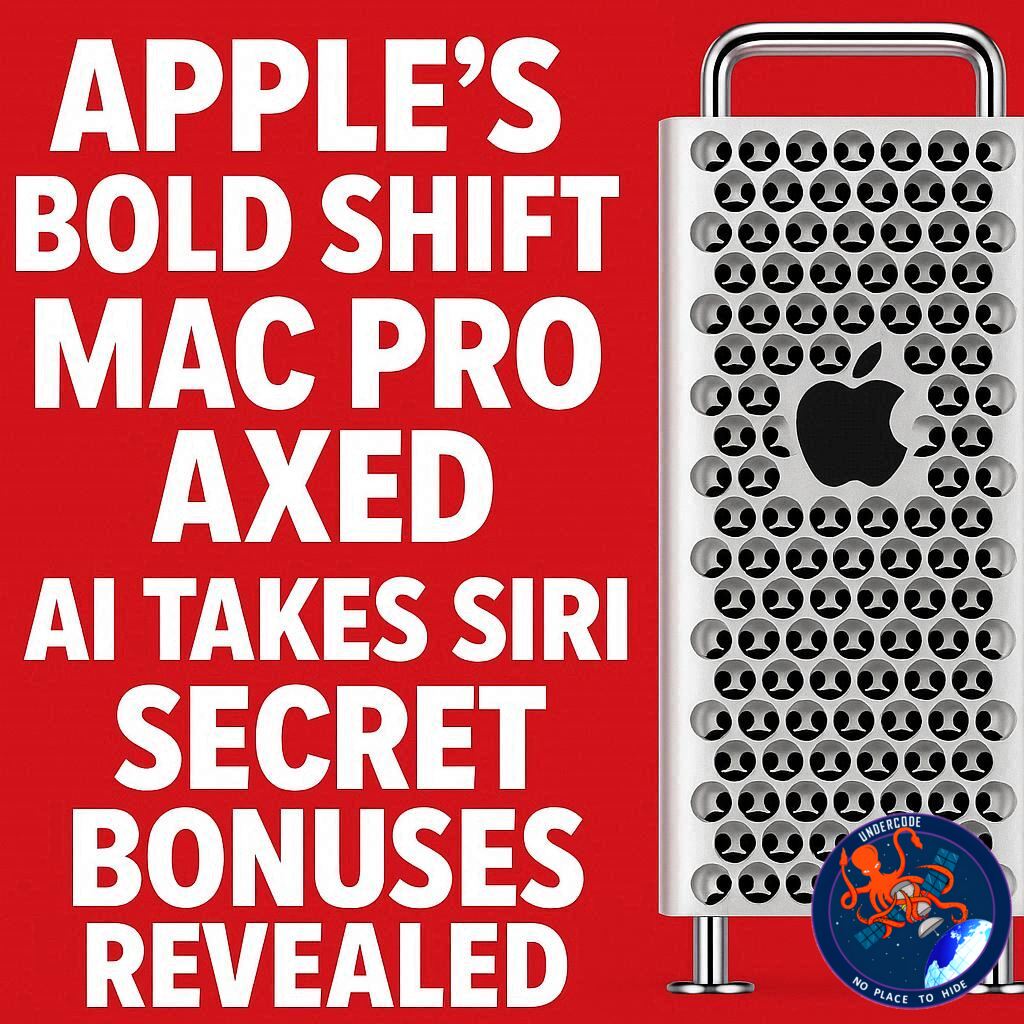
The latest episode of 9to5Mac Daily brings together several noteworthy developments shaping Apple’s current trajectory. One of the most surprising revelations is Apple’s decision to discontinue the Mac Pro, a device long associated with high-end professional workflows. According to the report, there are currently no plans for future hardware in this category, marking a significant shift away from traditional desktop computing for power users.
In parallel, Apple is reportedly taking steps to retain its top talent, particularly those involved in designing the iPhone. The company has issued rare bonuses to key engineers, signaling concern about potential departures in a highly competitive tech labor market. These bonuses are not typical for Apple, which historically relies more on long-term incentives than immediate financial rewards.
Another major highlight is Apple’s evolving approach to artificial intelligence. Reports suggest that iOS 27 could allow third-party AI chatbot apps, including Claude, to integrate directly with Siri. This would represent a major departure from Apple’s traditionally closed ecosystem, opening the door for more flexible and powerful voice assistant capabilities.
The podcast also emphasizes accessibility and convenience for listeners, noting that 9to5Mac Daily is available across multiple platforms including Apple Podcasts, Stitcher, TuneIn, and others. New episodes are released every weekday, ensuring a steady stream of updates for Apple enthusiasts. Additionally, listeners are encouraged to subscribe for ad-free content and bonus material through the 9to5Mac Daily Plus program.
Sponsorship is another component of the show, with Backblaze offering a 20% discount on its backup services using a dedicated promo code. The episode wraps up by inviting audience engagement, encouraging listeners to share feedback via email or rate the podcast on various platforms to help expand its reach.
Overall, the recap paints a picture of a company in transition—balancing legacy hardware decisions, internal workforce dynamics, and a growing emphasis on AI-driven features that could redefine user interaction in the near future.
What Undercode Say:
Apple’s Quiet Exit from the Mac Pro Era
Apple discontinuing the Mac Pro without a clear successor signals more than just a product decision—it reflects a philosophical shift. The company has been steadily moving away from niche, high-maintenance hardware toward scalable, mass-market devices. With Apple Silicon already powering laptops and compact desktops efficiently, the need for a bulky, upgrade-heavy workstation may no longer align with Apple’s streamlined vision.
Talent Retention Reveals Industry Pressure
The reported bonuses for iPhone designers highlight a growing tension in the tech industry. Skilled engineers, especially those experienced in hardware-software integration, are increasingly being targeted by competitors in AI, automotive tech, and even startups. Apple’s move suggests it recognizes the risk of losing institutional knowledge at a critical moment of transformation.
Opening Siri to Third-Party AI Is a Big Deal
Allowing external AI systems like Claude to integrate with Siri could be one of the most significant changes Apple has made to its ecosystem in years. Historically, Apple has maintained tight control over its software environment. This shift indicates a pragmatic approach—acknowledging that external AI models may outperform in certain areas and that collaboration could enhance user experience.
AI as the New Competitive Battlefield
Apple’s gradual embrace of AI integration shows it is no longer content to lag behind competitors in this space. While companies like Google and OpenAI have taken early leads, Apple appears to be building a hybrid model—combining its privacy-focused architecture with external AI capabilities. This could create a unique value proposition if executed correctly.
The Risk of Fragmentation
However, integrating third-party AI into Siri is not without risks. It could lead to inconsistent user experiences, especially if different chatbot apps behave differently. Apple will need to establish strict guidelines and quality controls to maintain its reputation for seamless integration.
Subscription Models and Ecosystem Lock-In
The promotion of ad-free subscriptions and bonus content reflects a broader industry trend toward recurring revenue models. Apple has already embraced this with services like Apple Music and iCloud. Extending this mindset to content platforms like podcasts reinforces the idea that user engagement is just as valuable as hardware sales.
The Bigger Picture: A Company Reinventing Itself
Taken together, these developments suggest Apple is entering a new phase. The company is less focused on dominating every category with proprietary solutions and more interested in curating an ecosystem that blends internal strengths with external innovation. This could make Apple more adaptable—but also more complex.
Strategic Minimalism or Calculated Risk?
Apple’s decisions might look like simplification on the surface, but they carry significant strategic weight. Removing the Mac Pro reduces hardware complexity, while opening Siri increases software complexity. Balancing these opposing forces will be key to Apple’s success in the coming years.
Developers Stand to Gain—or Lose
For developers, the integration of third-party AI into Siri could open new opportunities for app functionality and user engagement. However, it also raises questions about competition and visibility within Apple’s ecosystem. Will Apple favor certain partners? Or will it maintain a level playing field?
მომხმარებლის Experience at the Center
Ultimately, all these changes revolve around improving user experience. Whether it’s faster AI responses, more personalized interactions, or simplified hardware choices, Apple’s end goal remains the same: making technology feel intuitive and indispensable.
🔍 Fact Checker Results
✅ Apple discontinuing the Mac Pro has been widely reported, though future plans remain uncertain.
❌ Claims about full Siri integration with all third-party AI apps are still speculative and not officially confirmed.
✅ Reports of bonuses for iPhone engineers are credible and align with industry trends of talent retention.
📊 Prediction
Apple is likely to double down on AI partnerships while continuing to phase out niche hardware products that don’t align with its broader ecosystem strategy. Over the next few years, Siri could evolve into a hybrid assistant powered by both Apple’s in-house technology and carefully selected third-party AI models, potentially redefining how users interact with their devices.
🕵️📝✔️Let’s dive deep and fact‑check.
References:
Reported By: 9to5mac.com
Extra Source Hub (Possible Sources for article):
https://www.stackexchange.com
Wikipedia
OpenAi & Undercode AI
Image Source:
Unsplash
Undercode AI DI v2
Bing
🔐JOIN OUR CYBER WORLD [ CVE News • HackMonitor • UndercodeNews ]
📢 Follow UndercodeNews & Stay Tuned:
𝕏 formerly Twitter 🐦 | @ Threads | 🔗 Linkedin | 🦋BlueSky | 🐘Mastodon


