
Listen to this Post
Introduction: A Rare Shift in Apple’s Pricing Philosophy
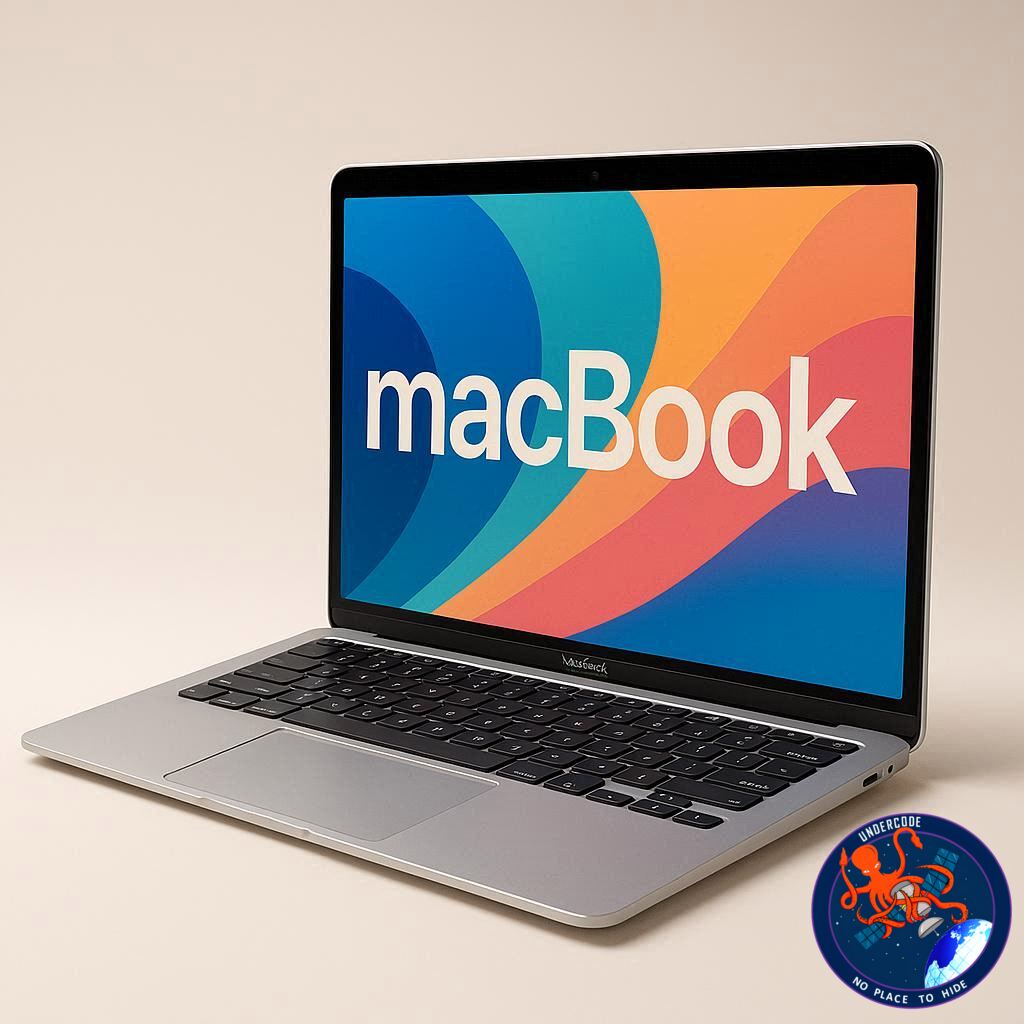
Apple has never built its empire on affordability. Premium materials, polished software, and ecosystem control have long justified higher price tags. Yet fresh reports suggest a surprising turn. A lower-cost MacBook could be arriving soon, potentially priced between $599 and $699 USD, undercutting the current $999 MacBook Air. If true, this device may not only reshape Apple’s laptop lineup but also complicate the decision for anyone considering the iPad Air. For years, buyers seeking a budget-friendly Apple computing device were nudged toward the iPad with a keyboard accessory. That compromise may no longer make sense.
The Rumored Budget MacBook: A Strategic Expansion of Apple’s Laptop Lineup
Respected industry analysts, including Bloomberg’s Mark Gurman and supply chain expert Ming-Chi Kuo, indicate Apple could introduce a more affordable MacBook as early as March. Unlike speculative leaks from obscure sources, these reports carry weight. The device is expected to sit well below the MacBook Air in price, marking one of Apple’s most aggressive moves into lower-cost computing in years.
At a projected $599 to $699 USD, this MacBook would position itself closer to mid-range tablets and entry-level Windows laptops rather than premium ultrabooks. Such pricing would represent a significant recalibration of Apple’s traditional laptop strategy.
Why the iPad Plus Keyboard Argument Has Never Fully Worked
For years, the common advice for budget-conscious Apple buyers was simple: purchase an iPad and pair it with a keyboard case. On paper, this setup offers portability, flexibility, and reduced cost compared to a MacBook. In practice, the experience has often felt compromised.
iPadOS, while improved over time, remains fundamentally optimized for touch. Multitasking, file management, and professional workflows still feel more natural on macOS. Many desktop-class applications available on Mac either do not exist on iPad or operate in restricted forms. The gap is especially noticeable for users working with advanced productivity tools, creative software, or development environments.
Typing experience also becomes a limiting factor. Keyboard cases are convenient but rarely replicate the stability and tactile satisfaction of a true laptop keyboard. External mechanical keyboards can improve the situation, yet they undermine portability, defeating one of the iPad’s key advantages.
Apple Silicon Inside: A18 Pro vs M3 Performance Comparison
The rumored MacBook is expected to feature the A18 Pro chip, originally introduced in the iPhone 16 Pro lineup in 2024. Meanwhile, the current iPad Air runs on Apple’s M3 chip from 2023. At first glance, this seems like a mismatch, a mobile chip inside a laptop competing with a chip designed for Macs.
Benchmarks suggest the A18 Pro performs impressively in single-core tasks, sometimes edging ahead of the M3. The M3 maintains stronger multi-core performance, particularly for demanding workloads. For general productivity, browsing, document editing, media consumption, and moderate creative work, the difference may be negligible for most users.
The real differentiator will likely be software optimization. macOS is built for desktop workflows. Even if raw performance is comparable, the operating system’s flexibility could make the budget MacBook feel more capable than the iPad Air in everyday computing tasks.
Build Quality: Aluminum Over Plastic Signals Serious Intent
One of the most intriguing aspects of the rumored MacBook is its expected aluminum chassis. Budget laptops often rely on plastic to reduce cost. Apple reportedly plans to avoid that compromise.
Maintaining aluminum construction serves two purposes. First, it preserves the premium tactile identity associated with MacBooks. Second, it ensures that stepping up from a $599 iPad Air to a slightly more expensive MacBook does not feel like a downgrade in physical quality.
If this device becomes many users’ first introduction to macOS, Apple cannot afford to make it feel cheap. The build decision suggests long-term strategic thinking rather than a short-term experiment.
Display Technology and Size: Practical Similarities
Reports indicate the new MacBook will feature a display slightly smaller than the 13.6-inch MacBook Air. It is expected to use a lower-end LCD panel. The iPad Air also relies on LCD technology rather than OLED or mini-LED.
This means display quality may not dramatically favor one device over the other. Screen size becomes a matter of form factor preference rather than clear superiority. The iPad offers 11-inch and 13-inch options, while the MacBook will likely target a compact laptop experience.
Battery Life: The Quiet Advantage of a Laptop Form Factor
Battery performance may become a decisive factor. The current iPad Air offers up to 10 hours of web browsing or video playback. The 13-inch MacBook Air reaches up to 18 hours under similar conditions. Even if the budget MacBook falls short of the Air’s endurance, the larger chassis provides room for a bigger battery than a tablet.
For students, remote workers, and travelers, extended battery life translates directly into usability. A device that lasts an entire day without anxiety carries practical weight beyond benchmark charts.
Flexibility vs Productivity: Where the iPad Still Holds Ground
The iPad Air maintains one major advantage: versatility. It functions as both tablet and quasi-laptop. Touchscreen interaction, stylus support, and ultra-light portability give it creative flexibility that a traditional MacBook cannot match.
For digital artists, note-takers, and media consumers, the tablet form factor remains compelling. It slips easily into a backpack, weighs less, and adapts to casual environments effortlessly.
The rumored MacBook, by contrast, will prioritize productivity consistency over hybrid flexibility. It is unlikely to include a touchscreen. Its strength lies in traditional computing stability rather than adaptability.
Echoes of Steve Jobs: Affordable Excellence Revisited
Apple’s co-founder Steve Jobs often emphasized delivering great design at accessible prices. Historical examples support that vision. The original iPad launched at a lower price than analysts expected. The iMac G3 disrupted the PC industry by offering distinctive design at competitive pricing.
An affordable MacBook would align with that legacy. It would signal that Apple recognizes the need to capture younger users, students, and first-time buyers without forcing them into compromises.
What Undercode Say: Strategic Implications Beyond Hardware
The rumored budget MacBook is not just another device. It represents a potential structural shift in Apple’s ecosystem strategy. For over a decade, Apple has carefully segmented its lineup, pushing users upward toward higher-margin products. Introducing a lower-cost MacBook changes that dynamic.
First, this device could dramatically expand macOS adoption among students. Many educational institutions already favor Chromebooks or entry-level Windows laptops due to price sensitivity. A $599 MacBook with Apple Silicon efficiency and long battery life could disrupt that balance.
Second, Apple may be testing the limits of vertical integration. By placing an iPhone-class chip like the A18 Pro inside a laptop chassis, Apple demonstrates confidence in its silicon scalability. This move blurs the distinction between mobile and desktop processing tiers.
Third, the psychological impact matters. Consumers who were previously priced out of the Mac ecosystem may now see it as attainable. That opens doors for future upselling into services, accessories, and higher-end Macs.
There is also a competitive ripple effect. If Apple delivers a well-built aluminum laptop at $699 USD, rival manufacturers relying on plastic construction and weaker ecosystem integration will feel pressure. Apple’s brand power combined with lower pricing could squeeze the mid-range market.
However, risks exist. If performance feels limited compared to higher-end Macs, buyers may perceive it as constrained. Apple must carefully balance cost reductions without damaging brand prestige.
Another strategic layer involves the iPad itself. A cheaper MacBook could cannibalize iPad Air sales. Yet Apple may accept that trade-off if it strengthens macOS adoption. From a long-term perspective, macOS devices often drive higher productivity usage and potentially greater service revenue.
Battery efficiency, thermal management, and sustained performance will ultimately determine whether the A18 Pro can comfortably power a laptop environment. If Apple manages heat and optimization well, the performance gap between this device and the M-series Macs may feel smaller than expected.
In essence, this rumored MacBook may function as a gateway device. It lowers entry barriers while preserving Apple’s premium identity. That balance is difficult to achieve, yet if successful, it could redefine the company’s approach to entry-level computing.
Fact Checker Results
✅ Reports from established analysts support the existence of a lower-cost MacBook in development.
✅ The iPad Air currently offers around 10 hours of battery life, while MacBook Air models exceed that significantly.
❌ There is no official confirmation yet from Apple regarding final pricing or release date.
Prediction
📊 If Apple launches this MacBook between $599 and $699 USD, it could dominate the student laptop segment within a year.
📊 The device may reduce iPad Air sales but increase overall macOS adoption and service revenue.
📊 Competitors in the mid-range Windows laptop market will likely respond with aggressive pricing adjustments.
▶️ Related Video (78% Match):
🕵️📝✔️Let’s dive deep and fact‑check.
References:
Reported By: www.techradar.com
Extra Source Hub (Possible Sources for article):
https://www.pinterest.com
Wikipedia
OpenAi & Undercode AI
Image Source:
Unsplash
Undercode AI DI v2
Bing
🔐JOIN OUR CYBER WORLD [ CVE News • HackMonitor • UndercodeNews ]
📢 Follow UndercodeNews & Stay Tuned:
𝕏 formerly Twitter 🐦 | @ Threads | 🔗 Linkedin | 🦋BlueSky | 🐘Mastodon


