
Listen to this Post
A Quiet Start to Apple’s New iPad Year
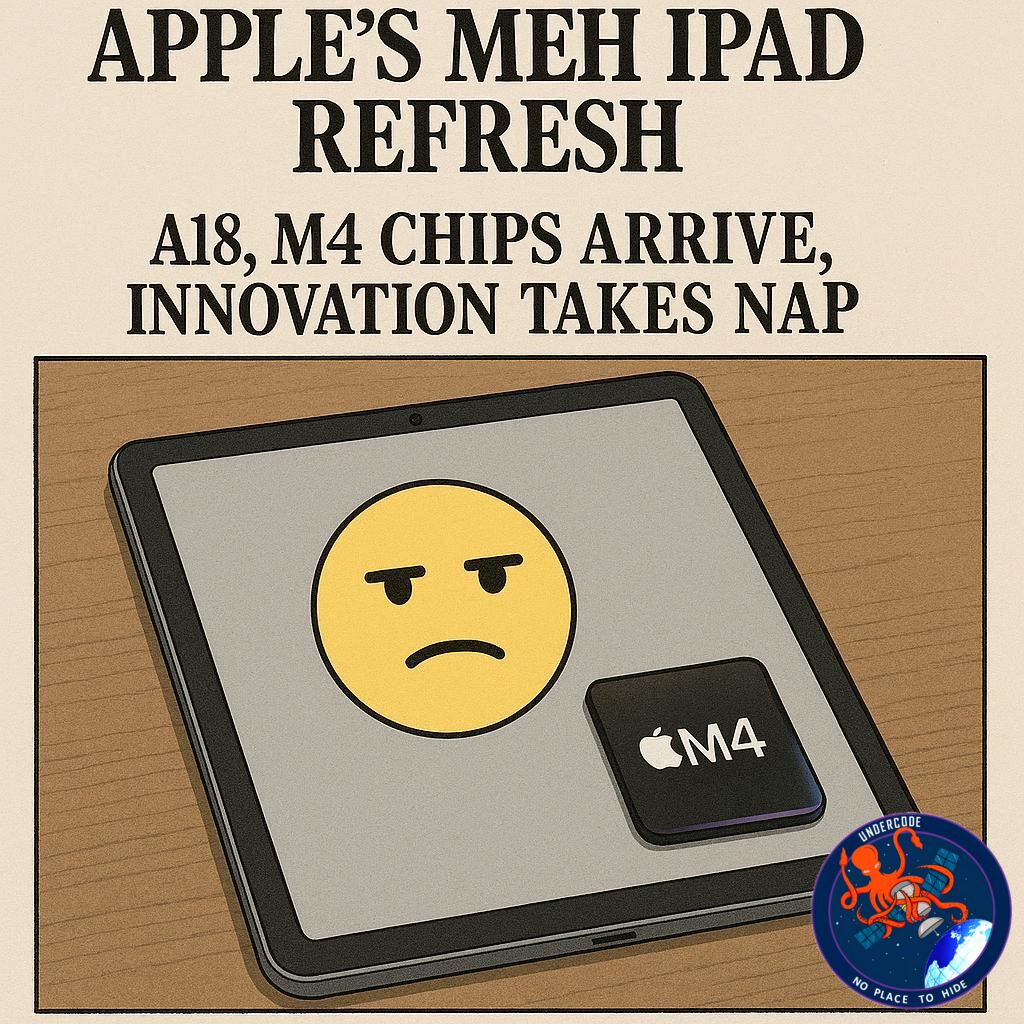
Apple is preparing to kick off the year with two refreshed iPad models: a new entry-level iPad powered by the A18 chip and an updated iPad Air featuring the M4. On paper, new silicon always sounds exciting, especially when Apple is involved. In reality, however, these upcoming iPads feel less like bold steps forward and more like cautious, routine maintenance updates. For users hoping for fresh designs or meaningful new features, this launch may land with more of a shrug than applause.
the Original
Apple’s early-year iPad lineup will include a base iPad upgraded from the A16 to the A18 chip and an iPad Air moving from M3 to M4. According to Bloomberg’s Mark Gurman, these chip upgrades are essentially the entire story. The base iPad’s jump to A18 is notable mainly because it enables Apple Intelligence support for the first time, aligning with Apple’s upcoming AI-focused Siri expected in iOS 26.4.
Beyond performance gains, there are no significant changes. The iPad Air keeps the same design introduced back in 2020, while the base iPad sticks with its 2022 look. No redesigns, no Face ID for iPad Air, no ProMotion display, and no laminated screen for the base model. Rumors also suggest both models will adopt Apple’s N1 connectivity chip, though this is seen as an expected, incremental update rather than a headline feature.
When it comes to buying advice, the article argues most users shouldn’t bother waiting. The M4 chip, while powerful, won’t dramatically change everyday iPad Air usage. The base iPad may be worth waiting for only if Apple Intelligence is a must-have feature. Otherwise, current discounts on existing models — roughly $50 to $110 off, converted to around $50–$110 USD in savings — make buying now the smarter move. Ultimately, the 2026 iPad and iPad Air updates are described as underwhelming, with Apple Intelligence support being the only real standout.
What Undercode Say:
Apple’s Chip Obsession Is Starting to Show Its Limits
Apple’s strategy with these iPads highlights a growing pattern: prioritizing chip upgrades while leaving the overall experience largely untouched. Yes, A18 and M4 are impressive pieces of silicon, but raw performance has not been the bottleneck for iPad users for years. Even the A16 and M3 already handle browsing, streaming, gaming, and creative apps with ease. For most people, the extra power simply sits unused.
Apple Intelligence as a Selling Point — But Not a Game Changer
The base iPad finally supporting Apple Intelligence sounds important, yet its real-world impact remains uncertain. AI-powered Siri features may be useful, but they are unlikely to transform how people use a budget iPad day to day. Apple seems to be positioning AI compatibility as a future-proofing checkbox rather than delivering immediate, must-have functionality.
Design Stagnation Is Becoming Hard to Ignore
The iPad Air keeping a 2020 design in 2026 feels increasingly out of sync with Apple’s premium branding. Features like Face ID, ProMotion, or even slimmer bezels would have gone a long way toward justifying an upgrade. Instead, Apple is asking consumers to get excited about internal changes they can’t see or feel.
Missed Opportunity in Display Technology
The lack of a laminated display on the base iPad remains a glaring omission. This single feature would improve typing, drawing, and general interaction more than another performance bump ever could. Apple’s decision to hold it back continues to reinforce artificial product segmentation.
Pricing and Discounts Tell the Real Story
The existence of sizable discounts on current-generation models sends a subtle message: even Apple knows these updates aren’t compelling enough on their own. Saving $50–$110 USD by buying now offers immediate value that theoretical future performance gains simply don’t match.
Incrementalism vs. Excitement
These iPads feel like placeholders rather than statements. Apple is clearly focusing its innovation narrative elsewhere — likely on AI software and high-end devices — while the mainstream iPad lineup coasts on reliability and brand loyalty.
Fact Checker Results
The chip upgrade claims align with reputable reporting from Bloomberg.
Design continuity statements are consistent with Apple’s existing product timelines.
Discount pricing reflects current market trends and is directionally accurate.
Prediction
Apple will continue this incremental iPad strategy for at least another cycle, reserving major redesigns for a future “reset” year. In the short term, software and AI features will be used to justify hardware stagnation, but growing user fatigue may eventually force Apple to rethink its iPad refresh philosophy.
🕵️📝✔️Let’s dive deep and fact‑check.
References:
Reported By: 9to5mac.com
Extra Source Hub (Possible Sources for article):
https://www.digitaltrends.com
Wikipedia
OpenAi & Undercode AI
Image Source:
Unsplash
Undercode AI DI v2
Bing
🔐JOIN OUR CYBER WORLD [ CVE News • HackMonitor • UndercodeNews ]
📢 Follow UndercodeNews & Stay Tuned:
𝕏 formerly Twitter 🐦 | @ Threads | 🔗 Linkedin | 🦋BlueSky | 🐘Mastodon


