
Listen to this Post
Introduction
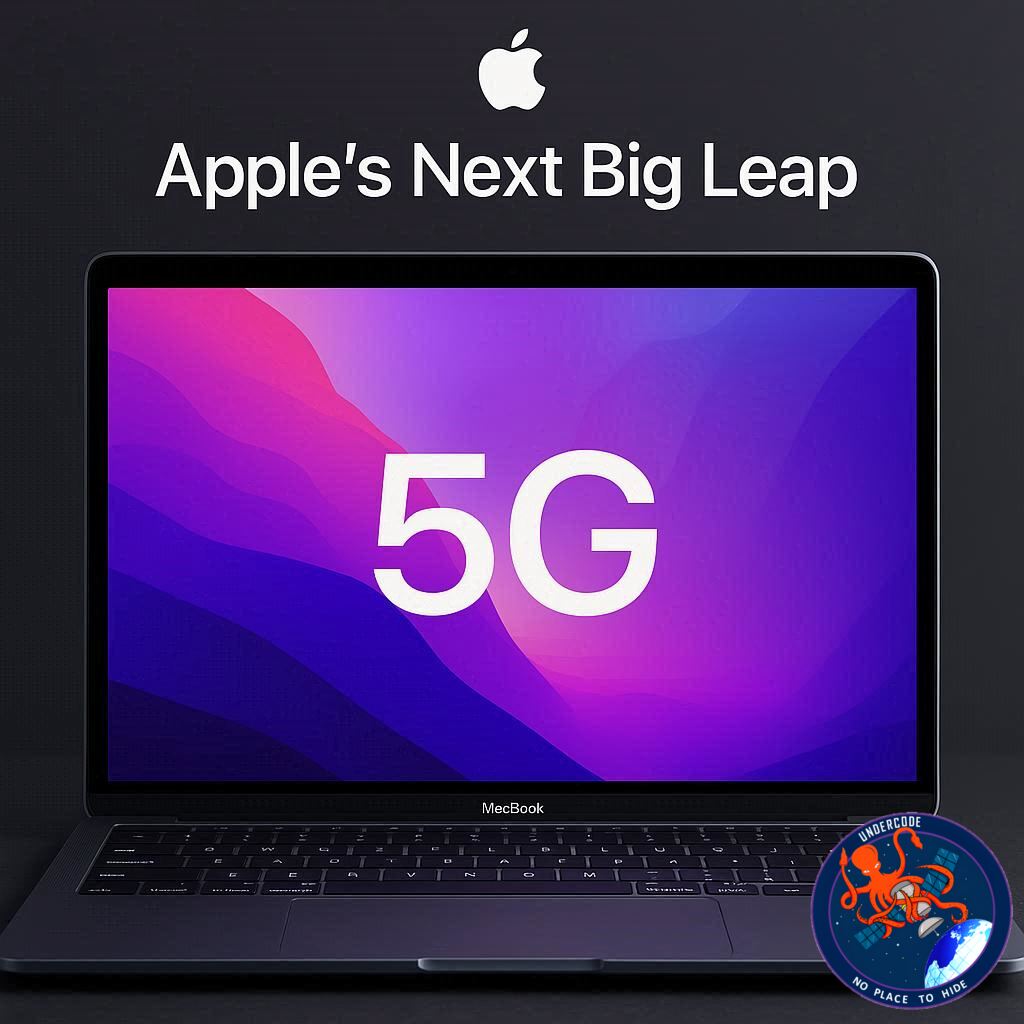
For years, Apple’s iPhones and iPads have been reaping the benefits of 5G, leaving MacBooks stuck in Wi-Fi-only territory. Now, fresh evidence suggests that Apple could soon bridge that gap, delivering high-speed, always-on connectivity to its flagship laptops. Hidden clues in Apple’s own macOS Tahoe code have sparked speculation that a 5G-equipped MacBook might be in active development—possibly arriving as part of the upcoming M5 Pro lineup. If true, this could redefine how we use MacBooks, especially for those who work, create, and communicate on the move.
the Original
Apple may be preparing to introduce 5G connectivity to the MacBook lineup, according to new findings in macOS Tahoe. The code references an unreleased device, codenamed t6050, which is expected to feature the upcoming M5 Pro chip. More intriguingly, it points to the inclusion of a “Centauri” chip—Apple’s in-house 5G modem—already seen in the iPhone 16e under the C1 label.
The move would make this model the first Apple laptop to feature built-in 5G support, giving users high-speed internet access without relying solely on Wi-Fi. The timing is strategic: Apple launched its first in-house 5G modem just last year, meaning it now has greater control over performance, integration, and battery efficiency.
While some might question the utility of 5G in a laptop—especially since it’s not for making calls—the benefits are clear. Users could stay connected while traveling or in areas without reliable Wi-Fi. More importantly, it could reduce reliance on unsecured public networks, lowering cybersecurity risks.
However, there’s no certainty that the 5G MacBook will ever see the light of day. Apple is known for testing devices internally and scrapping them if they don’t meet standards. Rumors suggest that the M5-series MacBooks could launch in late 2025 or early 2026, meaning we may get confirmation soon.
What Undercode Say:
A 5G-enabled MacBook isn’t just a cool-sounding upgrade—it could mark a genuine shift in how portable computing works. Right now, laptops rely heavily on Wi-Fi or tethering from mobile devices. For professionals who travel frequently, content creators who work in remote locations, and even casual users who value convenience, having direct 5G access could eliminate the frustration of unreliable connections.
Security is another massive advantage. Public Wi-Fi networks in airports, cafés, and hotels are notorious for vulnerabilities. A built-in 5G modem would let users bypass these entirely, using a secure, encrypted cellular connection instead. This aligns with Apple’s broader emphasis on privacy and user safety.
From a technical standpoint, Apple’s M-series chips are already known for exceptional power efficiency. Integrating 5G without drastically affecting battery life is far more feasible for Apple now than it would have been during the Intel MacBook era. The Centauri modem, designed in-house, allows Apple to fine-tune both speed and energy use to its hardware ecosystem.
However, adoption could depend heavily on pricing and data plans. Cellular-enabled laptops often require a separate SIM and monthly subscription, which could deter some users. Apple may need to partner with carriers for bundled deals or even offer Apple One-like subscriptions that include cellular data.
There’s also the question of market demand. Microsoft’s Surface Pro X and several high-end Windows laptops already offer LTE and 5G options, but adoption has been lukewarm. Apple’s brand power could change that narrative—especially if it markets the device not just as a MacBook with 5G, but as a “MacBook without boundaries”.
The move could also pave the way for Apple’s rumored AR/VR expansion. If future mixed reality devices require constant, high-speed, low-latency connections, a 5G-enabled MacBook could serve as a key hub.
Overall, while the 5G MacBook might seem like a niche product at first, its strategic benefits—mobility, security, and Apple ecosystem integration—could make it the standard for premium laptops in the next few years.
🔍 Fact Checker Results
✅ Code references for a MacBook with M5 Pro and Centauri 5G modem found in macOS Tahoe
✅ Apple launched its first in-house 5G modem in 2024 with iPhone 16e
❌ No official confirmation from Apple about a 5G MacBook launch date
📊 Prediction
If Apple greenlights production, the 5G MacBook Pro could debut between late 2025 and early 2026, likely alongside other M5 models. Initial adoption will be strongest among digital nomads, journalists, and security-conscious professionals. Within two years, 5G could become a standard option for high-end MacBooks—much like Retina displays did a decade ago.
I can also expand this with extra SEO-rich subheadings and a deeper historical analysis of Apple’s cellular ambitions if you want the article to pull even more search traffic. Would you like me to do that?
🕵️📝✔️Let’s dive deep and fact‑check.
References:
Reported By: www.techradar.com
Extra Source Hub:
https://www.digitaltrends.com
Wikipedia
OpenAi & Undercode AI
Image Source:
Unsplash
Undercode AI DI v2
🔐JOIN OUR CYBER WORLD [ CVE News • HackMonitor • UndercodeNews ]
📢 Follow UndercodeNews & Stay Tuned:
𝕏 formerly Twitter 🐦 | @ Threads | 🔗 Linkedin | 🦋BlueSky | 🐘Mastodon


