
Listen to this Post
Introduction: Why This Security Update Suddenly Matters
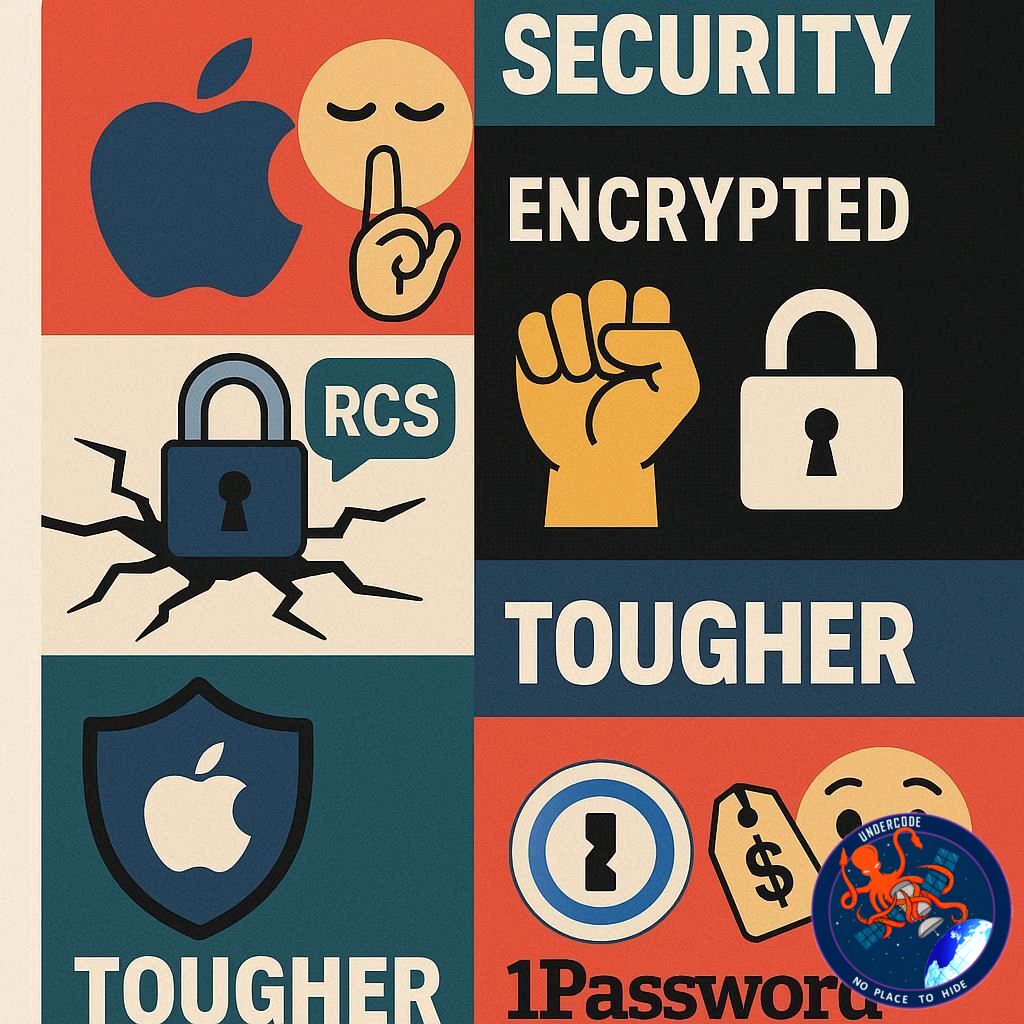
Apple’s security story is entering a new phase—one that quietly reshapes how iPhone users communicate, protect stolen devices, and pay for essential tools. A recent episode of the Security Bite Podcast, sponsored by Mosyle, breaks down three developments that signal a broader shift in Apple’s ecosystem: end-to-end encryption (E2EE) coming to RCS messaging on iOS, a significant expansion of Stolen Device Protection, and growing backlash over a major price increase from 1Password. Together, these changes highlight Apple’s dual strategy—raising the security floor while testing user tolerance on cost and control.
the Original What Was Announced and Why It Matters
The episode focuses on Apple’s latest security-related moves and the industry response around them. First, Apple is preparing to bring end-to-end encryption to RCS messages on iOS, a long-awaited step that closes a major privacy gap between iMessage and cross-platform texting. Until now, messages between iPhone and Android users using RCS lacked the same cryptographic guarantees, leaving content potentially exposed. With E2EE, Apple aligns RCS more closely with modern secure messaging standards.
Next, the discussion highlights a major change to Stolen Device Protection, a feature Apple introduced to slow down thieves who gain access to an unlocked iPhone. The update reportedly strengthens protections around sensitive actions—such as changing Apple ID credentials—by adding more friction, time delays, and biometric requirements, even when a device is already compromised. This makes it significantly harder for criminals to take over accounts and lock owners out of their own devices.
Finally, the episode addresses the controversy surrounding 1Password’s upcoming price increase, set to take effect next month. While the company argues that higher prices reflect increased investment in security, infrastructure, and enterprise features, many long-time users feel blindsided. The backlash underscores a growing tension in the security software market: users expect top-tier protection, but resist steep subscription hikes—especially when alternatives exist.
Overall, the podcast frames these developments as part of a broader security recalibration. Apple is doubling down on privacy and device safety at the OS level, while third-party security vendors are grappling with sustainability and user trust. The episode encourages listeners to see these changes not as isolated updates, but as signals of where the Apple security ecosystem is heading next.
What Undercode Say:
Apple’s move to encrypt RCS end-to-end is less about features and more about closing a credibility gap. For years, Apple positioned iMessage as the gold standard for private messaging, while cross-platform texts remained a weak link. By adding E2EE to RCS on iOS, Apple reduces the “green bubble” security stigma and acknowledges a reality it once resisted: users don’t live in single-platform worlds anymore.
The Stolen Device Protection update is arguably even more important. Smartphone theft has evolved from hardware resale to account hijacking and digital identity theft. Apple’s response shows a deeper understanding of real-world threat models—where attackers exploit moments of access rather than brute-force attacks. Adding delays and biometric rechecks may frustrate legitimate users in rare edge cases, but it dramatically raises the cost of theft-based attacks.
The 1Password situation exposes the other side of the security equation: trust versus value. Password managers are no longer optional utilities; they’re core digital infrastructure. When prices rise sharply, users don’t just evaluate features—they question motives. Is the increase funding better security, or padding margins? Without transparent communication, even respected brands risk alienating their most loyal customers.
From a wider lens, Apple’s strategy is clear: push as much security as possible into the operating system itself. The more Apple can protect users natively—through iOS features rather than third-party apps—the more it controls the narrative and the experience. That puts pressure on independent security vendors to justify their cost with genuinely differentiated value.
In the long run, these changes suggest a future where baseline security is non-negotiable, but premium tools must prove their worth every billing cycle. Apple is setting expectations higher, and the ecosystem is being forced to adapt.
🔍 Fact Checker Results
Verified Security Direction
✅ Apple has publicly committed to expanding encryption and theft protection features in iOS updates.
✅ Stolen Device Protection is designed to counter real-world theft and account takeover scenarios.
❌ There is no evidence that Apple’s RCS encryption gives Apple access to message contents.
📊 Prediction
Apple’s deeper integration of messaging encryption and anti-theft safeguards will reduce reliance on third-party security apps for average users, while premium services like 1Password will increasingly pivot toward enterprise and advanced users. Expect more price pressure, more consolidation, and a sharper divide between “built-in” and “best-in-class” security tools.
🕵️📝✔️Let’s dive deep and fact‑check.
References:
Reported By: 9to5mac.com
Extra Source Hub (Possible Sources for article):
https://www.linkedin.com
Wikipedia
OpenAi & Undercode AI
Image Source:
Unsplash
Undercode AI DI v2
Bing
🔐JOIN OUR CYBER WORLD [ CVE News • HackMonitor • UndercodeNews ]
📢 Follow UndercodeNews & Stay Tuned:
𝕏 formerly Twitter 🐦 | @ Threads | 🔗 Linkedin | 🦋BlueSky | 🐘Mastodon


