
Listen to this Post
Introduction
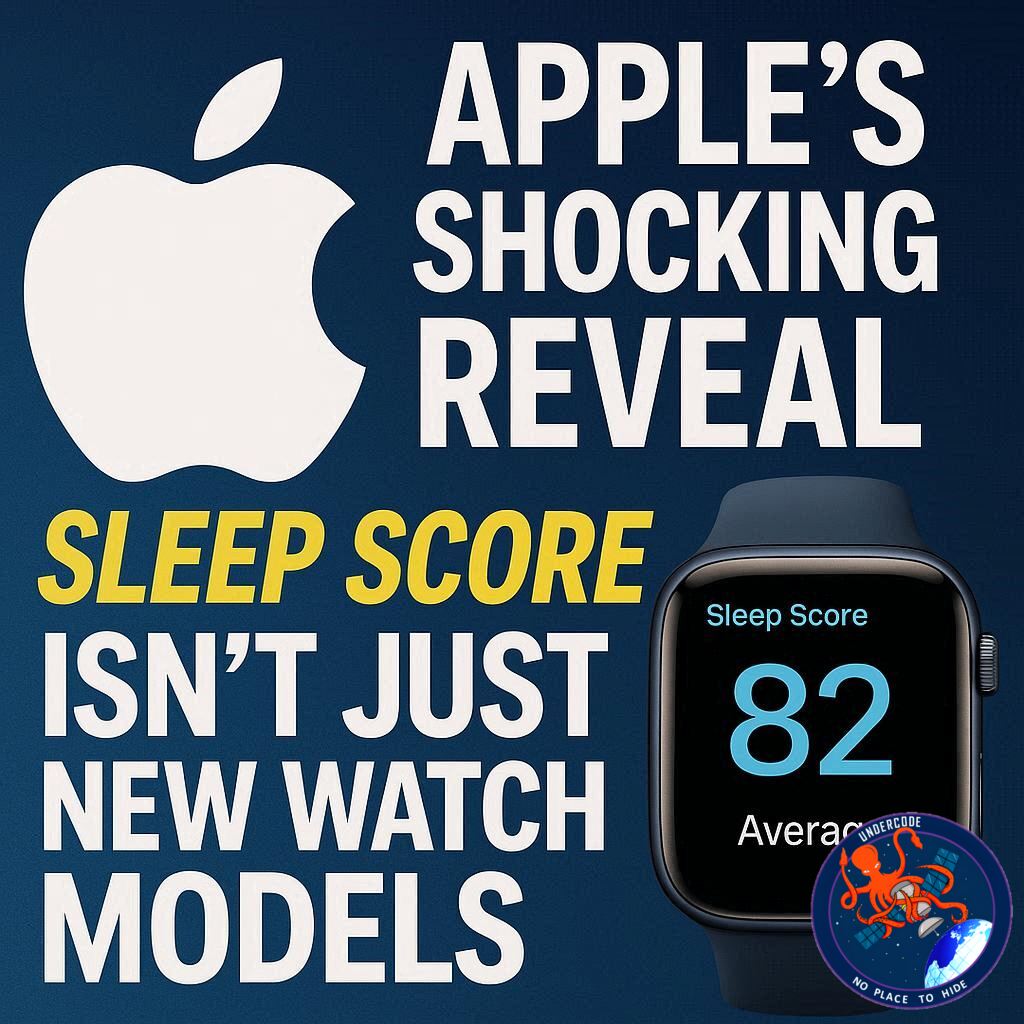
Apple’s “Awe Dropping” event left millions buzzing with excitement, and one feature that stole the spotlight was the Sleep Score. Many assumed it would be locked to the flashy new Apple Watch Series 11 and Ultra 3, but Apple has quietly confirmed a surprise that changes everything. This revolutionary sleep-tracking tool will reach far more wrists than expected, giving even older Apple Watch users access to advanced sleep health insights.
Sleep Score: A Deeper Look
The Sleep Score isn’t just another stat—it’s an advanced health metric that evaluates your sleep across multiple dimensions:
Sleep duration and bedtime consistency.
How often you wake up during the night.
Time spent in different sleep stages (deep, core, REM).
After gathering this data, Apple breaks it down into easy-to-read categories, comparing your nightly performance to your personal averages. The result is a personalized sleep profile, helping you pinpoint weaknesses and optimize rest for better health.
Apple says the feature is backed by science, drawing insights from over 5 million nights of sleep data collected through the Apple Heart and Movement Study. Guidance also comes from top organizations like the American Academy of Sleep Medicine, the National Sleep Foundation, and the World Sleep Society.
Compatibility: Not Just for the New Watches
Apple confirmed that Sleep Score will be available through watchOS 26 on:
Apple Watch Series 6 or later
Apple Watch SE (2nd generation) or later
All Apple Watch Ultra models
To activate the feature, you’ll need an iPhone 11 or newer running iOS 26. In short, if your Apple Watch supports watchOS 26, you’re in luck. However, older watch owners should be mindful of battery management, since overnight tracking can drain power faster.
What Undercode Say:
The Sleep Score rollout strategy reveals a lot about Apple’s long-term vision. Let’s break it down analytically:
Expanding Ecosystem Loyalty
Apple’s choice to make Sleep Score available beyond the newest models shows a deliberate attempt to keep older device users engaged. This isn’t generosity—it’s strategy. By giving useful features to past generations, Apple strengthens ecosystem loyalty, making it harder for users to switch to competitors like Fitbit, Samsung, or Garmin.
Health as the New Battleground
Apple has been steadily moving into health and wellness as its biggest differentiator. The Sleep Score aligns with existing initiatives like ECG, blood oxygen monitoring, and heart rate alerts. This positions the Apple Watch not just as a tech gadget but as a personal health companion.
Data-Driven Dominance
With over 5 million nights of study data, Apple is leveraging one of its strongest weapons: scale. The more users track their health, the more Apple can refine algorithms, improve predictions, and eventually link insights into larger health services. Expect deeper integrations with Apple Health+, future AI-driven coaching, and possibly insurance partnerships.
Battery Life as a Pain Point
While Apple delivers features, battery life still lags. Continuous overnight use means many users must rethink charging schedules. Competitors like Fitbit often boast multi-day battery life, giving them an edge in convenience. Apple’s gamble is that superior data and ecosystem benefits will outweigh this limitation.
Psychological Marketing
The Sleep Score gamifies health. By assigning a grade to sleep, Apple taps into human psychology—people naturally want to improve their “score.” This creates a cycle where users engage daily, building a habit that strengthens dependence on the Apple Watch.
Future Monetization
Don’t be surprised if Sleep Score becomes the stepping stone toward premium sleep coaching services inside Apple Fitness+ or Health+. Imagine AI-guided recommendations, personalized tips, or even sleep-based fitness challenges. Apple is planting seeds for subscription revenue streams.
Competitive Edge
Samsung Galaxy Watch and Fitbit already offer similar sleep scoring, but Apple’s rollout is about integration and trust. Tying the feature to official medical guidance and emphasizing massive data samples helps Apple position itself as the more “scientifically credible” option.
Wider Impact
By making the feature available to older devices, Apple creates a massive user base overnight. This means more data, more engagement, and more influence in shaping how society views wearable health tracking. Essentially, Apple is building not just a feature but a global sleep-health platform.
✅ Fact Checker Results
Apple confirmed Sleep Score is available on older models with watchOS 26.
The feature is based on scientific data and medical partnerships.
Users will need iPhone 11 or newer to use it.
🔮 Prediction
Apple’s Sleep Score is just the beginning. Expect Apple to expand into AI-powered sleep coaching, personalized wellness plans, and maybe even insurance incentives for healthy sleep scores. Within a few years, sleep tracking could evolve from a convenience into a core element of Apple’s health empire.
🕵️📝✔️Let’s dive deep and fact‑check.
References:
Reported By: 9to5mac.com
Extra Source Hub:
https://www.stackexchange.com
Wikipedia
OpenAi & Undercode AI
Image Source:
Unsplash
Undercode AI DI v2
🔐JOIN OUR CYBER WORLD [ CVE News • HackMonitor • UndercodeNews ]
📢 Follow UndercodeNews & Stay Tuned:
𝕏 formerly Twitter 🐦 | @ Threads | 🔗 Linkedin | 🦋BlueSky | 🐘Mastodon


