
Listen to this Post
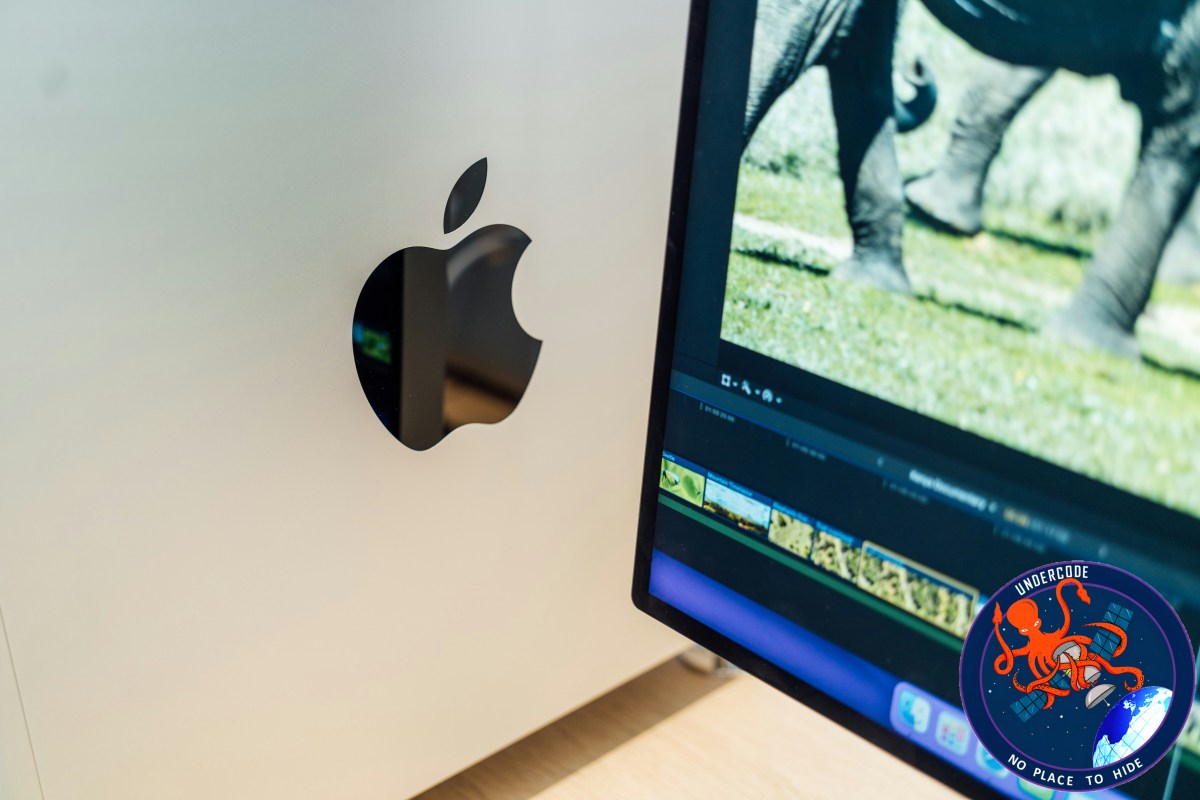
Apple may be gearing up to revolutionize its professional monitor lineup with a rumored Studio Display 2 featuring mini-LED technology. Expected in early 2026, this next-generation monitor could deliver deeper blacks, brighter highlights, and improved contrast—features that creative professionals crave. While the original Studio Display impressed with its sleek design and sharp visuals, its HDR performance has lagged behind top-tier monitors, leaving room for a serious upgrade.
Original Summary
Rumors suggest Apple is developing a mini-LED version of its Studio Display, potentially called J427, which was recently spotted in Apple’s software code. Another codename, J527, may represent a higher-end variant or a Pro Display XDR alternative, though sources like Bloomberg’s Mark Gurman indicate a Pro Display XDR successor is not a current priority.
Apple has already incorporated mini-LED technology in MacBook Pro screens via Liquid Retina XDR displays, which offer local dimming zones for high contrast and brightness. The Studio Display 2 is expected to adopt similar tech, addressing one of the original monitor’s weaknesses: limited HDR performance. This upgrade could deliver richer blacks, brighter whites, and better contrast, making it a more attractive option for creative professionals.
While OLED is often seen as superior in contrast and color depth, mini-LED holds its ground with higher peak brightness and better performance in brightly lit environments. The current Studio Display is limited to 60Hz refresh rates, which may not meet the needs of all creative users. A potential increase in refresh rate for the Studio Display 2 could make it more competitive with other high-end monitors on the market.
Despite these leaks, Apple has yet to confirm any specifications, and the release timeline aligns with rumors of M5 and M6 MacBook Pro models arriving in 2026. For Apple fans, the coming year could bring a significant upgrade to their desktop workflow with this new display.
What Undercode Say: The Impact of Mini-LED on Creative Work
Mini-LED is an interesting choice for Apple’s next professional monitor, especially when contrasted with OLED technology. While OLED delivers perfect blacks and exceptional color accuracy, it struggles with peak brightness, which can be a limitation in sunlit studios or color-critical workflows that rely on HDR content. Mini-LED, on the other hand, provides a sweet spot: it offers near-OLED-level black depth but excels in maximum brightness, making it highly suitable for professional design, video editing, and photography.
The codename findings (J427 and J527) indicate Apple may offer tiered options, catering to both standard creative professionals and high-end users who want slightly upgraded features without stepping up to a full Pro Display XDR. This strategy mirrors Apple’s approach in the MacBook line, where multiple configurations address diverse user needs and budgets.
Another factor is refresh rate. Currently, the Studio Display caps at 60Hz, which is limiting for animation, gaming, and video editing workflows. A higher refresh rate in the Studio Display 2 would align the monitor with modern standards, giving it a competitive edge over similar-priced OLED displays.
Apple’s mini-LED approach also allows for better energy efficiency compared to OLED panels, a practical consideration for studio setups that run monitors for extended periods. Furthermore, the potential combination of mini-LED with advanced color calibration could make the Studio Display 2 a must-have for Mac users who demand accuracy without sacrificing brightness.
While some may see this as incremental rather than revolutionary, it’s a smart evolution of a product already beloved for its design and ecosystem integration. Creatives using Macs will likely appreciate a display that balances color fidelity, contrast, and brightness better than its predecessor.
🔍 Fact Checker Results
✅ Codename J427 spotted in Apple software code.
✅ Mini-LED previously used in MacBook Pro Liquid Retina XDR displays.
❌ No official confirmation from Apple yet; all information remains speculative.
📊 Prediction
Apple’s Studio Display 2 could become the new benchmark for professional monitors in early 2026, particularly for creatives working with HDR content. Mini-LED’s combination of brightness, contrast, and efficiency may allow Apple to reclaim dominance in the professional display market without fully committing to OLED, keeping costs reasonable while delivering high performance.
Expect multiple configurations, including higher refresh rate options and slightly different feature sets, giving users flexibility while maintaining Apple’s reputation for premium design and ecosystem integration. With this launch coinciding with M5 and M6 MacBook Pros, 2026 might finally be the year Apple delivers a cohesive, high-performance creative suite.
If you want, I can also create a comparison chart showing mini-LED vs OLED for professional monitors, which would make this article even more appealing and data-driven. Do you want me to do that?
🕵️📝✔️Let’s dive deep and fact‑check.
References:
Reported By: www.techradar.com
Extra Source Hub:
https://www.medium.com
Wikipedia
OpenAi & Undercode AI
Image Source:
Unsplash
Undercode AI DI v2
🔐JOIN OUR CYBER WORLD [ CVE News • HackMonitor • UndercodeNews ]
📢 Follow UndercodeNews & Stay Tuned:
𝕏 formerly Twitter 🐦 | @ Threads | 🔗 Linkedin | 🦋BlueSky | 🐘Mastodon


