
Listen to this Post
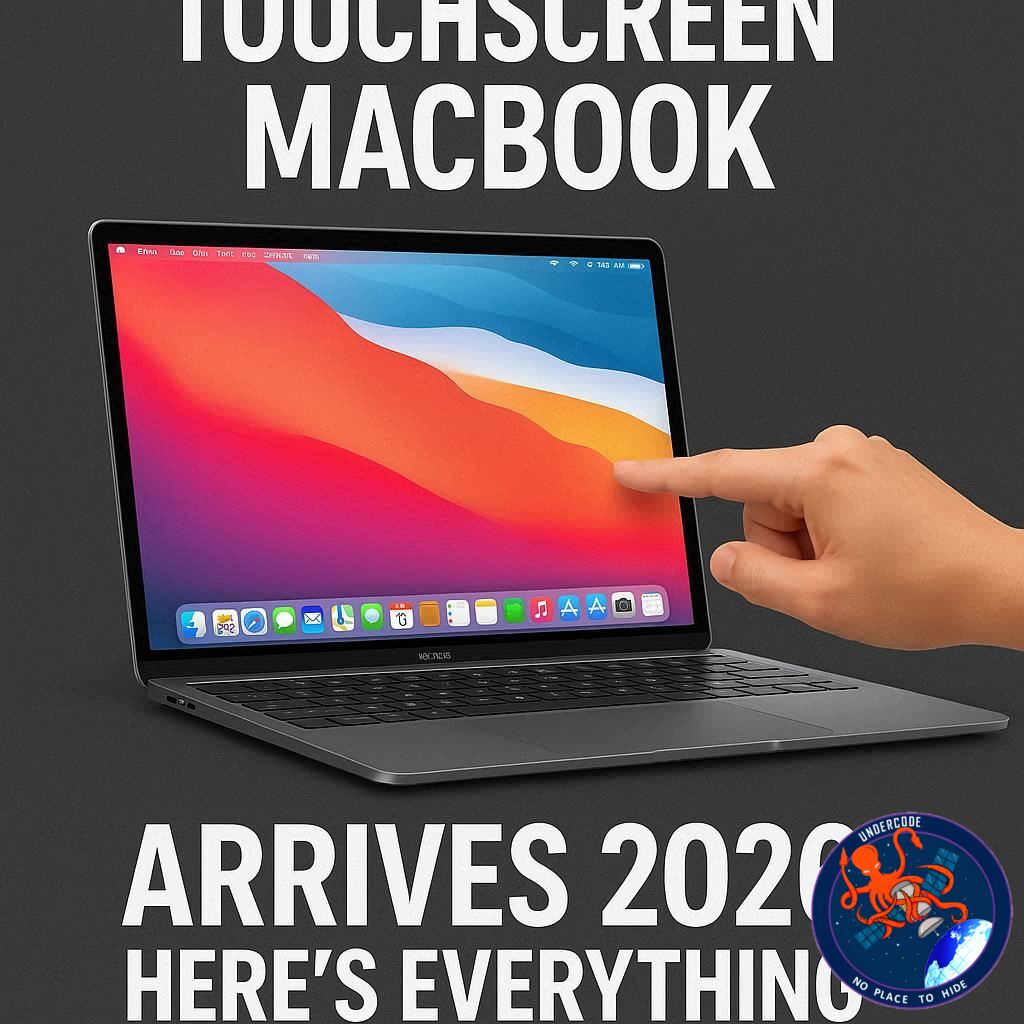
Apple fans may finally get the touchscreen MacBook they’ve been dreaming about. For years, rumors have swirled about a touch-enabled MacBook Pro, and now it seems the wait might be almost over. Analysts suggest Apple is actively preparing to release a MacBook Pro with a touchscreen and OLED display by late 2026, signaling a bold shift in how the company views laptop usability. While iPads will continue to serve as the company’s touch-first devices, this upcoming MacBook could redefine productivity for users who crave the combination of desktop power and touch functionality.
What We Know About the Touchscreen MacBook
Apple has historically resisted adding touchscreens to its MacBook lineup, citing poor compatibility with desktop software and advocating for the iPad as the touch-first alternative. But in 2023, Bloomberg reported that Apple was actively developing a touch-enabled MacBook, originally targeting a 2025 release. That timeline now appears to have shifted to late 2026.
Renowned analyst Ming-Chi Kuo recently confirmed via X (formerly Twitter) that Apple is preparing MacBook Pro models with a touch panel. Kuo explained that Apple’s decision is influenced by long-term observations of iPad users, suggesting that touch input can enhance productivity and overall user experience in certain scenarios. The new MacBook Pro will reportedly use on-cell touch technology, potentially combining high-resolution displays with a responsive touchscreen experience.
Apple also plans to release a more affordable MacBook powered by an iPhone processor, potentially featuring 5G connectivity. However, Kuo notes that this lower-cost variant will not include a touch panel, keeping touchscreens reserved for higher-end models.
The iPad Factor
For over a decade, Apple has positioned the iPad as the ideal touch device, arguing that traditional laptops are better suited for trackpad, keyboard, and mouse input. Tom Boger, Apple’s VP of iPad and Mac marketing, has emphasized that MacBooks and iPads are designed for different use cases. The iPad is a “touch-first device,” while the MacBook has traditionally prioritized desktop workflows.
However, Windows laptops with touchscreen capabilities—such as the Honor MagicBook Art 14—have proven that users can enjoy a hybrid experience. Still, touch input is often underutilized, limited to occasional gestures rather than core functionality. Historically, devices like the Microsoft Surface Pro have struggled to make touch input central to the desktop experience, largely because most desktop software isn’t designed for touch.
Blurring the Lines Between MacBook and iPad
A touchscreen MacBook could potentially face the same challenge. Desktop software may not fully benefit from touch input unless Apple introduces a seamless way to transition between macOS applications and mobile-equivalent apps. That said, iPadOS 26 has already blurred the line between iPads and laptops, offering multitasking enhancements that dramatically improve productivity for touch-first workflows.
Even so, a touch-enabled MacBook will differentiate itself with performance advantages, better port selection, and the ability to run full desktop applications. In contrast, the iPad remains a mobile-first experience with Face ID, 5G, and apps optimized for touch. By 2026, users may have to decide whether they prefer a hybrid MacBook for professional desktop work or a supercharged iPad for mobility and touch-based productivity.
What Undercode Say:
Apple’s move to integrate touchscreens into MacBooks reflects a broader strategy to bridge the gap between mobile and desktop computing. The company seems to be testing whether touch input can genuinely enhance the productivity of Mac users, rather than simply copying Windows trends. From a technical standpoint, on-cell touch OLED displays could provide vibrant visuals and responsive touch functionality, but the real question is software compatibility.
Most desktop applications are not designed with touch-first interaction in mind. Unless Apple introduces a framework to allow smooth interaction between touch gestures and traditional apps, the touchscreen MacBook could end up being more novelty than necessity for many users. This contrasts sharply with the iPad, where touch gestures are deeply integrated into both the OS and the app ecosystem.
Additionally, Apple appears to be segmenting its product lineup carefully. The high-end MacBook Pro will receive touch capability, while the more affordable iPhone-chip MacBook will not, likely to preserve performance margins and differentiate product tiers. This strategic decision ensures that Apple can experiment with touch without compromising the accessibility of its entry-level devices.
Finally, the development of a touchscreen MacBook signals a subtle shift in Apple’s philosophy. The company has long avoided touchscreen laptops to protect the iPad ecosystem, but the upcoming model may indicate a more integrated approach to hybrid productivity devices. By combining desktop-class hardware with select touch features, Apple may redefine the concept of a professional laptop in the next generation.
🔍 Fact Checker Results
✅ Analyst Ming-Chi Kuo confirmed Apple is developing a touchscreen MacBook Pro.
✅ On-cell touch OLED display technology is expected in the 2026 model.
❌ The lower-cost iPhone-chip MacBook will not include touchscreen functionality.
📊 Prediction
By late 2026, Apple’s touchscreen MacBook Pro could attract creative professionals and power users who value hybrid input options. However, mainstream adoption will depend heavily on macOS evolving to support intuitive touch interactions. While touch might remain underutilized for traditional office workflows, specialized applications—digital art, music production, or multimedia editing—could see significant productivity gains. Over time, this device could redefine the MacBook as a bridge between desktop performance and mobile flexibility, nudging iPads to focus more on portability and casual productivity.
If you want, I can also create a visual comparison chart between the touchscreen MacBook Pro, iPadOS 26 iPads, and current Windows touchscreen laptops to make this article even more engaging. Do you want me to do that?
🕵️📝✔️Let’s dive deep and fact‑check.
References:
Reported By: www.zdnet.com
Extra Source Hub:
https://www.quora.com
Wikipedia
OpenAi & Undercode AI
Image Source:
Unsplash
Undercode AI DI v2
🔐JOIN OUR CYBER WORLD [ CVE News • HackMonitor • UndercodeNews ]
📢 Follow UndercodeNews & Stay Tuned:
𝕏 formerly Twitter 🐦 | @ Threads | 🔗 Linkedin | 🦋BlueSky | 🐘Mastodon


